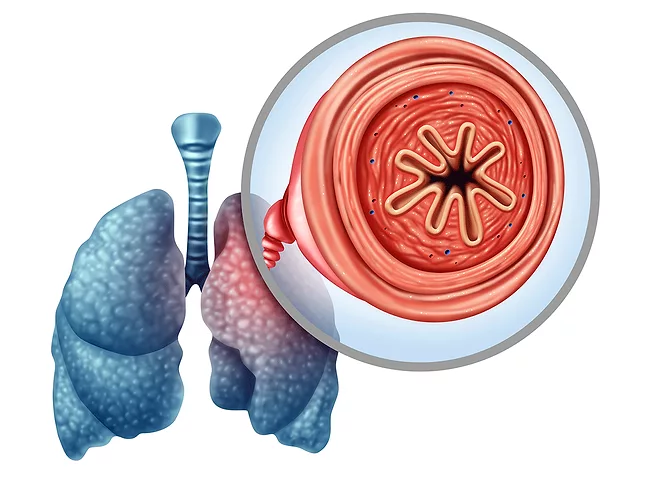
Cryofocus Medtech (Shanghai) Co. Ltd. received U.S. FDA breakthrough device designation on July 24 for its cryoablation system for asthma. The Chinese med-tech’s stock (HKEX:6922) rose near 20% over two consecutive days on the Hong Kong Stock Exchange with the news, increasing from HK$5.00 ($.64) July 23 to HK$5.98 nearing the close of trading on July 25.
Following up on the $175 million it raised in September 2023, Avalyn Pharma Inc. secured an additional $100 million in an oversubscribed series D financing round to support development of its inhaled treatments for pulmonary fibrosis.
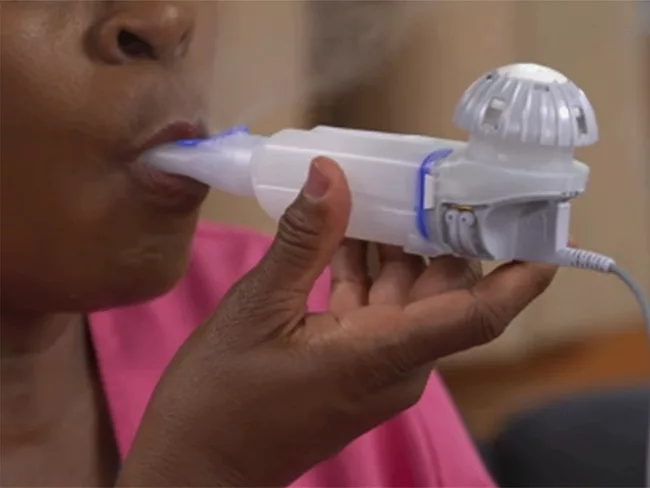
Synchrony Medical Ltd. received the greenlight from the U.S. FDA for its Libairty airway clearance system which is expected to transform the lives of people with chronic lung diseases. The company is now looking to raise $5 million in series A funding to support the launch of the product in the U.S. later this year.
The U.S. Centers for Medicare & Medicaid Services finalized a coverage policy for at-home ventilation for patients with chronic respiratory failure. The amended policy also establishes a series of criteria for coverage of ventilation for chronic obstructive pulmonary disease.
Lex Diagnostics Ltd. has submitted dual applications to the U.S. FDA seeking 510(k) clearance and CLIA waiver status for its Velo system, an ultra-fast point-of-care molecular diagnostics platform. The move comes after the recent news from Quidelortho Corp. that it intends to acquire Lex for $100 million following U.S. regulatory approval of the technology.
Galvanize Therapeutics Inc.’s Aliya pulsed electrical field system could enable surgeons to perform a biopsy and ablate lung tumors at the same time, a study in the Journal of Surgical Oncology indicates.
A large-scale study has revealed the impact of germline variants on proteins in 10 cancer types. Scientists from the National Cancer Institute’s Clinical Proteomic Tumor Analysis Consortium (CPTAC) conducted a precision proteogenomic analysis in a pan-cancer study with data from 1,064 patients, identifying tumor heterogeneity and tumorigenesis associated with heritable genetic alterations.
If U.S. sectoral tariffs on biopharmaceuticals become a reality and most country-by-country tariffs on other medical products resume, manufacturers may have to rethink their use of U.S. free trade zones to turn foreign-sourced active pharmaceutical ingredients and other components into finished products for the U.S. market.
Researchers have developed a new compound that can prevent long COVID symptoms in mice that could lead to a future drug for the debilitating condition in humans. Developed by researchers at the Walter and Eliza Hall Institute of Medical Research (WEHI) in Melbourne, the world-first study found mice treated with the antiviral compound were protected from long-term brain and lung dysfunction, which are key symptoms of long COVID.
The EU’s Medical Devices Coordination Group (MDCG) issued another revision of its guidance for risk classification for in vitro diagnostics — the fourth such rewrite of a guidance that came out in 2020.
 RSS
RSS