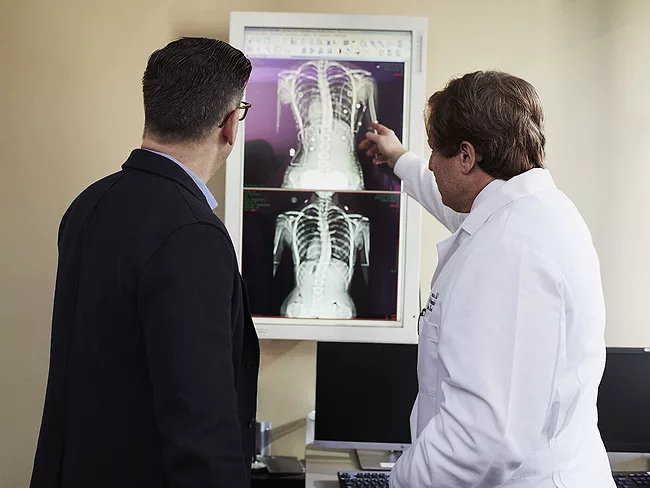
Qure.ai Technologies Private Ltd.’s Qxr artificial intelligence-powered chest X-ray interpretation system identified high-risk pulmonary nodules an average of 32 months before physicians diagnosed lung cancer, a study presented September 8 at the International Association for the Study of Lung Cancer 2024 World Conference on Lung Cancer in San Diego found.
The U.S. FDA caught up with four makers of CPAP cleaning machines in the form of warning letters advising the manufacturers that the claims made for their systems fall under the definition of a regulated medical device. In two of these warning letters, the FDA said it had been in touch with the manufacturer for at least two years, indicating that the agency has been steadily working on enforcement activities in this space for some time.
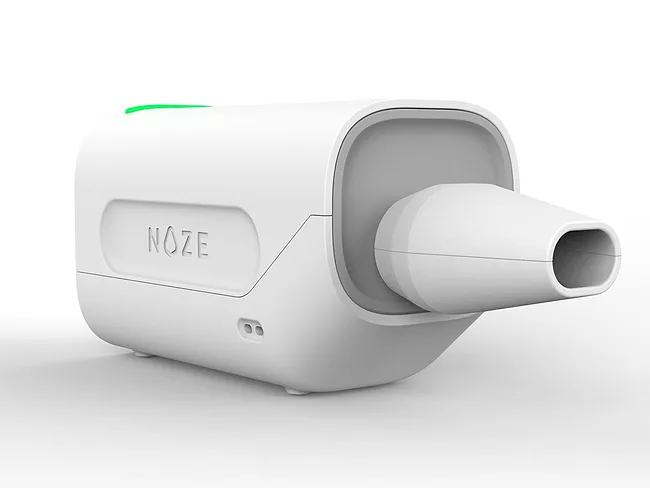
Noze Inc. breathes a little easier with a new $5 million equity investment from the Bill & Melinda Gates Foundation to support the development of Diagnoze, a breath-based, hand-held diagnostic device. The foundation provided two earlier grants focused on diagnosing tuberculosis in low- and middle-income countries. “We're thrilled to see our partnership with the Bill & Melinda Gates Foundation continue to grow,” Noze CEO Karim Aly told BioWorld.
Owens & Minor Inc. plans to acquire Rotech Healthcare Holdings Inc. in a $1.36 billion cash transaction expected to close by year end. The deal shows serious commitment to a strategy outlined in December to build out its home health business.
The U.S. FTC’s campaign against the Orange Book listing of patents claiming device components gained momentum when a federal judge in New Jersey ordered Teva Pharmaceuticals USA Inc. to delist five device patents pertaining to its Proair HFA (albuterol sulfate) inhaler.
London, Ontario-based Deep Breathe Inc. filed for protection of a wearable ultrasound sensor that is used to obtain ultrasound data, and digital ultrasound images are processed using a machine learning model to predict the probability of lung sliding and detection of pneumothorax (collapsed lung) if lung sliding is absent or deem it likely if lung sliding is present.
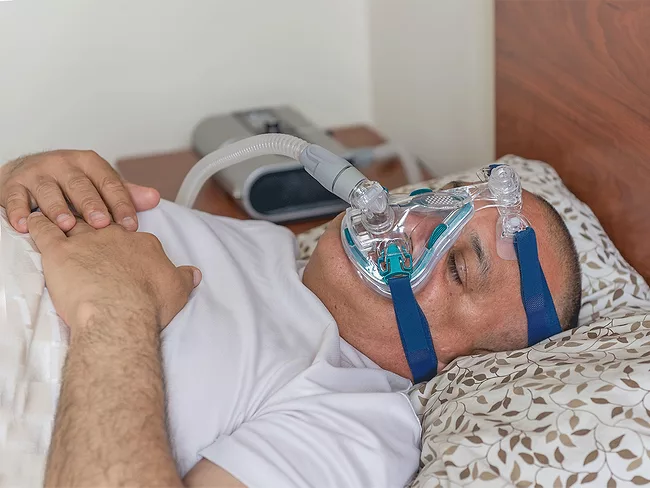
Researchers from the University of Chicago and Northwestern University have filed for protection of an mobile application to track individualized patient needs, engagement in continuous positive airway pressure machine use, and the correlation of risk behaviors to determine sleep apnea treatment progress.
Edwards Lifesciences Corp. is selling its critical care product group to Becton Dickison and Co. (BD) for $4.2 billion in cash, forgoing its previously announced plans to spin off the unit into a separate business. The transaction is expected to close before the end of the calendar year.
A pair of co-published filings from Naples, Fla.-based Aerwave Medical Inc. describe apparatus and ultrasound-based methods for bronchial denervation, ablating smooth muscle or goblet cells, and emphysematous tissue remodeling in the treatment of respiratory conditions such as asthma and chronic obstructive pulmonary disease.
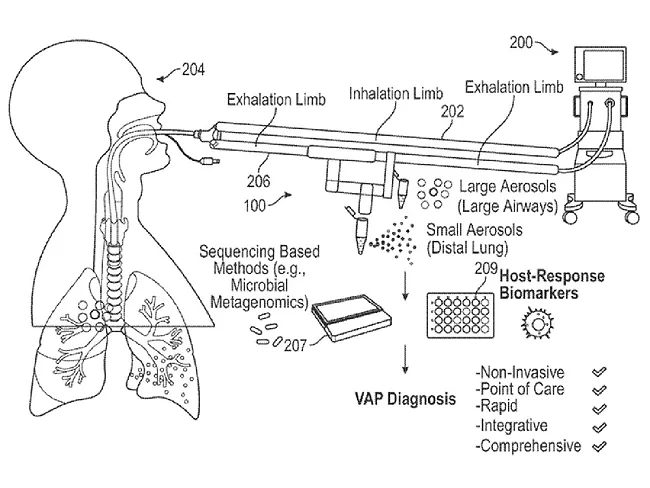
Researchers from the University of Pittsburgh have developed a device designed to collect exhaled respiratory aerosols from mechanically ventilated patients. Their device is designed to be non-invasive, highly efficient and can be readily placed in the exhalation line of ventilators without interfering in the functions of the ventilator.
 RSS
RSS