Securing a second major partnership with Sanofi SA – this time worth a potential $2.56 billion – Earendil Labs will provide its AI-driven discovery platform to find new therapeutics for autoimmune and inflammatory diseases.
Shanghai Henlius Biotech Inc. has announced acceptance of IND applications by China’s National Medical Products Administration (NMPA) for three differentiated candidates for the treatment of solid tumors.
Hanx Biopharmaceuticals (Wuhan) Co., Ltd. raised HK$586 million (US$75.37 million) in its IPO on the Hong Kong Securities Exchange (HKEX:3378) on Dec. 23 to advance its clinical stage immuno-oncology pipeline.
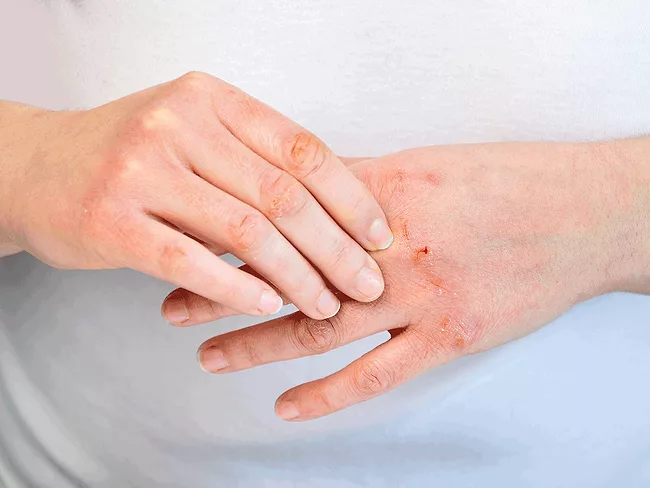
The strategy of taking aim at IL-4Ra (type I and II receptors) and IL-31 by way of a bispecific antibody in atopic dermatitis (AD) has not worked out as well as Johnson & Johnson (J&J) hoped when, last May, the firm paid $1.25 billion to bring the product aboard by acquiring Yellow Jersey Therapeutics, a wholly owned subsidiary of Numab Therapeutics AG.
Hanx Biopharmaceuticals (Wuhan) Co., Ltd. raised HK$586 million (US$75.37 million) in its IPO on the Hong Kong Securities Exchange (HKEX:3378) on Dec. 23 to advance its clinical stage immuno-oncology pipeline.
Speed and innovation from Asia Pacific’s (APAC) biotechnology sector had big pharma scouring the region for the next oncology heir to Keytruda (pembrolizumab), Merck & Co. Inc.’s reigning blockbuster cancer drug.
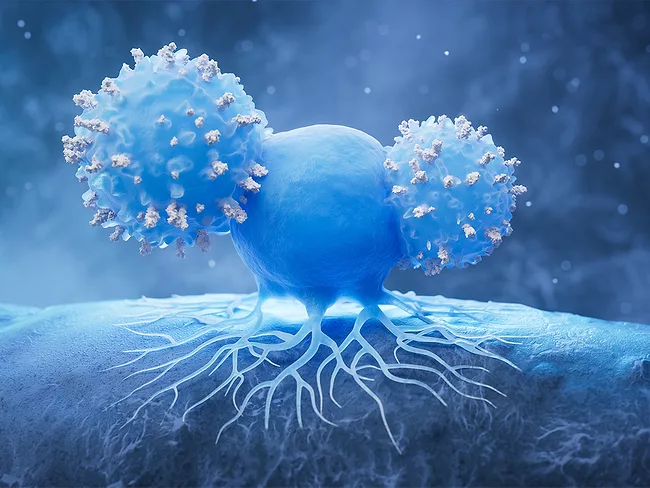
Crossbow Therapeutics Inc. has provided details on the preclinical characterization for the telomerase reverse transcriptase (TERT)-targeting T-cell engager CBX-663.
Disco Pharmaceuticals GmbH announced the final close of its seed round at €36 million (US$42 million), as it shapes up novel targets it has discovered with its surfaceome platform technology for formal preclinical development.
Disco Pharmaceuticals GmbH announced the final close of its seed round at €36 million (US$42 million), as it shapes up novel targets it has discovered with its surfaceome platform technology for formal preclinical development.

 RSS
RSS