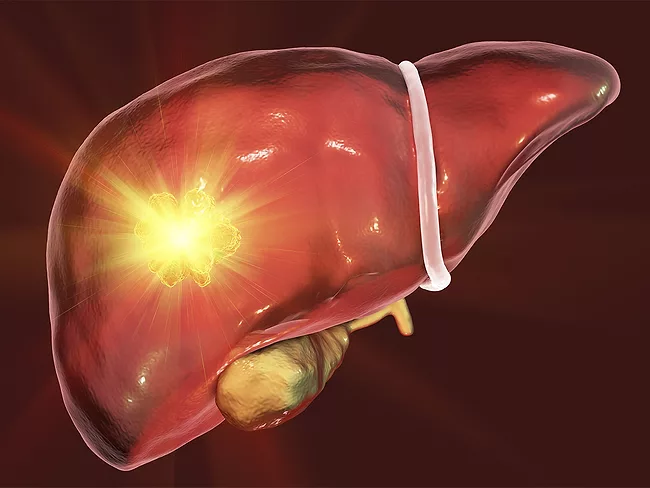
Lion TCR Pte. Ltd. raised $40 million in series B funding that will see the company advance its clinical trial program for its hepatitis B virus (HBV)-specific T-cell receptor (TCR) cell therapy for HBV-related liver cancer.
Two years after a U.S. FDA advisory committee agreed that Celltrans Inc.’s pancreatic islet cellular therapy had a favorable risk-benefit profile, the agency has finally approved Lantidra (donislecel) for treating adults with type 1 diabetes.
Regulatory T-cell specialist Quell Therapeutics Ltd. has sealed a potential $2 billion agreement under which Astrazeneca plc is taking rights to two autologous Treg cell therapies for treating inflammatory bowel disease (IBD) and type 1 diabetes. Quell will receive $85 million up front, the majority of which is in cash, with a modest (undisclosed) equity investment. Reaching the $2 billion headline figure will involve a series of development and commercial milestones and royalties on sales.
For Jeff Galvin, the CEO and founder of newly launched Addimmune Inc., HIV is not a condition that’s in the rearview mirror. It needs a functional cure to save lives, make people healthier and save money that need not have been spent. People wonder why it’s worth bothering to cure HIV, Galvin told BioWorld, when they are taking their medications every day and they are feeling pretty close to normal. But it’s not close for Galvin, who noted that there are side effects from taking the pills that can cause headaches, fatigue, nausea and diarrhea.
Medigene AG has announced its pipeline expansion into neoantigens with KRAS as the first target in its MDG-10xx program, a T-cell receptor engineered T cell (TCR-T) therapy being developed in combination with the company's PD1-41BB switch receptor technology.
The targeted delivery of optimized stem cells directly into injured tissues has been used to maximize efficacy and minimize systemic exposure. Still, despite hundreds of clinical trials evaluating mesenchymal stem cell (MSC) therapy as a treatment, clinical efficacy remains highly variable. Investigators at Case Western Reserve University have developed an optimized combination of cytokines and growth factors applied to MSCs (HXB-319).
Researchers from Healios K.K. presented preclinical data for HLCN-061, a novel gene-engineered human induced pluripotent stem cell (iPSC)-derived NK cell product being developed for the treatment of solid tumors.
In its bid to become, as Chairman and CEO David Hallal said, the “world’s most indispensable cell and gene therapy technology company,” Elevatebio LLC disclosed a $401 million series D round with support from new and existing investors. At the same time, the company’s Life Edit Therapeutics Inc. affiliate inked a potential billion-dollar collaboration focused on gene editing therapies.
Word from Immix Biopharma Inc. of updated data due with NXC-201 brought to the forefront an ongoing push by drug developers to come up with a treatment for AL amyloidosis. Immix has the only CAR T therapy in the works for the disease, and the principal investigator in the Nexicart-1 phase Ib/IIa effort is slated to speak May 19 during the annual meeting of the American Society of Gene & Cell Therapy.
Indapta Therapeutics Inc. has gained IND clearance from the FDA to commence a first-in-human phase I trial of IDP-023, an allogeneic natural killer (NK) cell therapy, in patients with relapsed or refractory multiple myeloma and lymphoma, anticipated to begin in the second half of this year. The study will explore three different dose levels of Indapta’s G-NK cells alone and in combination with IL-2 and the monoclonal antibodies rituximab and daratumumab.
 RSS
RSS