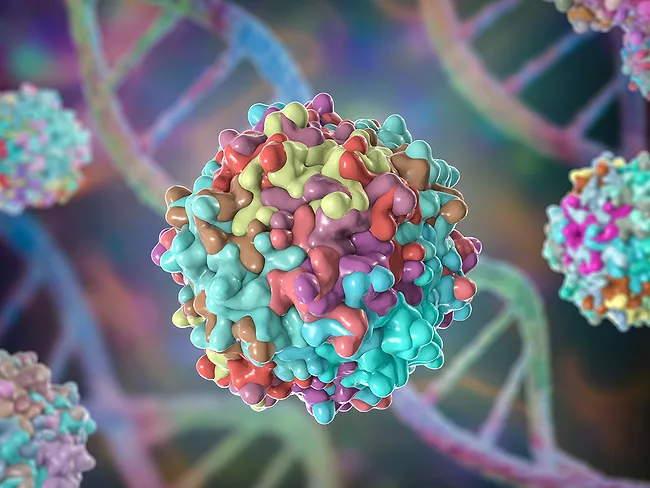
Privately held Dyno Therapeutics Inc. has added another notch to its adeno-associated virus (AAV) vectors development portfolio in a deal with the Roche Group that includes $50 million up front and ultimately could top $1 billion. Dyno will help in developing next-generation AAV vectors, optimized by artificial intelligence, to target neurological diseases.
Scientists from different laboratories around the world have presented the latest advances in research into malignant brain tumors at the 31st Annual Congress of the European Society of Gene and Cell Therapy (ESGCT), which is being held Oct. 22 to 25 in Rome.
The Japanese government, industry and academia are deliberating health care policies and initiatives to boost Japan’s role in the future of regenerative medicine, experts at Bio Japan 2024 said, as the fruits of cell and gene therapy research come to fruition with new approvals.
U.S. biotechs and regulators ushered in the era of gene therapy in 2023, experts at Bio Japan said, but medical reform is needed to pave the way for the “year of cell therapy” in 2024 and implement wider access to ultra-expensive cell and gene therapies.
Gene therapy specialist Meiragtx Holdings plc got a market bump courtesy of newly released top-line data from its phase II bridging study in Parkinson’s disease. The six-month, three-arm randomized, double-blind, sham controlled trial of AAV-GAD, a one-time infusion, demonstrated significant and clinically meaningful improvements in key efficacy endpoints. The primary objective was evaluating the therapy’s safety and tolerability. The study of participants with idiopathic disease showed the therapy was safe and well-tolerated with no serious adverse events. Meiragtx is pursuing approvals in the U.S., Europe and Japan.
Purespring Therapeutics Ltd. has raised £80 million (US$104.6 million) in a series B, putting it on course to be the first to take a gene therapy for a kidney disease into the clinic. The money enables the company to move the lead program, PS-002, for the treatment of IgA nephropathy to clinical proof of concept and advance programs in other complement-mediated kidney diseases, and in an undisclosed glomerular kidney disease.
Aviadobio Ltd. has entered a potential $2.18 billion license and commercialization agreement for its frontotemporal dementia gene therapy, AVB-101, with Astellas Pharma Inc. Astellas is making a $20 million equity investment in London-based Aviadobio and will pay up to $30 million up front in advance of deciding whether or not to exercise the exclusive option to worldwide rights.
Gene and cell therapies will drive innovation for the next 10 years, Claus Zieler, the chief commercial officer at Astellas Pharma Inc., said in the newest episode of the BioWorld Insider podcast. Developers are on the cusp of breakthroughs because a gene can now be replaced “and that means we can potentially cure a disease rather than intervening in a disease.”
Engene Holdings Inc.’s recent disclosure of pivotal phase II data with nonviral gene therapy detalimogene voraplasmid (also known as detalimogene, and previously as EG-70) – along with a planned protocol refinement – added intrigue to the non-muscle invasive bladder cancer space, which continues to percolate.
In one of the largest private rounds raised by an Italian biotech, Genespire Srl has closed a €46.6 million (US$51.88 million) series B, enabling it to lay the ground for a phase I/II clinical trial of its lead program, Gene-202, and to further develop its proprietary lentiviral vectors. The vectors are designed to be applicable to a range of liver-related metabolic disorders and, as its first indication, the company intends to treat methylmalonic acidemia, a serious genetic condition that results in impaired metabolism of certain amino acids and lipids.
 RSS
RSS