Reprogram Biosciences Inc., a preclinical oncology biotechnology company developing mRNA-based therapeutics to treat solid tumors, has announced the close of its seed financing, bringing the total capital raised to $6 million since the company’s founding in 2025.
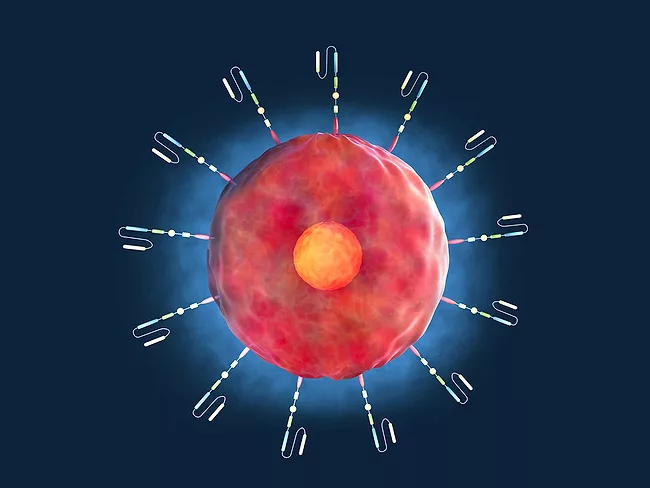
At the ongoing European Association for the Study of the Liver 2026 annual meeting in Barcelona, researchers from Oricell Therapeutics Co. Ltd. presented data on a CAR T-cell approach targeting glypican 3 (GPC3) – OriC-902 – for the treatment of GPC3+ hepatocellular carcinoma (HCC).
Kolon Life Science Inc. is developing KLS-3021, a next-generation oncolytic vaccinia virus designed to express the PH20, IL-12 and PD-1-Fc transgenes to mediate receptor-independent tumor cell killing and enhance antitumor immune responses.
Biomunex Pharmaceuticals SAS has entered into strategic collaborations with two AI-specialized companies – Gordion Bioscience Inc. and Tangramed Biotech SAS – as part of its strategy to integrate AI into its R&D activities and support the development of next-generation immunotherapies in oncology.
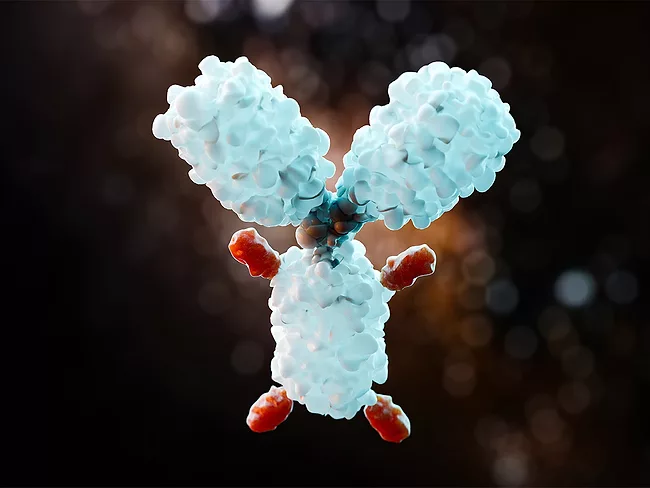
Kunshan Xinyunda Biotechnology Co. Ltd. has patented new antibody-drug conjugates (ADCs) consisting of humanized antibodies targeting disintegrin and metalloproteinase domain-containing protein 9 (ADAM9) covalently linked to a payload and potentially useful for the treatment of cancer and inflammatory disorders.
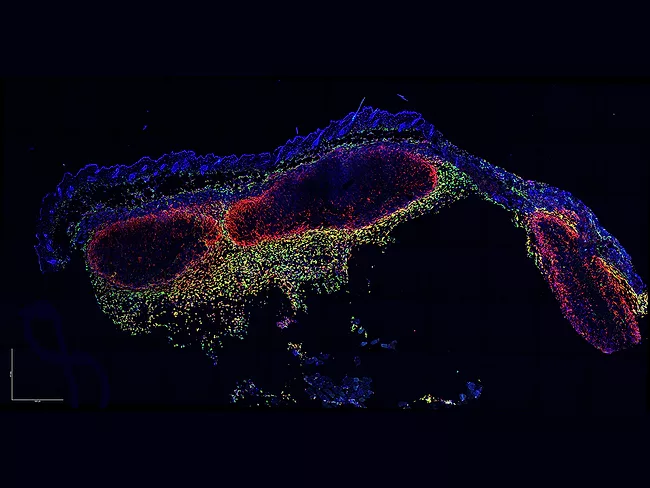
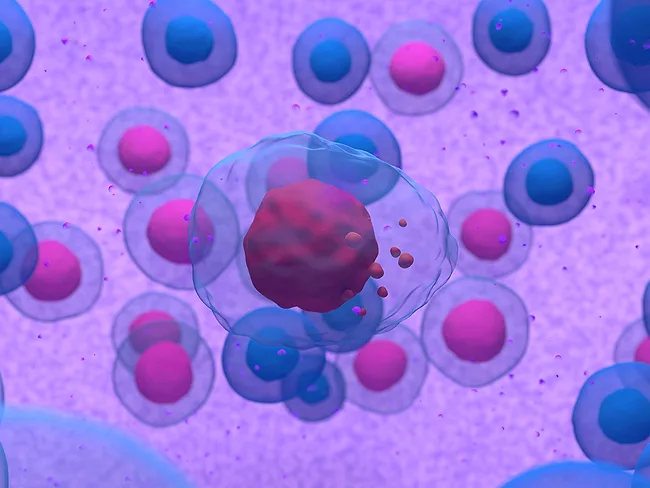
Australian researchers have identified a previously overlooked population of immune cells in the skin that physically restrain melanoma growth by engulfing live melanoma cells, and the discovery could reshape thinking around macrophage-targeted cancer therapies and innate immunity in oncology.
Defects in antigen presentation lead to resistance to cancer immunotherapy, where type I conventional dendritic cells (cDC1s) are crucial drivers of antitumor immunity and their presence is tied to favorable responses and better outcomes. Intratumoral delivery of adenoviral vector, Ad5-PIB, encoding PU.1, IRF8 and BATF3 reprograms tumor cells into cDC1-like antigen-presenting cells and has shown synergy with immune checkpoint blockade (ICB) therapy at exerting antitumor immunity. Asgard Therapeutics AB has developed AT-108, a lead candidate developed for durable efficacy.
Umoja Biopharma Inc. performed preclinical studies to evaluate the antitumor activity of UB-VV500, an off-the-shell lentiviral vector CAR T-cell product. It is based on its Vivovec technology and designed to engineer fully human anti-B-cell maturation antigen (BCMA)/G protein-coupled receptor class C group 5 member D (GPRC5D) dual-targeting chimeric antigen receptor (CAR) T cells, for the potential treatment of multiple myeloma (MM).
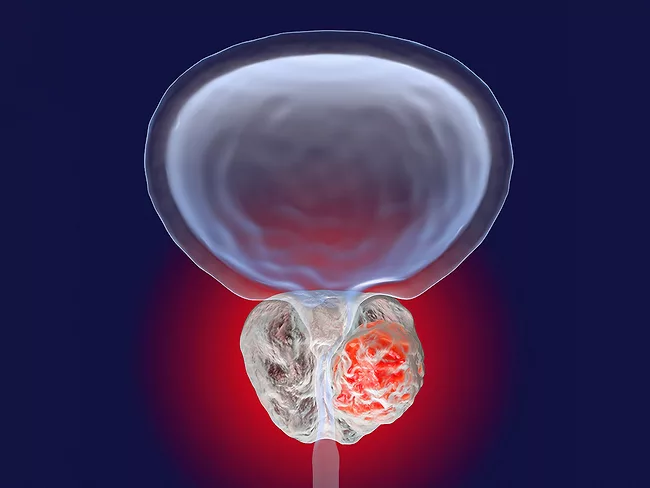
Shanghai Henlius Biotech Inc.’s HLX-3902, a trispecific antibody targeting STEAP1xCD3xCD28, has received approval from the Human Research Ethics Committee (HREC) in Australia and has been filed with the Therapeutic Goods Administration (TGA). The T-cell engager is intended for the treatment of metastatic castration-resistant prostate cancer and other advanced solid tumors.
Ichnos Glenmark Innovation Inc. has announced a new development candidate, ISB-2301, a potentially first-in-class, multispecific immune cell activator for the potential treatment of multiple solid tumor indications. ISB-2301 is a multispecific antibody that targets three tumor-associated antigens to trigger tumor cell death and engages both T and NK cells to activate the immune system. Leveraging the company’s BEAT technology, ISB-2301 is designed to induce potent antibody-dependent cellular cytotoxicity, checkpoint inhibition and a sustained type 1 immune response.
 RSS
RSS