BioWorld. Link to homepage.

Clarivate
  • BioWorld
  • BioWorld Science
  • BioWorld Asia
  • Data Snapshots
    • Biopharma
    • Medical technology
    • Infographics: Dynamic digital data analysis
    • Index insights
    • NME Digest
  • Special reports
    • Infographics: Dynamic digital data analysis
    • Trump administration impacts
    • Under threat: mRNA vaccine research
    • BioWorld at 35
    • Biopharma M&A scorecard
    • Bioworld 2025 review
    • BioWorld MedTech 2025 review
    • BioWorld Science 2025 review
    • Women's health
    • China's GLP-1 landscape
    • PFA re-energizes afib market
    • China CAR T
    • Alzheimer's disease
    • Coronavirus
    • More reports can be found here

BioWorld. Link to homepage.

  • Sign In
  • Sign Out
  • My Account
Subscribe
BioWorld - Sunday, February 15, 2026
Home » Topics » Drugs » Immuno-oncology

Immuno-oncology
Immuno-oncology RSS Feed RSS

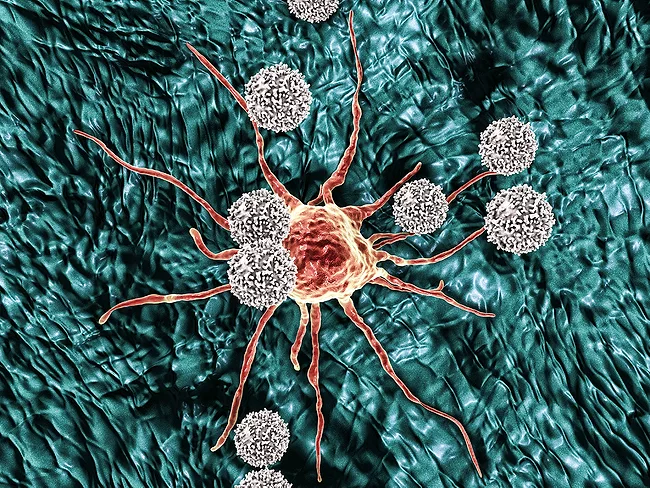
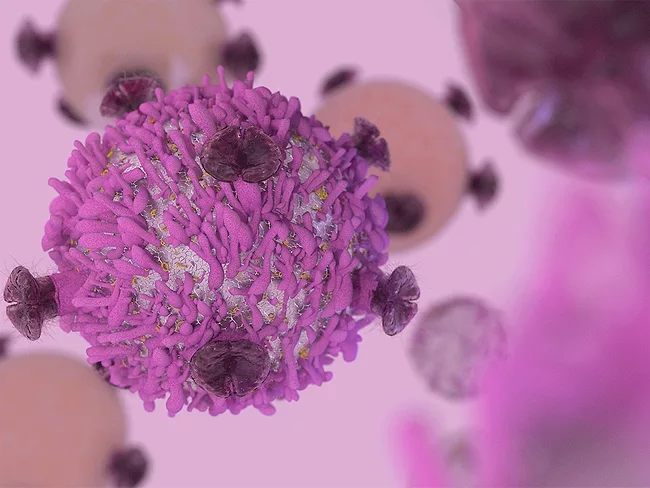
Killer T cells surround a cancer cell.
Cancer

Leukemia-related rogue immune cells cause autoimmune disorders

Nov. 30, 2022
By Mar de Miguel
Does cancer cause autoimmune disease or is it the other way around? In looking at the question of which comes first, the chicken or the egg, researchers at the Garvan Institute of Medical Research in Australia found that a genetic mutation that alters immune cells in leukemia is behind certain autoimmune disorders.
Read More
Scanning electron micrograph of a macrophage.
Cancer

Innate immunity can drive radiation-induced abscopal effect

Nov. 29, 2022
By Anette Breindl
A combination of radiation therapy and CD47 blockade induced an abscopal effect in animal studies even in animals that lacked T cells, researchers reported in the Nov. 21, 2022, online issue of Nature Cancer.
Read More
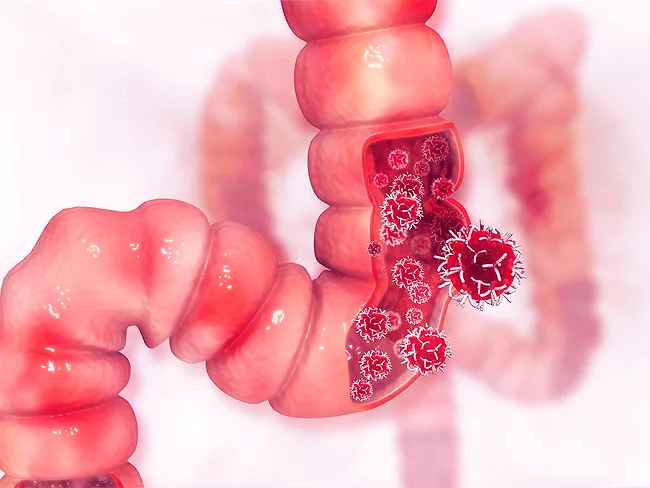
Colon cancer illustration
Immuno-oncology

YH-38560 shows promise for the treatment of solid cancers

Nov. 29, 2022
Trophoblast glycoprotein, also known as 5T4, is widely expressed in several solid tumors; cluster of differentiation 47 (CD47) is an ubiquitous immune checkpoint receptor that is also overexpressed in many solid tumors as well as in hematological cancers. A Yuhan Corp. research team has presented preclinical results on YH-38560, a bispecific fusion protein that targets both 5T4 and CD4 for the potential treatment of solid tumors.
Read More
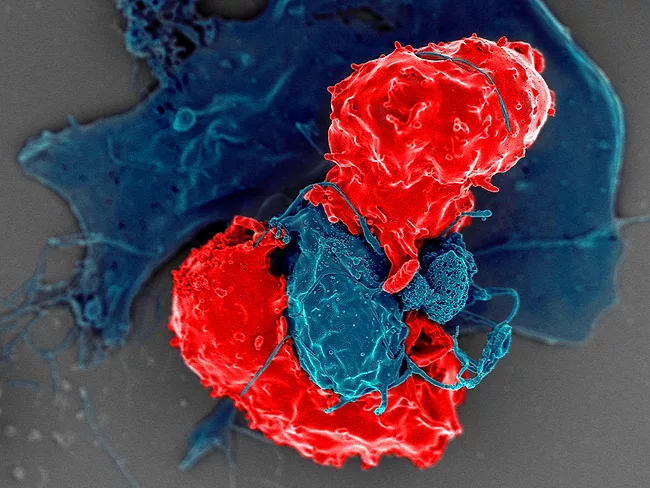
Colorized scanning electron microscope image of regulatory T cells and antigen-presenting cells.
Immuno-oncology

Anti-CCR8 antibody CTM-033 inhibits tumor growth in vivo

Nov. 28, 2022
Regulatory T cells (Tregs) are known suppressors of immunity activation in the tumor microenvironment, and a high density of Tregs is tied to a poor response to cancer immunotherapy, with CCR8+ Tregs identified as being highly suppressive. Ctm Bio Co. therefore have studied the CCR8 antagonist antibody CTM-033 in preclinical cancer models.
Read More
Immuno-oncology art concept
Immuno-oncology

NPX-267 potentiates T and NK cell-mediated antitumor immunity through KIR3DL3 blockade

Nov. 28, 2022
Killer cell immunoglobulin-like receptor 3DL3 (KIR3DL3) is a member of the killer cell Ig-like (KIR) receptor family. When KIR3DL3 is expressed on T and natural killer (NK) cells in the tumor microenvironment, it suppresses immune responses following engagement with HHLA2, suggesting that the KIR3DL3-HHLA2 axis potentially represents a novel immune checkpoint pathway and that blockade of KIR3DL3 signaling could promote antitumor immunity.
Read More
Cancer cells being destroyed by immunotherapy
Immuno-oncology

IOS-1002 stimulates adaptive and innate immunity for cancer treatment

Nov. 25, 2022
Investigators from Immunos Therapeutics AG aimed to develop novel anticancer therapies by using a reverse rational approach from HLA class I molecules with the aim to induce autoimmunity, and they identified HLA-B*57 as a well-known genetic factor associated with superior control of viral infections through processes not linked with peptide presentation.
Read More
Immuno-oncology

Molecular culprit identified in counterproductive therapy response

Nov. 25, 2022
By Nuala Moran
Treatment with anti-PD-1 checkpoint inhibitors is not effective in all cases, and around 10% of melanoma patients actually experience a rapid deterioration, a phenomenon known as hyperprogressive disease. Some studies have linked hyperprogression to specific immune cell populations or genes, and it remains unclear if this complication can be directly attributed to checkpoint immunotherapy or not.
Read More
Immuno-oncology

Chinese researchers divulge new ADCs targeting nectin-4 for cancer

Nov. 24, 2022
Jiangsu Mabwell Health Pharmaceutical R&D Co. Ltd. and Mabwell (Shanghai) Bioscience Co. Ltd. have synthesized antibody-drug conjugates (ADCs) consisting of antibodies targeting nectin-4 covalently linked to cytotoxic drugs through a linker reported to be useful for treatment of cancer.
Read More
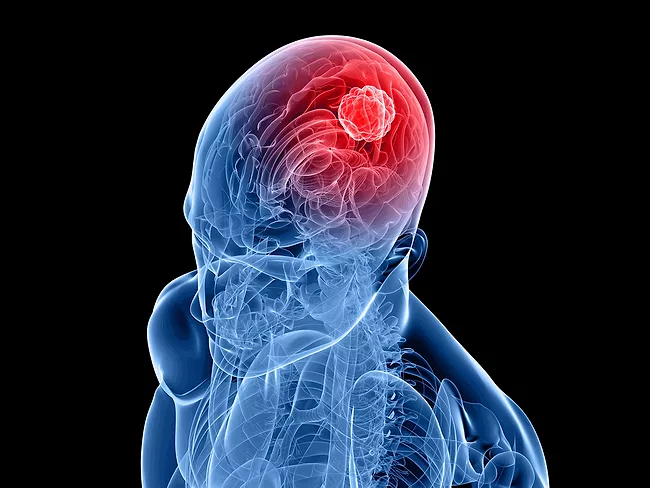
Brain cancer illustration
Immuno-oncology

ONCR-GBM proves to be efficacious in preclinical studies of glioblastoma

Nov. 24, 2022
Glioblastoma (GBM) is the most common type of primary brain tumor in adults, with only a 7% rate of 5-year overall survival for patients. Oncolytic viruses based on HSV-1 vectors are an interesting and to-explore area for GBM treatment.
Read More
Cancer immunotherapy illustration
Immuno-oncology

CCR2-targeted STING ISAC TAK-500 shows promising results as cancer immunotherapeutic

Nov. 24, 2022
Activation of the cGAS-STING pathway activates the immune system through the production of type I interferons. There is knowledge that myeloid cell populations are among the most sensitive to STING agonism. Investigators at Takeda Pharmaceutical Co. Ltd. presented results on TAK-500, an immune stimulant antibody-drug conjugate (ISAC) composed of an antibody linked to a STING agonist for delivery to CCR2+ cells.
Read More
Previous 1 2 … 120 121 122 123 124 125 126 127 128 … 994 995 Next

Popular Stories

  • Today's news in brief

    BioWorld
  • Illustration of SCAN in Parkinson’s vs healthy subcortex

    SCAN is core circuit affected in Parkinson’s disease

    BioWorld Science
    Parkinson’s disease (PD) is a neurodegenerative disorder that affects movement, and tremor is one of its signatures. But it is a much more wide-ranging disorder,...
  • 3D illustration of skin layers

    TL1A is overexpressed in hidradenitis suppurativa

    BioWorld Science
    Despite the availability of advanced therapeutic options, about 40%-50% of patients with hidradenitis suppurativa do not achieve significant improvement in...
  • Woman and 3D brain

    Astellas’ ASP-2246 shows promise in stroke management

    BioWorld Science
    Astellas Pharma Inc. recently presented data regarding ASP-2246, a drug candidate comprised of an mRNA encoding the transcription factor NeuroD1 encapsulated in...
  • News in brief

    BioWorld Asia
    BioWorld Asia briefs for Feb. 10, 2026
  • BioWorld
    • Today's news
    • Analysis and data insight
    • Clinical
    • Data Snapshots
    • Deals and M&A
    • Financings
    • Medical technology
    • Newco news
    • Opinion
    • Regulatory
  • BioWorld Science
    • Today's news
    • Biomarkers
    • Cancer
    • Conferences
    • Endocrine/metabolic
    • Immune
    • Infection
    • Neurology/psychiatric
    • NME Digest
    • Patents
  • BioWorld Asia
    • Today's news
    • Analysis and data insight
    • Australia
    • China
    • Clinical
    • Deals and M&A
    • Financings
    • Newco news
    • Regulatory
    • Science
  • More
    • About
    • Advertise with BioWorld
    • Archives
    • Article reprints and permissions
    • Contact us
    • Cookie policy
    • Copyright notice
    • Data methodology
    • Infographics: Dynamic digital data analysis
    • Index insights
    • Podcasts
    • Privacy policy
    • Share your news with BioWorld
    • Staff
    • Terms of use
    • Topic alerts
Follow Us

Copyright ©2026. All Rights Reserved. Design, CMS, Hosting & Web Development :: ePublishing