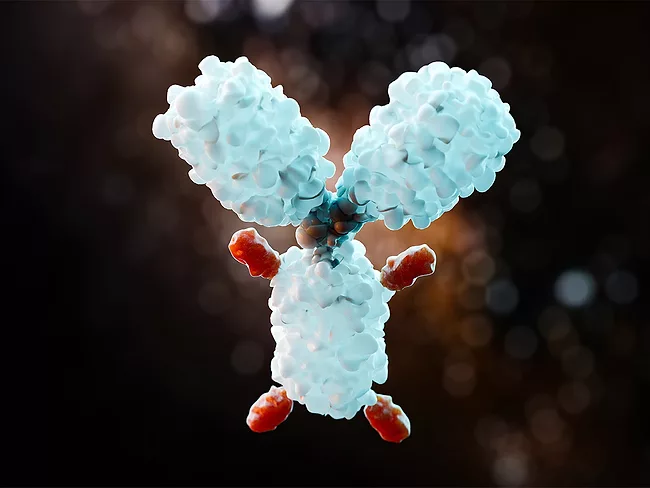
Valanx Biotech Gmbh has secured €3 million (US$4 million) in funding to advance its lead antibody-drug conjugate (ADC) program. The financing will enable preclinical development of VLX-ADC-001.
C-Further, an international consortium supporting new therapeutics for pediatric cancers, has unveiled the first early-stage therapeutic programs in its pipeline. The company said it is advancing CF-012 and CF-033 through its collaborative model.
Zelluna ASA has established a collaboration with Etcembly Ltd. that will focus on the engineering of high-affinity, tumor-specific T-cell receptors targeting KKLC1.
A recent study published in Cancer Research by scientists at The University of Texas MD Anderson Cancer Center (USA) and collaborators aimed to identify and characterize a target that elicits an anticancer response through both disrupting cancer cell redox homeostasis and increasing the immunogenicity of pancreatic ductal adenocarcinoma (PDAC).
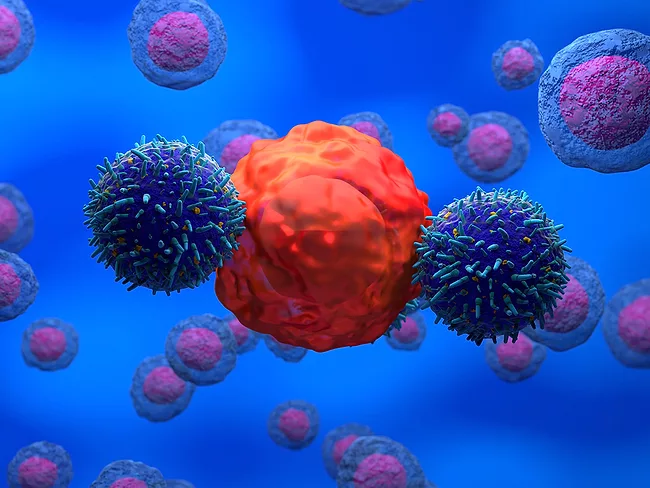
B-cell acute lymphoblastic leukemia (B-ALL), characterized by the clonal expansion of immature lymphoblastic cells, is traditionally treated with lengthy chemotherapy followed by allogeneic stem cell transplantation (aSCT) for high-risk patients. However, patients with relapsed or refractory B-ALL still present a dismal prognosis.
Great Novel Therapeutics Biotech & Medicals Corp.’s epigenetic immunoactivator, GNTbm-38, has received IND clearance from the FDA, enabling initiation of a phase I trial in the U.S.
Calidi Biotherapeutics Inc. recently presented data regarding CLD-401 as an immunotherapeutic approach developed using the Redtail gene therapy platform. This platform uses a tumor-specific, replicating enveloped vaccinia virus that expresses a chimeric form of CD55 to allow complement and neutralizing antibody resistance, as well as systemic administration.
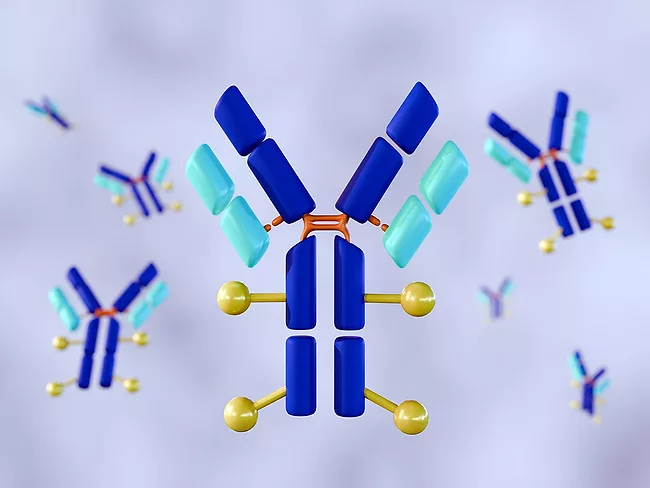
Researchers from Sutro Biopharma Inc. presented data on dual-payload antibody-drug conjugates (ADCs) engineered to overcome drug resistance, demonstrating enhanced cytotoxicity and potential efficacy in resistant cancer models.
Mitogen-activated protein kinase kinase kinase kinase 1 (HPK1) is a serine/threonine protein kinase that is expressed in the hematopoietic compartment, exerting regulatory functions in myeloid and innate immune cells. It has been associated with decreased T-cell activation and proliferation.
 RSS
RSS