Replimune Group Inc. received another complete response letter (CRL) from the U.S. FDA for immunotherapy vusolimogene oderparepvec to treat advanced melanoma, sending shares plunging by more than 19% on the April 10 PDUFA date.
CBL-B is a RING-type E3 ubiquitin ligase that acts as a negative regulator of T-cell activation, contributing to immune homeostasis by limiting excessive immune responses. In cancer, however, this inhibitory role can impair the immune system’s capacity to detect and eradicate tumor cells. Researchers from Genentech Inc. presented the design and optimization of a series of CBL-B-targeting molecular glues.
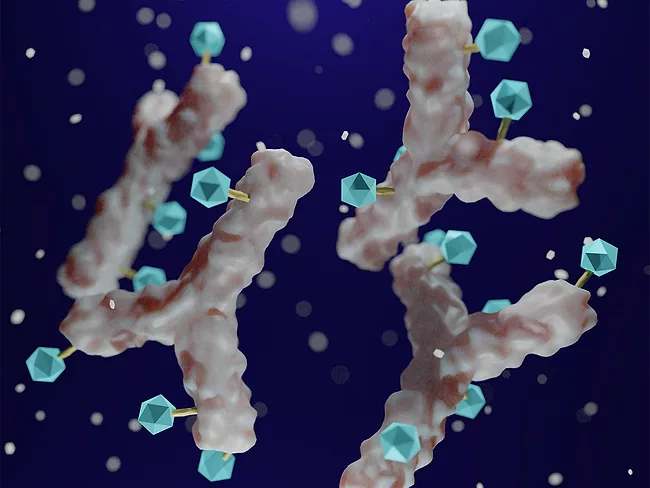
Researchers from Mabqi SAS presented the preclinical profile of MQI-181, an antibody-drug conjugate (ADC) composed of a human anti-CD30 antibody (18D03) linked to the cytotoxic payload monomethyl auristatin E (MMAE) via a cleavable MC-VC-PAB linker, with a drug-antibody ratio of 4.
Canwell Pharma Inc. has obtained IND approval from the FDA for CAN-016, a novel antibody-drug conjugate (ADC). The company will initiate a phase I study in patients with HER2-expressing solid tumors who have experienced disease progression following prior ADC therapies.
Akari Therapeutics plc has established a strategic partnership with Wuxi XDC Cayman Inc. to accelerate the development of Akari’s novel PH1 payload. Akari’s lead program, AKTX-101, is initially targeting metastatic urothelial cancer.
Janux Therapeutics Inc. has nominated a development candidate under its collaboration and exclusive worldwide license agreement with Bristol Myers Squibb Co. (BMS). The milestone was achieved following the identification of a tumor-activated therapeutic, utilizing Janux’s TRACTr (Tumor Activated T Cell Engager) platform, targeting an undisclosed solid tumor antigen expressed across several human cancer types. The milestone triggers a payment to Janux.
Ernexa Therapeutics Inc. is advancing its lead program, ERNA-101, toward an IND submission in the third quarter of this year and the initiation of a first-in-human trial in the fourth quarter for the treatment of platinum-resistant ovarian cancer.
Fosun Pharmaceutical (Group) Co. Ltd. has received the approval from China’s National Medical Products Administration (NMPA) to initiate a clinical trial of FXB-0871 (TEV-56278) for the treatment of locally advanced or metastatic solid tumors.
Tyligand Bioscience Ltd. has reported new dual-drug antibody-drug conjugates comprising monoclonal antibodies covalently linked to stimulator of interferon genes protein (STING; TMEM173) agonist and a cytotoxic drug.
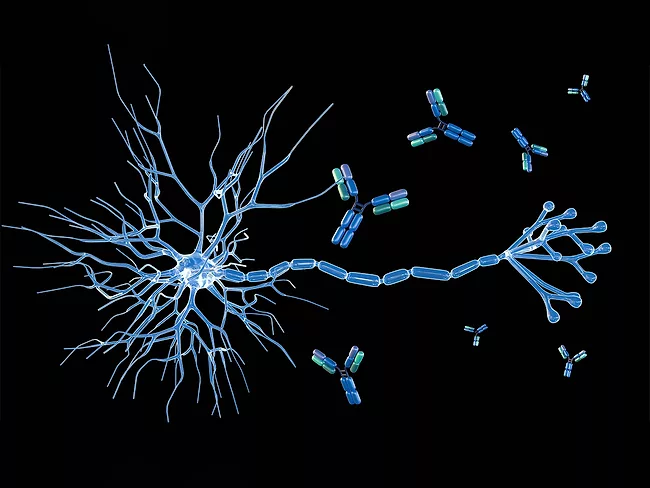
Certain cancers, such as triple-negative breast cancer, produce antibodies that, although they help fight the tumor, can cross the blood-brain barrier and alter the function of NMDA receptors (NMDAR) in the brain, which are essential for neuronal signaling. Scientists at Cold Spring Harbor Laboratory (CSHL) have identified their origin and described how this process is linked to the maturation of these antibodies, which can activate or inhibit the receptor, causing neurological and psychiatric symptoms.
 RSS
RSS