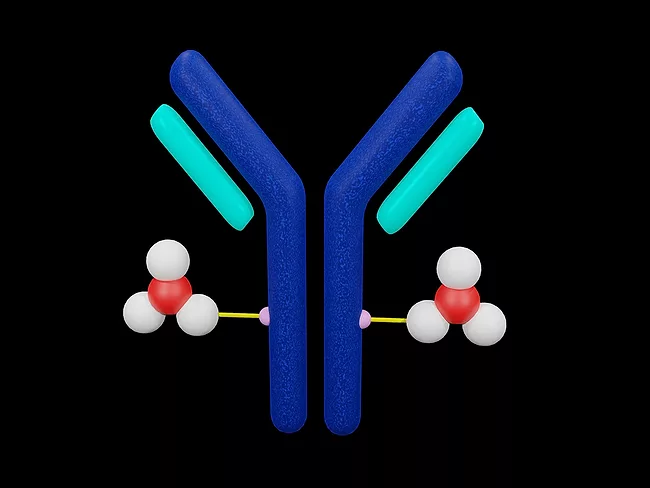
Calidi Biotherapeutics Inc. recently presented data regarding CLD-401 as an immunotherapeutic approach developed using the Redtail gene therapy platform. This platform uses a tumor-specific, replicating enveloped vaccinia virus that expresses a chimeric form of CD55 to allow complement and neutralizing antibody resistance, as well as systemic administration.
Researchers from Sutro Biopharma Inc. presented data on dual-payload antibody-drug conjugates (ADCs) engineered to overcome drug resistance, demonstrating enhanced cytotoxicity and potential efficacy in resistant cancer models.
Mitogen-activated protein kinase kinase kinase kinase 1 (HPK1) is a serine/threonine protein kinase that is expressed in the hematopoietic compartment, exerting regulatory functions in myeloid and innate immune cells. It has been associated with decreased T-cell activation and proliferation.
Autoantibodies and B cells are drivers of progressive autoimmune diseases, but targeting B cells or plasma cells alone is not sufficient to address them. Earendil Labs has presented data on HXN-1031, a novel T-cell engager targeting both CD19 and B-cell maturation protein (BCMA).
CAR T cells have been groundbreaking for the treatment of B-cell cancers. But 8 years after Kymriah (tisagenlecleucel, Novartis AG) became the first CAR T-cell therapy to be approved, there are no CAR Ts approved for solid tumors.
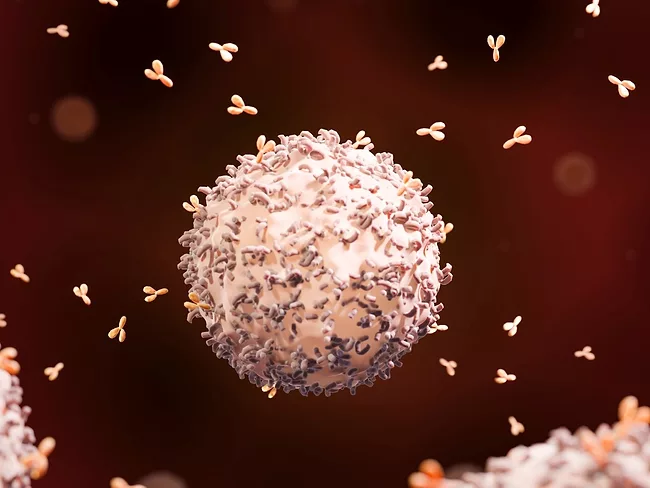
To overcome the challenges of current CAR T-cell strategies and enhance their efficacy and specificity for acute myeloid leukemia, researchers at the Sino-American Cancer Foundation and collaborating institutions have developed a nanobody-based CAR T-cell platform directed against C-type lectin-like molecule-1 (CLL-1).
Kivu Bioscience Inc. has announced receipt of Human Research Ethics Committee approval and clinical trial notification clearance in Australia to initiate a first-in-human trial of KIVU-305, its CEACAM5-targeted antibody-drug conjugate.
Almirall SA has nominated LAD-116 as a novel therapy targeting non-melanoma skin cancer for further development in IND-enabling studies. LAD-116 is based on collaborator Etherna Immunotherapies NV’s intratumoral mRNA/lipid nanoparticle (LNP) platform.
CD137 is a potent immune costimulatory receptor that promotes T-cell activation and enhances antitumor immune responses. However, systemic activation of CD137 can result in excessive immune stimulation and associated safety risks, such as hepatotoxicity, limiting its clinical use.
In a recent study, researchers from Stony Brook University Renaissance School of Medicine and Cold Spring Harbor Laboratory investigated whether in vivo targeting of gastrointestinal tissues via foodborne delivery of Lm-based cancer vaccines could control tumor growth in murine models of colorectal cancer.
 RSS
RSS


.webp?height=488&t=1670008838&width=650 "Acute myeloid leukemia")