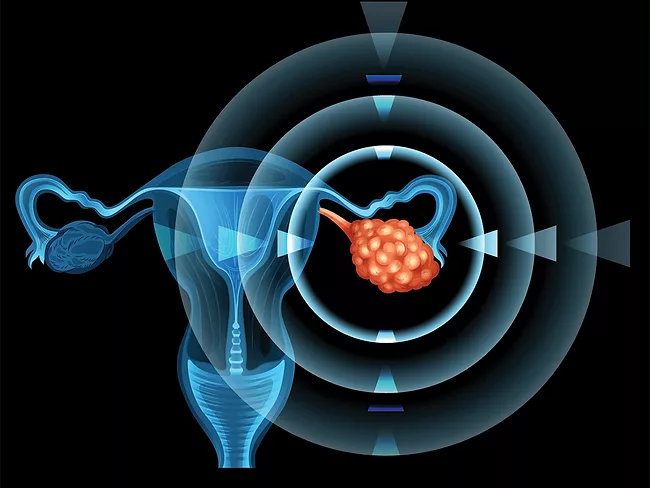
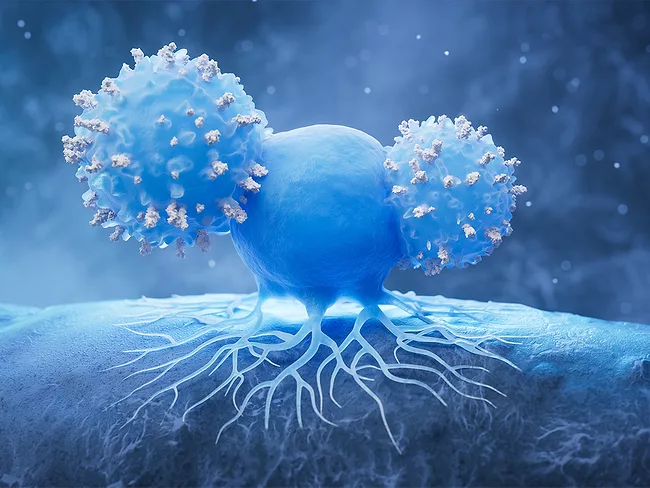
In a recently published study, researchers from the Institute of Biomedical Research of Salamanca and collaborators investigated the potential of CD98hc as a novel antibody-drug conjugate (ADC) target in ovarian cancer. CD98hc, encoded by the SLC3A2 gene, is a transmembrane glycoprotein involved in amino acid transport, cell adhesion and signal transduction, among other biological activities.
Valerio Therapeutics SA has entered into a binding term-sheet with Abivax SA setting out the principal terms of an exclusive worldwide research and development collaboration to identify, design and evaluate next-generation therapeutic candidates for immune-mediated inflammatory diseases.
Shanghai Henlius Biologics Co. Ltd., Shanghai Henlius Biopharmaceutical Co. Ltd. and Shanghai Henlius Biotech Inc. have disclosed new antibody-drug conjugates comprising a monoclonal antibody targeting HER2 covalently linked to a camptothecin derivative potentially useful for the treatment of cancer.
Tempest Therapeutics Inc. has announced details of its pipeline of in vivo CAR T product candidates differentiated by a CD7-targeted mRNA/LNP delivery approach, with application in the fields of oncology and immunology. Tempest’s in vivo CAR T platform, CD7-targeted mRNA lipid nanoparticle (CD7-tLNP), offers broader T-cell reach, enhanced delivery efficiency and scalable in vivo CAR T.
Biocytogen Pharmaceuticals (Beijing) Co. Ltd. has prepared and tested new bispecific antibody-drug conjugates (ADCs) consisting of a bispecific antibody or antigen-binding fragments targeting B7 homolog 3 (B7-H3; CD276) and delta-like protein 3 (DLL3) linked to cytotoxic drug; they are described as potentially useful for the treatment of cancer.
Certain cancers that contain organized clusters of immune cells known as tertiary lymphoid structures (TLS) do not respond to treatment as well as expected. Even though they have TLS that support the elimination of cancer cells, they remain resistant to immunotherapy. γ-Aminobutyric acid (GABA), better known as the brain’s major inhibitory neurotransmitter, may play a role in this lack of response by acting as an immunoregulatory metabolite, according to a study led by scientists at Sorbonne Université.
In a recent study, scientists from Stanford University and collaborators aimed to develop a platform for specific tumor-immune cell targeting, focusing on tumor-associated macrophages (TAMs), with the eventual goal of interfacing with existing immune checkpoint inhibitor technologies.
SL Science Holding Ltd. has submitted an orphan drug designation request to the FDA for its γδ T-cell therapy product, Vδ2+ γδ T cells, for the treatment of glioblastoma multiforme.
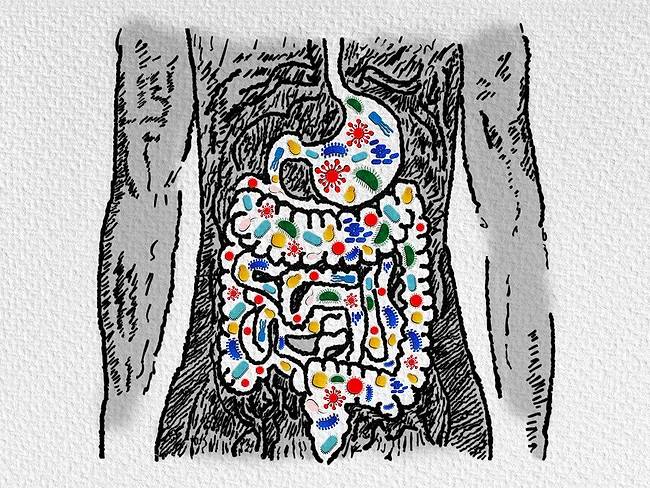
Cancer researchers are increasingly turning to the microbiome to understand why some patients respond well to treatment while others face severe complications. Gut microbial communities shift during intensive therapies such as bone marrow transplantation, and those changes influence infection risk, immune recovery and long‑term survival. New advances in microbial sequencing and engineering redefine this community as a measurable clinical parameter that can be monitored, modeled, and even therapeutically reshaped to improve outcomes in oncology and other conditions.
 RSS
RSS