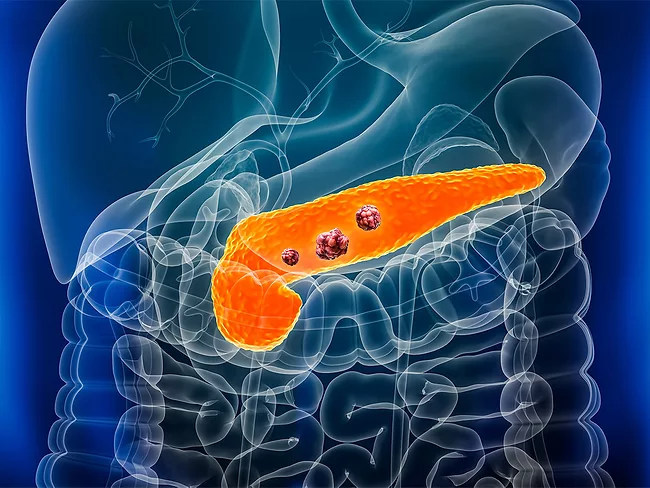
Intercellular communication between tumor cells and cancer-associated fibroblasts (CAFs) plays a key role in tumorigenesis and progression, and CAFs generate an extracellular matrix that provides a repository for factors that promote cancer progression. Alpha Beta Therapeutics Inc. researchers aimed to investigate the mechanisms by which CAFs facilitate tumor initiation and tumorigenesis of pancreatic cancer.
Tevogen Bio Holdings Inc. has expanded its relationship with Microsoft Corp. to broaden their AI-focused collaboration and build its Predictcell technology for predictive precision T-cell targeting.
Researchers from Zhengzhou University and affiliated organizations presented the development and preclinical characterization of VVL-12, an oncolytic vaccinia virus (VV) for the treatment of lung cancer.
Swarm Oncology Ltd. has emerged from stealth with a focus on advancing novel T-cell therapies to achieve long-term remission in patients with advanced solid cancers.
Ymmunobio AG, in collaboration with the Paul Scherrer Institute, has received an Innosuisse grant to develop innovative radioactive loaded antibodies for the treatment and diagnosis of solid tumors based on Ymmunobio’s proprietary YB-800.
Arrivent Biopharma Inc. has entered into an exclusive license agreement with Lepu Biopharma Co. Ltd. for MRG-007, an antibody-drug conjugate (ADC) in development for gastrointestinal cancers.
Researchers from Oxford Biomedica (UK) Ltd. have published findings from their work aiming to identify antigens that could represent novel targets for CAR T-cell therapies against acute myeloid leukemia (AML).
Cancer immunotherapy has represented a significant advancement in cancer treatment; however, many patients experience relapse or develop resistance to this treatment. Bispecific antibodies that selectively engage T-cell costimulatory molecules have emerged as a novel therapeutic strategy to overcome the limitations of immunotherapy.
[68Ga]/[177Lu]DOTA-2P(FAPI)2 is a novel dimeric FAP-targeting radiopharmaceutical that has demonstrated increased tumor uptake and prolonged retention in different types of cancer models.
Researchers have developed an innovative immunotoxin (a fusion protein called GrB-Fc-KS49) designed to target epithelial membrane protein-2 (EMP2), a biomarker overexpressed in more than 75% of breast cancer cases, including triple-negative breast cancer (TNBC).
 RSS
RSS