Three years ago when Keting Chu pondered the name for a new biopharma company that would fold in infectious disease assets from Novartis AG, she looked out over her West Coast backyard. “I was looking for a name that made you think of California,” she told BioWorld. She nixed the idea of incorporating redwood trees into the name, but then she saw the blue jays flying around those trees and thought, “that’s a beautiful bird.” Hence, Chu founded and became CEO of Bluejay Therapeutics Inc., first raising $20 million through a series A in June 2021 and a $41 million series B in August 2022. On May 9, the San Mateo, Calif.-based company closed a $182 million series C round, with plans to accelerate development of lead compound BJT-778 to treat chronic hepatitis D virus, a condition for which there are no approved therapeutics in the U.S.
Memo Therapeutics AG has added a further CHF20 million (US$22 million) to its series C, bringing the total for the round to CHF45 million and enabling the company to expand the phase II trial of its lead program, AntiBKV, in neutralizing BK virus infection in immune compromised kidney transplant recipients.
The bifunctional antibody approach continues to pay off for Zenas Biopharma Inc., which banked an upsized $200 million series C preferred stock financing led by SR One along with NEA, Norwest Venture Partners and Delos Capital. Enavate Sciences and Longitude Capital participated significantly as well.
Samsung Bioepis Co. Ltd. and Celltrion Inc. are making headway in Europe and U.S. with respective follow-on biologic products, with Samsung Bioepis the latest to gain EMA approval for Pyzchiva, a Stelara (ustekinumab, Janssen Pharmaceuticals Inc.) biosimilar, on April 23.
An oral Bruton’s tyrosine kinase (BTK) inhibitor that Sanofi SA acquired in 2020 through its $3.68 billion buyout of Principia Biopharma Inc. is headed toward regulatory filings in the U.S and EU by the end of the year, following phase III data in immune thrombocytopenia.
Essential Pharma Ltd. is paying up to £70 million (US$88.7 million) to acquire Renaissance Pharma Ltd., taking ownership of Hu14.18, a treatment for high-risk neuroblastoma. The antibody has completed a 64-patient phase II trial conducted by St Jude’s Children’s Research Hospital, in which it showed an improvement in overall survival of around 50% compared to currently available therapies.
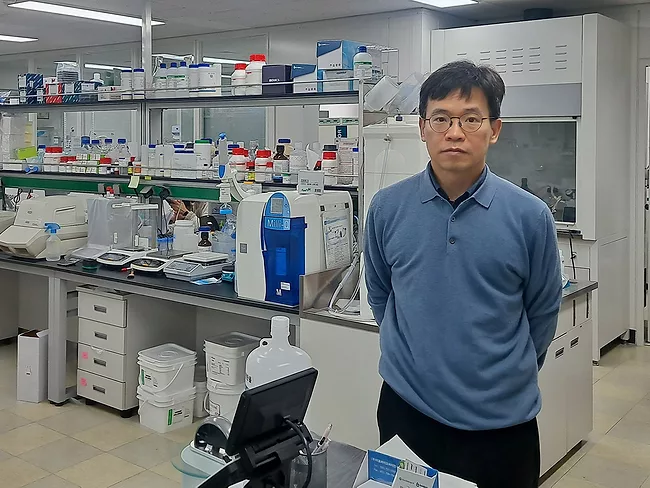
Alzheimer’s disease (AD) is recognized worldwide for its debilitating symptoms of declining cognitive function and gradual memory loss. What remains less clear is exactly what causes the neurodegenerative disease, and how to treat it. “Alzheimer’s disease is characterized by two key pathologies – beta-amyloid plaques and tau neurofibrillary tangles.” Seung-Yong Yoon, CEO of Adel Inc., told BioWorld. “Adel is looking to develop a tau-targeting drug, considering tau has been more correlated with AD symptom progression, and the industry’s need for tau pipelines.”
Xilio Therapeutics Inc. retreated with its lead oncology IL-2 drug, XTX-202, after phase II data indicated stable disease was the best response, prompting the company to reprioritize its pipeline and cut its workforce by 21% – but investors focused more on a $647.5 million IL-12 program deal the company signed with Gilead Sciences Inc., as well as an $11.3 million private placement financing.
An increasingly popular target across varied cancer types is the immune system regulator V-domain Ig suppressor of T-cell activation (VISTA), where a number of developers have taken early stage aim – among them Sensei Biotherapeutics Inc., with SNS-101, which Wainwright analyst Edward White believes could be the first anti-VISTA monoclonal antibody approved as a therapeutic agent. But there’s plenty of work ahead.
Japan’s Ministry of Health, Labor and Welfare approved Astellas Pharma Inc.’s Vyloy (zolbetuximab) to treat a type of advanced gastric cancer on March 26, making it the first anti-claudin 18.2 monoclonal antibody to gain regulatory clearance worldwide.
 RSS
RSS