Immuneoncia Therapeutics Inc. raised ₩33.9 billion (US$24 million) from its Kosdaq listing May 19. Shares closed at ₩7,500 – 108% higher than its offering price of ₩3,600 per share. Immuneoncia, a joint venture founded in 2016 between Seoul, South Korea-based Yuhan Corp. and San Diego-based Sorrento Therapeutics Inc., noted that the funds will support R&D operations until 2026.
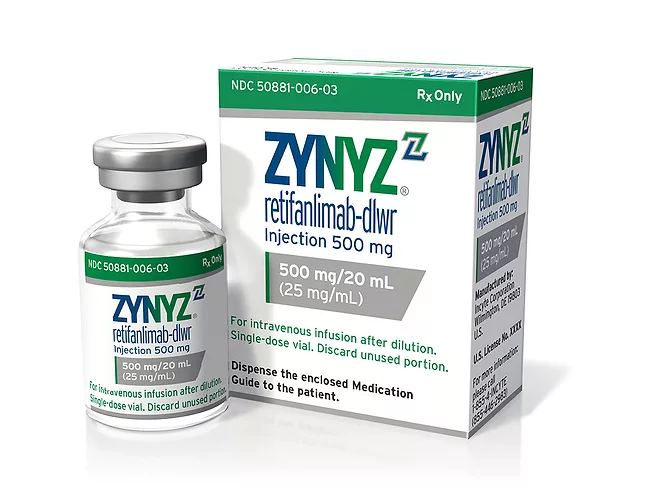
Incyte Corp.’s Zynyz (retifanlimab-dlwr) has received another U.S. FDA approval and put some distance between it and a 2021 complete response letter. The FDA gave the humanized monoclonal antibody targeting PD-1 the nod for first-line treatment of adults with inoperable locally recurrent or metastatic squamous cell carcinoma of the anal canal. That makes it the only approved first-line treatment for this cancer.
TIGITs took another tumble with GSK plc’s decision to end a development program and a collaboration with Iteos Therapeutics Inc. New top-line results from a phase II study in non-small-cell lung cancer using belrestotug, an anti-TIGIT monoclonal antibody, were disappointing so the companies are calling it a day.
With positive phase IIa cardiovascular disease results in hand, Marea Therapeutics Inc. said it is ready to move on to a phase IIb study sometime in the second quarter of 2025. MAR-001, a monoclonal antibody targeting the protein coding gene ANGPTL4, produced an up to a 52.5% placebo-adjusted mean reduction in remnant cholesterol and up to a 52.7% placebo-adjusted mean reduction in triglycerides at 12 weeks.
Innovent Biologics Inc.’s efdamrofusp alfa (IBI-302) met the primary endpoint in phase II, showing a gain of 10 or more letters in visual acuity from baseline at one year in Chinese patients with neovascular age-related macular degeneration.
The U.S. FDA approval of Johnson & Johnson’s Imaavy (nipocalimab-aahu) for myasthenia gravis brings the monoclonal antibody into a treatment space that teems with competition, both approved and in-development candidates. The human Fc receptor inhibitor was approved to treat generalized myasthenia gravis in patients who are 12 years and older. Patients must be anti-acetylcholine receptor [AChR] or anti-muscle-specific kinase [MuSK] antibody positive. Anti-AChR and anti-MuSK antibody-positive individuals make up more than 90% of all antibody-positive gMG patients.
The intriguing VEGFxPD-1 bispecific antibody space gained oomph with phase III results disclosed April 23 by Akeso Pharmaceuticals Inc. related to Harmoni-6, testing ivonescimab in combination with platinum-based chemotherapy compared with Tevimbra (tislelizumab, Beigene Ltd.), a PD-1 inhibitor also paired with platinum-based chemo in patients with locally advanced or metastatic squamous non-small-cell lung cancer irrespective of PD-L1 expression. Those data were followed by a green light from the U.S. FDA April 24 for marketing the PD-1 monoclonal antibody penpulimab in combination with cisplatin or carboplatin and gemcitabine for the first-line treatment of adult recurrent or metastatic non-keratinizing nasopharyngeal carcinoma.
Named after Swiss mountains, Granite Bio AG emerged from stealth with $70 million in funds through a series B to advance two immunology treatments incubated at Versant Ventures.
If U.S. sectoral tariffs on biopharmaceuticals become a reality and most country-by-country tariffs on other medical products resume, manufacturers may have to rethink their use of U.S. free trade zones to turn foreign-sourced active pharmaceutical ingredients and other components into finished products for the U.S. market.
China’s National Medical Products Administration has given the thumbs up to Akeso Pharmaceuticals Inc.’s ebdarokimab for treating moderate to severe plaque psoriasis in adults. An interleukin (IL)-12/IL-23 dual-targeted monoclonal antibody, ebdarokimab (also known as AK-101) is the company's first class 1 new drug approved for autoimmune diseases.
 RSS
RSS