Philochem AG’s ligand-targeting approach drew to the table Bristol Myers Squibb Co. in a potential $1.35 billion agreement granting BMS subsidiary Rayzebio Inc. exclusive worldwide rights to OncoACP3, a diagnostic and therapeutic candidate targeting prostate cancer.
Deep Apple Therapeutics Inc. could bring in as much as $812 million in a new collaboration and license deal with Novo Nordisk A/S. The total includes an unspecified up-front payment, research costs and milestones. The two plan to develop and commercialize oral small molecules for non-incretin G-protein coupled receptor targets for treating cardiometabolic diseases, including obesity, a core specialty for Novo Nordisk.
Ascletis Pharma Inc.’s once-daily oral fatty acid synthase inhibitor, denifanstat, demonstrated statistically significant and clinically meaningful improvements compared to placebo, meeting all primary and secondary endpoints in a phase III trial for moderate to severe acne vulgaris.
Aribio Co. Ltd. signed a $600 million license deal with Acino International AG, an Arcera Life Sciences subsidiary, granting the latter commercial rights to its oral Alzheimer’s disease therapy, AR-1001, in select countries including the Middle East.
Insmed Inc.’s chair and CEO, Will Lewis, called the phase IIb trial of TPIP in pulmonary arterial hypertension a “clear and unequivocal success,” with analysts and investors wholeheartedly agreeing, as the company’s shares surged 28.7% June 10.
Researchers at the Massachusetts Institute of Technology and Recursion Pharmaceuticals Inc. have released an open-source AI model that can predict the binding strength of small molecules as well as structures of proteins and biomolecular complexes. The model, which is called Boltz-2 and was released by the research team on the developer platform Github on June 6, addresses a major bottleneck in drug discovery with its improved ability to predict binding strengths.
As it advances its nonopioid analgesic ATX-101 breakthrough therapy through a phase IIb registration trial, Allay Therapeutics secured $57.5 million in a series D round, which included an investment from the company’s Japanese partner. ATX-101, a configuration of sodium ion channel blocker bupivacaine and a biopolymer, which is in a phase IIb registration study, is designed to offer pain relief following total knee arthroplasty.
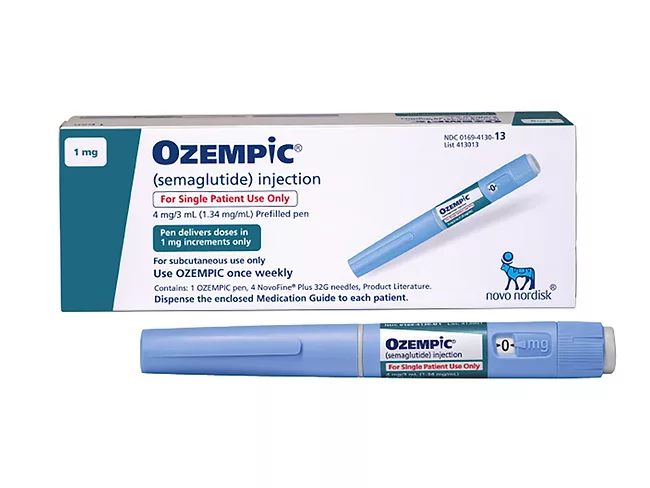
The EMA’s safety committee has issued a warning that the GLP-1 receptor agonist Ozempic (semaglutide, Novo Nordisk A/S) can cause an acute eye condition in which the optic nerve is damaged by a sudden loss of blood supply. After reviewing several large epidemiological studies, clinical trial and in-market data, EMA’s Pharmacovigilance Risk Assessment Committee has concluded non-anterior ischemic optic neuropathy is a “very rare” side effect of Ozempic, that “may affect up to one in 10,000 people taking semaglutide.
The EMA has issued a new guideline on how to include and/or retain pregnant and breastfeeding women in clinical trials, in a move that it says “marks a change in the paradigm.” The aim is to ensure that trial sponsors generate robust clinical data in these populations.
Ascletis Pharma Inc.’s once-daily oral fatty acid synthase inhibitor, denifanstat, demonstrated statistically significant and clinically meaningful improvements compared to placebo, meeting all primary and secondary endpoints in a phase III trial for moderate to severe acne vulgaris.

 RSS
RSS