Dewpoint Therapeutics Inc. and Mitsubishi Tanabe Pharma Corp. have entered a research collaboration worth up to $480 million to advance Dewpoint’s novel TDP-43 small-molecule condensate modulator for amyotrophic lateral sclerosis. Under terms of the deal, Boston-based Dewpoint will receive an undisclosed up-front payment and is eligible to receive R&D-based milestone payments up to $480 million. Upon reaching those milestones, Osaka, Japan-based MTPC will have an exclusive option to license the program and assume responsibility for global clinical development and commercialization. Dewpoint will also receive tiered royalties on net sales.
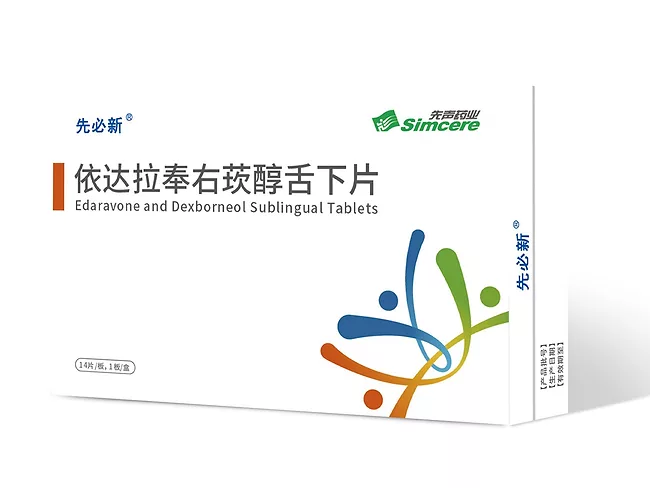
China’s National Medical Products Administration (NMPA) granted new approvals to several Chinese biopharmaceuticals this week, including expanding indications of four different cancer drugs and clearing one sublingual tablet for stroke.
Novartis AG lost its bid, at least for now, to delay generic competition to its blockbuster heart drug, Entresto (sacubitril, valsartan), on the basis of patent infringement.
Elevar Therapeutics Inc. will license Relay Therapeutics Inc.’s “NDA-ready” bile duct cancer therapy, lirafugratinib (RLY-4008), through a potential $500 million deal as Elevar, an HLB Co. Ltd. subsidiary, seeks to diversify its oncology portfolio following the U.S. FDA rejection of its liver cancer drug candidate in May.
Shares of Relmada Therapeutics Inc. (NASDAQ:RLMD) plummeted 77% to close at 63 cents Dec. 4 after a pre-planned interim analysis prompted the independent data monitoring committee to conclude the phase III Reliance II study testing REL-1017 in major depressive disorder is likely to fail, leaving the future of the NMDA receptor channel blocker in doubt while the company looks ahead to an earlier-stage psilocybin-based program targeting metabolic disease.
The congressional finger-pointing at pharmacy benefit managers (PBMs) continues. The latest singling out is in a bipartisan letter from four House members calling on the U.S. Department of Justice to investigate and hold PBMs accountable for the role they played in the nationwide opioid crisis.
Following a late-cycle review meeting with the U.S. FDA in September and the agency’s decision to skip the advisory committee meeting, expectations were high heading toward the PDUFA date for Applied Therapeutics Inc.’s priority NDA for govorestat in galactosemia. So the complete response letter issued by the FDA just ahead of the Nov. 28 PDUFA date, citing deficiencies in the clinical application, caught nearly everyone off guard.
The U.S. District Court for the Northern District of California ordered Lorik Papyan, who pleaded guilty three years ago to one count of unlicensed wholesale distribution of prescription drugs, to pay Gilead Sciences Inc. nearly $32 million in restitution to cover lost profits due to a counterfeit HIV drug scheme he was involved in.
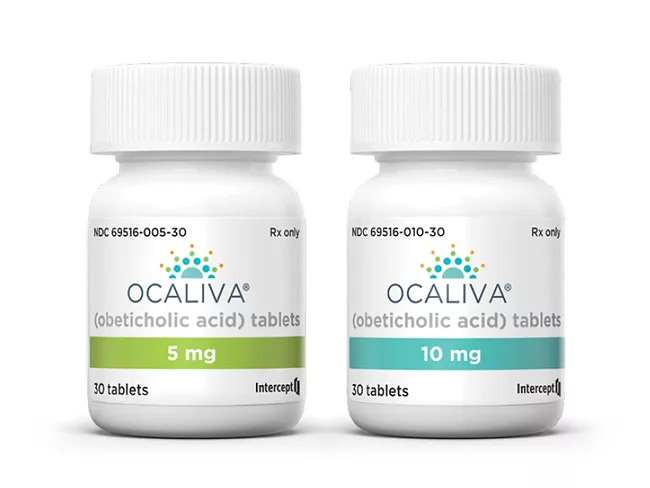
The conditional marketing approval for Ocaliva (obeticholic acid) has been revoked with immediate effect, following a standoff between the EMA and Advanz Pharma Ltd., the company that markets the primary biliary cholangitis (PBC) therapy in Europe. On Sept. 5, London-based Advanz won a short reprieve after challenging the EMA’s June 28 ruling that the marketing authorization for Ocaliva should be revoked, when the General Court of the EU granted a temporary suspension of EMA’s decision. However, on Nov. 27, Advanz announced the court had said it would not be extending the suspension.
The Alzheimer’s disease (AD) space took another blow along with the shares of Cassava Sciences Inc. (NASDAQ:SAVA), which plummeted by 83.8%, or $22.19, to end Nov. 25 at $4.30 after the firm unveiled top-line data from the phase III Rethink-Alz study with simufilam. The study tested simufilam in mild to moderate AD, where results fell short of each of the prespecified co-primary, secondary and exploratory biomarker endpoints.
 RSS
RSS