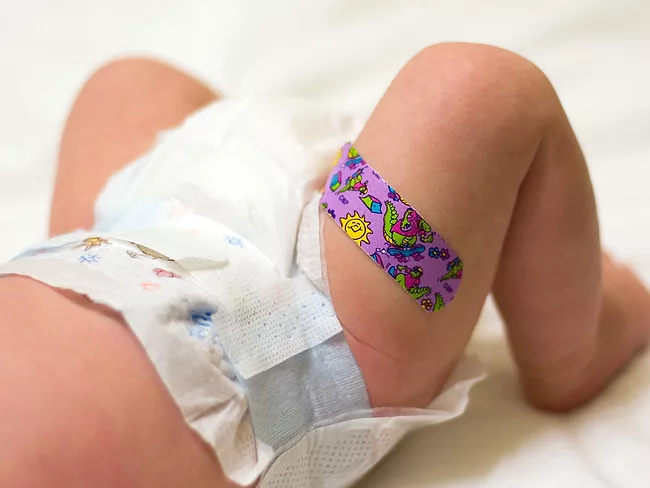
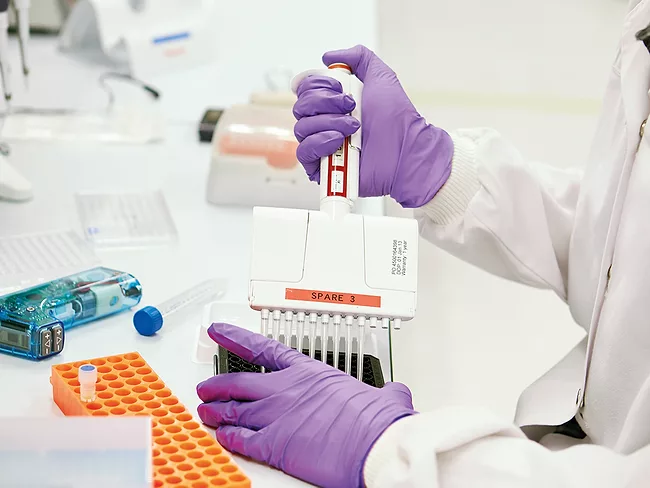
Osivax SAS secured €10 million (US$10.5 million) in research funding from Bpifrance to maintain the momentum of its putative universal influenza vaccine program, which is currently undergoing phase II trials.
While the biopharma industry was widely praised for its fast response to the COVID-19 pandemic, moves are afoot to ensure that the world is better prepared in case another pandemic hits. Moderna Inc. was one of the companies that blazed a trail in the early stages of the pandemic with its revolutionary mRNA vaccine. Now the firm is investing in manufacturing and R&D in the U.K. to make good on a pledge to respond to the next global disease threat within 100 days of its detection.
Afrigen Biologics (Pty) Ltd. is teaming up with two Belgian firms to co-develop and produce an mRNA-based COVID-19 vaccine intended for distribution throughout Africa. It’s an open question whether the vaccine will actually contribute to the present pandemic response, given the timelines involved in both validating the production facility that will produce the end product and in running the necessary trials in order to gain approval.
New data from the phase I study of Ultimovacs ASA’s lead candidate showed positive two-year overall survival data for the cancer vaccine. UV-1, combined with the checkpoint inhibitor Keytruda (pembrolizumab, Merck & Co. Inc.) for treating malignant melanoma, demonstrated a 24-month survival rate of 73% in all 30 patients in the study.
Instead of “Mother, may I” for COVID-19 vaccines for children 6 months through 5 years of age, the U.S. CDC is saying the correct response is “I should.” That was the recommendation June 18 from the CDC’s Advisory Committee on Immunization Practices. CDC Director Rochelle Walensky wasted no time in endorsing the recommendation, which came just a day after the FDA authorized the vaccines from Moderna Inc. and Pfizer Inc.-Biontech SE for babies, toddlers and preschoolers.
Just days after U.S. FDA advisors unanimously backed use of both the Moderna Inc. and Pfizer Inc.-Biontech SE COVID-19 vaccines in children 6 months and older, the FDA has expanded emergency use authorizations for the products. Availability could follow as soon as June 21, after a meeting of the CDC’s ongoing Advisory Committee on Immunization Practices, wraps up June 18.
After a two-day session of the FDA’s Vaccines and Related Biologic Products Advisory Committee, the U.S. is within days of a long-awaited milestone of having not just one but at least two vaccines available for nearly every American. The VRBPAC voted unanimously, 21-0, June 15 to support amending the emergency use authorizations for both the Moderna Inc. and Pfizer Inc.-Biontech SE COVID-19 mRNA vaccines to allow their use in children 6 months and older.
A lot of eyes are on the World Trade Organization (WTO) Ministerial Conference taking place in Geneva June 12-15, as member countries try to reach a consensus on a proposal that would allow certain members to waive intellectual property (IP) rights on COVID-19 vaccines for at least three to five years.
Sanofi SA and GSK plc were beat to market during the first wave of COVID-19 by vaccines from upstarts such as Biontech SE and Moderna Inc. – but the French and U.K. vaccine specialists are gaining traction in the race to develop booster shots against newer variants.
The EMA has a list and it’ll be checking it frequently to avoid shortages with the help of COVID-19 marketing authorization holders and EU members states.

 RSS
RSS