Moderna Inc. will soon find out if the tumult-ridden U.S. FDA’s switcheroo in mid-February will stick regarding mRNA-1010, a prospective new seasonal influenza vaccine. The Vaccines and Related Biological Products Advisory Committee on June 17 takes up the matter of the shot, which trails a curious history.
Backers of Boston-based Elicio Therapeutics Inc. may have jumped the gun as they ran away from the firm after data were made public from the phase II Amplify-7P study testing ELI-002 7P in adjuvant KRAS-mutation-driven pancreatic ductal adenocarcinoma (PDAC) following standard locoregional therapy. Wainwright analyst Robert Burns said the results are “more nuanced than they appear” and the sell-off represents “an attractive entry point” for investors. Shares (NASDAQ:ELTX) closed June 15 at $4.08, down $10.77, or 72%, in the wake of news that the trial missed the pre-specified primary endpoint of disease-free survival (DFS) in the intent-to-treat population.
Nearly a year after Health and Human Services Secretary Robert Kennedy announced the U.S. was cutting off funding for Gavi, a global vaccine alliance, Secretary of State Marco Rubio said his department is reengaging with the organization in light of the ongoing Ebola outbreak in central Africa. In testifying before a June 2 Senate Foreign Relations Committee hearing, Rubio said the State Department made the decision to reengage a few weeks earlier with Gavi. He provided no detail of what that engagement looks like.
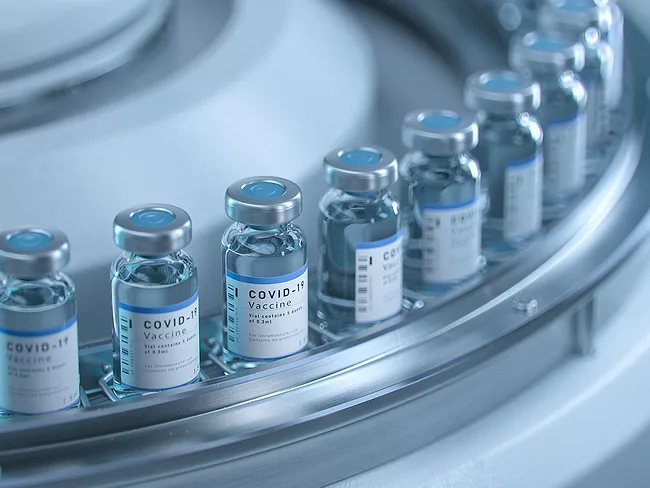
Landing on the right COVID-19 vaccine formulation for the coming season is becoming more complicated against a backdrop of low vaccination rates, young children with little to no immunization, declining surveillance data and a new SARS-COV-2 lineage slowly emerging.
What would normally be a routine meeting of the FDA’s Vaccines and Related Biological Products Advisory Committee May 28 may be more carefully watched given the overall turmoil surrounding vaccines in the U.S. The only task before the adcom is to recommend the COVID-19 vaccine formula for the upcoming season. That conversation will include looking at the effectiveness of the four FDA-approved vaccines currently in use in the U.S.
Less than two weeks after the outbreak was officially declared, animal studies of a newly designed vaccine against the Bundibugyo Ebola virus are now underway in the U.S. and U.K., and the Serum Institute of India is standing ready to manufacture the vaccine for clinical trials. If the animal tests are positive, the vaccine will be ready for clinical trials in two to three months.
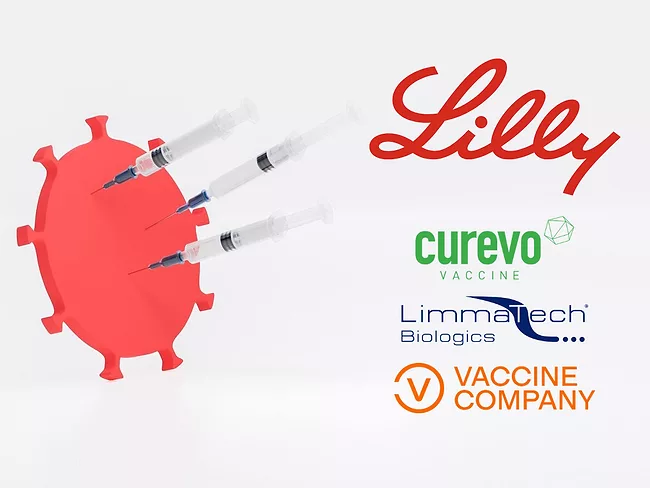
As the most active biopharma acquirer of 2026, Eli Lilly and Co. offered to buy three vaccine companies for up to $3.8 billion combined, while it simultaneously released positive early clinical results of a gene editing medicine brought into the fold last year through its buyout of Verve Therapeutics Inc.
It’s back to the drawing board for the U.S. CDC’s Advisory Committee on Immunization Practices (ACIP). After a year of Health and Human Services Secretary Robert Kennedy gutting the panel and restocking it mostly with people who share his views on vaccines, the CDC published a notice in the May 19 Federal Register saying it’s withdrawing the amended ACIP charter renewal issued April 6 and is instead “re-establishing” the committee.
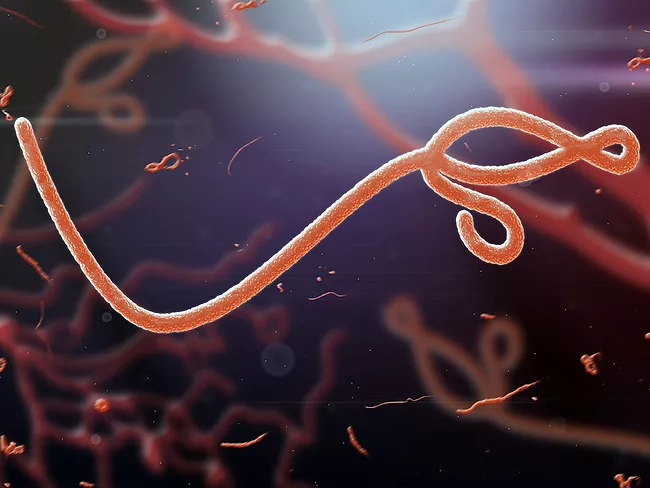
On Sunday, May 17th, 2026, the World Health Organization classified the ongoing Bundibugyo ebolavirus outbreak in the Democratic Republic of Congo (DRC) as a public health emergency of international concern (PHEIC). The rapid escalation to PHEIC is due to several factors. Given the high number of cases, the outbreak has likely been going undetected for some time, and may be a “much larger outbreak than what is currently being detected and reported, with significant local and regional risk of spread,” according to the WHO statement. The outbreak appears to already have crossed the border from the DRC into Uganda at least twice. And all this is happening with a virus for which there are no approved treatments or vaccines.
The threat posed by the Ebola outbreak in the Democratic Republic of Congo has intensified, with the confirmation that it is caused by the Bundibugyo species of the virus, for which there are no approved vaccines or antiviral therapies. At the same time, the high positivity rate, with eight laboratory confirmed cases out of 13 samples collected in various areas, and more reports of suspected cases and clusters of deaths, all point to a potentially much larger outbreak than currently is being detected and reported.
 RSS
RSS