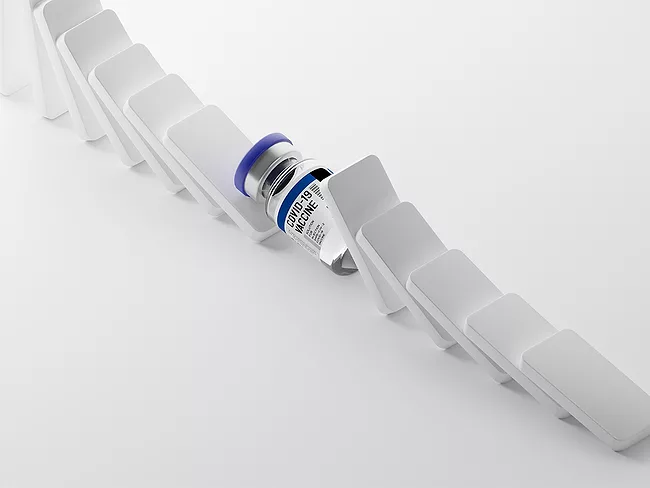
BioWorld’s 2022 end-of-year highlights included a toast to the future – of universal vaccines. Even before SARS-CoV-2 vaccines were developed in record time and saved countless lives during the COVID-19 pandemic, vaccines were a rare bright spot in the fight against infectious diseases. Bacteria are becoming multidrug resistant far faster than new classes of antibiotics are being developed, viral spillover events and vector ranges are increasing, and climate change is helping bacteria and fungi alike breach human thermal protections against infections.
Advances in antiretroviral therapy (ART) now allow people living with HIV to lead normal lives with undetectable and nontransmissible levels of the virus in their blood. Yet that reality is limited to those with access to treatment. More than 40 million people worldwide live with HIV, with over a million new infections and hundreds of thousands of deaths each year, underscoring that major challenges remain.
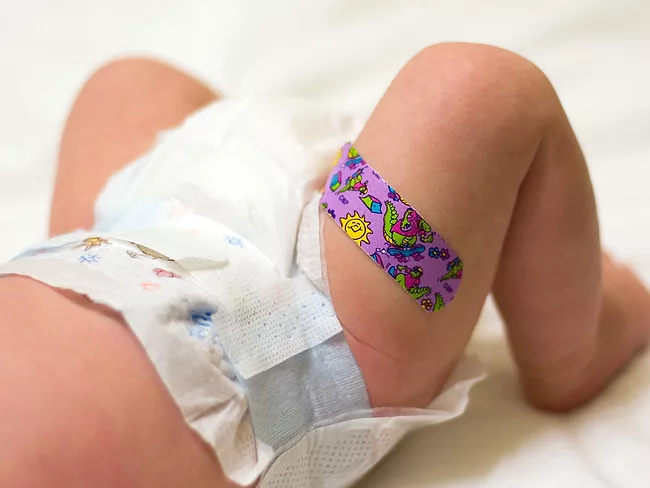
The U.S. CDC has adopted the recommendations of its Advisory Committee for Immunization Practices (ACIP) regarding the hepatitis B virus (HBV) vaccine scheduling for infants, determining that immunization should be an individual-based decision rather than the universal birth dosing practice that has been in place for the past 30 years.
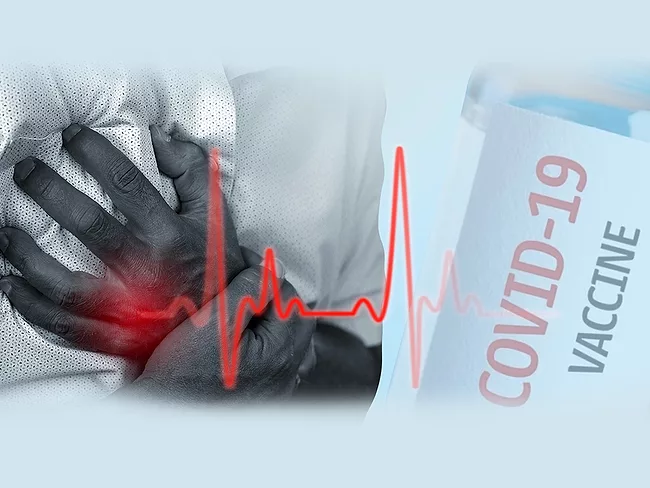
The cardiomyositis that is a rare adverse effect of mRNA-based COVID vaccines is due to immune cell activity as a result of increased levels of the chemokines CXCL10 and interferon-γ (IFN-γ). Blocking CXCL10 and IFN-γ could prevent muscle cell damage in cell culture, and cardiomyositis in animal models. The findings, reported in the Dec. 10, 2025, issue of Science Translational Medicine, suggest a way of mitigating the risk of cardiomyositis.
Restricting the recommended use of COVID-19 vaccines in the U.S. wasn’t enough. Now the Children’s Health Defense (CHD) is trying to get the FDA to revoke the BLAs for all versions of the Moderna Inc. and Pfizer Inc.-Biontech SE COVID-19 vaccines.
As the systematic dismantling of the U.S. vaccine schedule escalates, the demands to hold Health and Human Services Secretary Robert Kennedy accountable are growing. Claiming that Kennedy has turned his back on science and is endangering public health, Rep. Haley Stevens, D-Mich., formally introduced articles of impeachment against him Dec. 10 for “high crimes and misdemeanors.” Under the Constitution, federal officials can only be impeached for treason, bribery and “other high crimes and misdemeanors.”
Researchers at the Institut Pasteur have developed a vaccine that spurred the production of autoantibodies to immunoglobulin E antibodies, protecting vaccinated mice from anaphylaxis.
Individual liberty and choice vs. wider public health became one predictable hinge upon which swung the often-acerbic debates at the CDC’s Advisory Committee for Immunization Practices (ACIP) meeting, which took up – again – the matter of hepatitis B virus (HBV) vaccine scheduling, a day after the panel voted not to vote on such guidance.
“Do not take us backwards,” many doctors and other stakeholders implored the CDC’s Advisory Committee for Immunization Practices ahead of its meeting that starts Dec. 4 with a day-long discussion and votes on whether the current recommended birth dose of the hepatitis B virus vaccine should be delayed.
U.S. Health and Human Services Secretary Robert Kennedy continued his last-minute musical chairs ahead of the Dec. 4-5 meeting of the Advisory Committee for Immunization Practices (ACIP) when he named Kirk Milhoan as the new chair of the panel that advises the CDC on vaccine schedules.
 RSS
RSS