Arcturus Therapeutics Inc. has obtained an award for up to US$63.2 million from the Biomedical Advanced Research and Development Authority (BARDA) to expand its current influenza vaccine program to include development of a pandemic influenza vaccine based on its proprietary self-amplifying mRNA platform.
Ocean Biomedical Inc., a company with preclinical programs in oncology, fibrosis, infectious disease treatments and vaccines, is poised to go public via a merger with Aesther Healthcare Acquisition Corp., a special purpose acquisition company (SPAC).
Right on cue, the U.S. FDA authorized bivalent COVID-19 vaccines from Moderna Inc. and Pfizer Inc.-Biontech SE to be given as boosters at least two months following a primary vaccine series or a previous booster. “These updated boosters present us with an opportunity to get ahead of the next wave of COVID-19,” FDA Commissioner Robert Califf said, following the Aug. 31 announcement.
Astrivax BV has raised €30 million (US$30.1 million) in a seed round to take forward the development of a novel vaccine technology that combines a plasmid vector with a replication-competent virus.
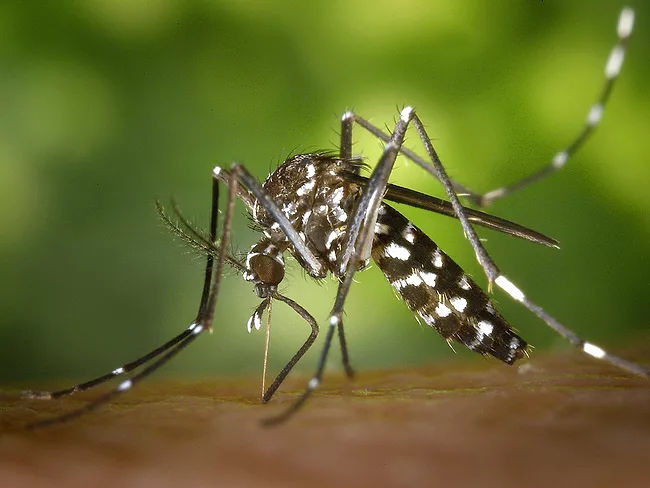
Takeda Pharmaceutical Co. Ltd.’s dengue fever vaccine, Qdenga, was approved in Indonesia Aug. 23, making it the first global approval for the tetravalent vaccine. The approval marks Takeda’s first marketed vaccine outside of Japan. Indonesia’s National Agency for Drug and Food Control approved the vaccine for prevention of dengue disease caused by any serotype in individuals 6 years to 45 years of age.
Three of the biggest COVID-19 vaccine developers are heading into a legal battle. Moderna Inc. said it has filed lawsuits alleging the Pfizer Inc.-Biontech SE Comirnaty vaccine infringes patents Moderna filed between 2010 and 2016 that cover its mRNA technology. Pfizer and Biontech “unlawfully” copied the technology without permission, according to Moderna.
Takeda Pharmaceutical Co. Ltd.’s dengue fever vaccine, Qdenga, was approved in Indonesia Aug. 23, making it the first global approval for the tetravalent vaccine. The approval marks Takeda’s first marketed vaccine outside of Japan. Indonesia’s National Agency for Drug and Food Control approved the vaccine for prevention of dengue disease caused by any serotype in individuals 6 years to 45 years of age.
Moderna Inc.’s and Pfizer Inc.-Biontech SE’s COVID-19 bivalent boosters could be coming to the U.S. in the first week or so of September – even though the U.S. FDA just received the completed emergency use authorization (EUA) requests for the vaccines this week. The CDC is already taking pre-orders from providers, states and other jurisdictions for the yet-to-be authorized booster doses as part of its fall-winter booster campaign strategy. It also scheduled a Sept. 1-2 meeting of its Advisory Committee for Immunization Practices, signaling that it expects the FDA to grant the EUAs by the end of August.
While other COVID-19 vaccine makers are developing bivalent boosters comprising the original SARS-CoV-2 strain and an omicron variant, Russia’s Gamaleya National Research Center of Epidemiology and Microbiology is trekking a different course. Leaving behind the ancestral strain, Gamaleya’s next generation of the Sputnik V vaccine has been specifically adapted against delta and omicron variants of the coronavirus.
It’s been a patchy year for vaccine specialist Valneva SE, in which it saw European orders for its delayed
COVID-19 vaccine dry up but then received a €90.5 million (US$92.1 million) investment from Pfizer Inc. as its Lyme disease vaccine entered phase III. The firm has now hit another setback after the U.S. Department of Defense decided not to take an option for a second year in contract to supply a Japanese encephalitis vaccine, Ixiaro.

 RSS
RSS