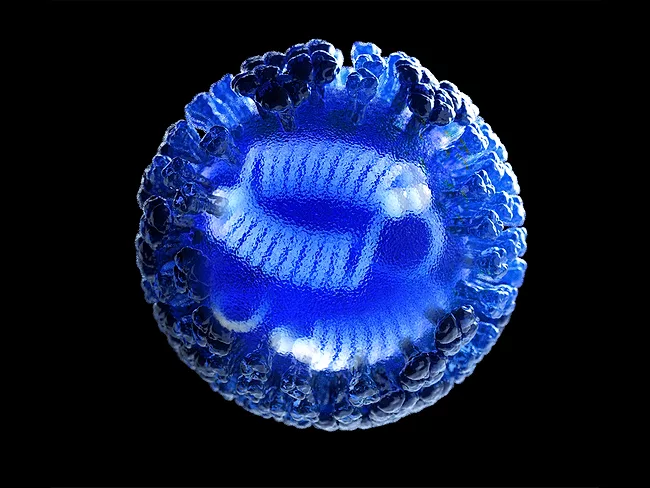
Finding a vaccine that provides universal protection against seasonal influenza remains a public health priority. Although influenza neuraminidase (NA) undergoes slower antigenic changes than hemagglutinin (HA) and therefore constitutes a desirable vaccine target, NA standalone vaccination strategies present a limited breadth of NA immunity.
Aim Vaccine Co. Ltd. priced an IPO on the Hong Kong Stock Exchange, raising HK$70.01 million (US$9 million) to fund work on its late-stage vaccine pipeline. Its shares increased only 3.09% on debut Oct. 6 but closed the week at HK$24.80, up 54% over its listing price of HK$16.16.
CEPI, the Coalition for Epidemic Preparedness Innovations, will provide seed funding of up to $4.8 million to Intravacc BV to advance the development of a broadly protective betacoronavirus vaccine candidate, which can be delivered intranasally.
Intravacc BV has been awarded a contract by the National Institute of Allergy and Infectious Diseases (NIAID), part of the National Institutes of Health (NIH), for the development of a prophylactic intranasal vaccine against Neisseria gonorrhoeae (NG), the cause of the sexually transmitted disease gonorrhea.
Three months after agreeing to an intellectual property waiver for COVID-19 vaccines, World Trade Organization (WTO) members are discussing expanding it to therapies, diagnostics and devices used in preventing, diagnosing and treating COVID-19 infections.
Imunon Inc. has reported partial results from an ongoing nonhuman primate study designed to examine the immunogenicity of its proprietary Placcine vaccine (PL-COV). The data support Placcine as a viable alternative to mRNA vaccines.
Three months after agreeing to an intellectual property waiver for COVID-19 vaccines, World Trade Organization (WTO) members are discussing expanding it to therapies, diagnostics and devices used in preventing, diagnosing and treating COVID-19 infections.
Valneva SE is approaching a crucial point with its troubled efforts to develop a COVID-19 vaccine, having announced Sept. 26 it’s in talks with a potential partner for its next-generation jab. The company cautioned the negotiations could take several months and may not succeed. The company’s problems with its COVID-19 vaccine, which is based on an inactivated whole virus, have weighed on its shares (Paris:VLA), which collapsed from a 52-week high of more than €29 (US$28.29) in December 2021 to €5.74 at the close of trading Sept. 26.
What was once effective is now a non-starter. Newly updated guidelines from the World Health Organization (WHO) caution against using the COVID-19 treatments sotrovimab, from GSK plc and Vir Biotechnology Inc., and Regen-Cov (casirivimab + imdevimab), from Regeneron Pharmaceuticals Inc. Omicron, the group said, has rendered the monoclonal antibodies ineffective.
 RSS
RSS