The lack of data surrounding the efficacy of Chinese COVID-19 vaccines against the Delta variant has had many questioning them, especially after a recent study showed that one of those vaccines, Sinovac Biotech Ltd.’s Coronavac, was less effective than Pfizer Inc. and Biontech SE’s Comirnaty in Chile.
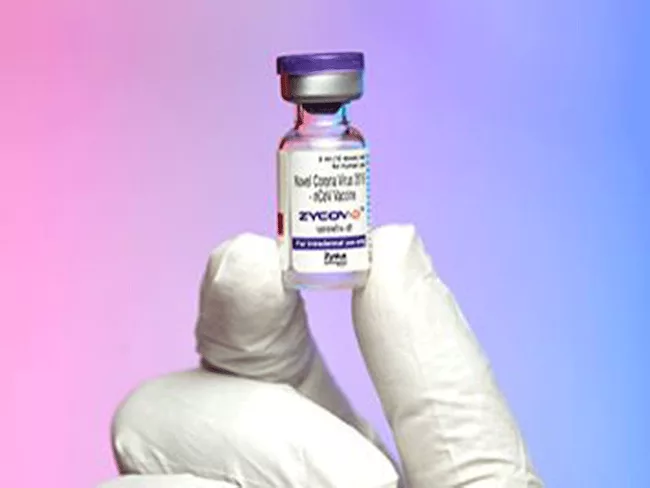
Zydus Cadila Ltd. has applied for emergency use authorization in India for its DNA plasmid COVID-19 vaccine, potentially the first shot of its kind to be approved in humans. The filing for the vaccine called ZyCoV-D will be based on a phase III study showing efficacy of 66.6% for symptomatic disease and 100% efficacy for moderate disease.
As life begins to return to a semblance of normal in many parts of the world, COVAX cautioned countries July 1 against adopting policies that favor specific COVID-19 vaccines.
Zydus Cadila Ltd. has applied for emergency use authorization in India for its DNA plasmid COVID-19 vaccine, potentially the first shot of its kind to be approved in humans. The filing for the vaccine called ZyCoV-D will be based on a phase III study showing efficacy of 66.6% for symptomatic disease and 100% efficacy for moderate disease.
As confirmed cases and deaths from COVID-19 continue their downward slide, biopharma research efforts remain front and center, providing a new therapeutic for emergency use in the U.S. and high-efficacy phase III data for what could become the country’s fourth vaccine and its first protein subunit option.
As life begins to return to a semblance of normal in many parts of the world, COVAX cautioned countries July 1 against adopting policies that favor specific COVID-19 vaccines.
The COVID-19 vaccine from Curevac AG looks far less protective than mRNA-based rivals, according to phase IIb/III data, but the company suggested it could still be approved in younger age groups or supplied to poorer countries at lower cost.
Shares in Altimmune Inc. and Angion Biomedica Corp. were sharply down after the companies announced trial disappointments from a nasal COVID-19 vaccine and two investigational therapies. Altimmune was worst hit, with shares (NASDAQ:ALT) dropping 38% to $9.80 June 30 after announcing its nasal COVID-19 vaccine did not produce enough immune response and axing an immunotherapy trial after encountering problems finding enough subjects.
PERTH, Australia – Australia will be phasing out the Astrazeneca COVID-19 vaccine by October and will rely on Pfizer Inc./Biontech SE and Moderna Inc. vaccines to ramp up lagging vaccination rates.
Shares of Sensei Biotherapeutics Inc. (NASADQ:SNSE) fell 16% to $9.10 on June 29 after an announcement by President and CEO John Celebi that the antigen display technology used in its prior lead candidate, SNS-301, "is suboptimal for use in an active cancer vaccine." A phase I/II trial evaluating it will be discontinued, he said. Now, work on a next-generation vaccine, SNS-401-NG, and the monoclonal antibody SNS-VISTA will take precedence in a portfolio reprioritization at the company, with IND-enabling studies for the anti-VISTA program planned to start by the end of 2021 and for the next-gen vaccine in second half of 2022.

 RSS
RSS