As with many conferences, the Cleveland Clinic’s 2020 Medical Innovation Summit went virtual this year. Still, the event featured the hotly anticipated top 10 list of innovations for 2021 that saw a range of therapies. Ranked in order of expected importance, the list was led by gene therapy for hemoglobinopathies. The top three innovations, including a novel drug for primary-progressive multiple sclerosis and smartphone-connected pacemaker devices, were highlighted in a special presentation.
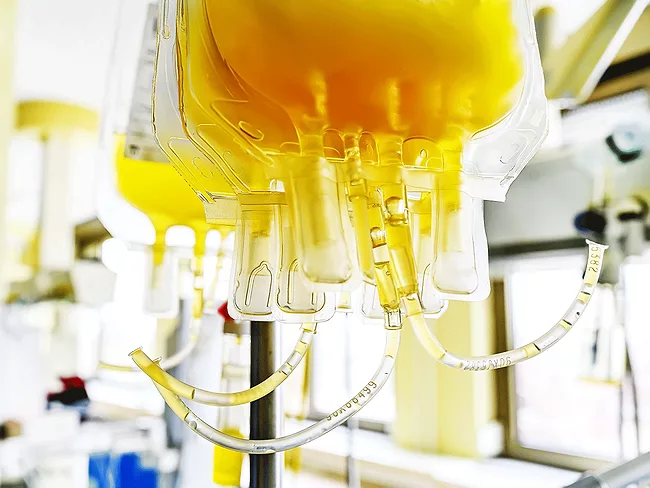
As of Aug. 13, more than 90,000 patients hospitalized in the U.S. with COVID-19 already had been given access to convalescent plasma through a national expanded use protocol (EAP) sponsored by the Mayo Clinic. The FDA’s decision Sunday to grant emergency use authorization (EUA) for the potential therapy will further expand access to convalescent plasma for hospitalized patients throughout the country at a time when fully approved COVID-19 treatments are nonexistent and even EUAs are few and far between.
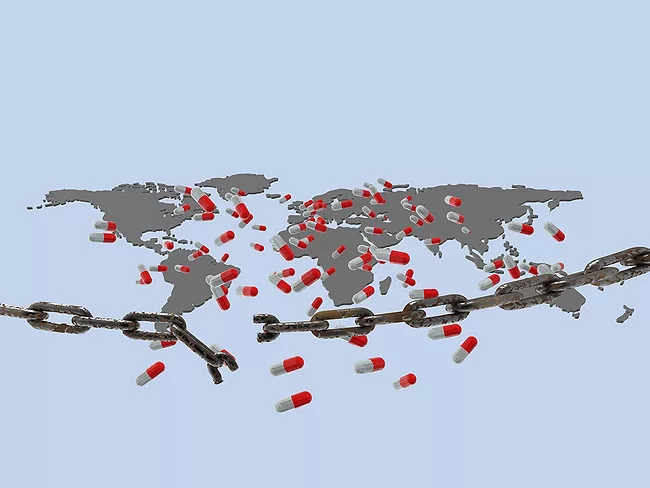
While the U.S. and other countries are looking to step up their own domestic drug and device manufacturing, a bigger takeaway from the COVID-19 pandemic is the need for resilient supply chains that can withstand a global scramble for products suddenly more in demand than the supply can support.
In its first fully virtual markup session, the House Energy and Commerce Committee Wednesday set aside politics to approve a bill that would make the U.S. Strategic National Stockpile (SNS) a better emergency resource – at least for the next few years.
Just the name, Strategic National Stockpile (SNS), evokes the image of a huge warehouse, or a series of warehouses spread across the U.S., strategically stocked with all the medical supplies, diagnostics and drugs that will be needed nationwide to respond to any health emergency brought on by terrorists, nuclear attacks, pandemics or other public health hazards. The reality is so much more – and so much less.
In a step toward what may become the new normal, at least for now, the Pediatric Oncology Subcommittee of the FDA’s Oncologic Drugs Advisory Committee is meeting virtually Wednesday and Thursday to review pediatric development plans for four cancer drugs.
Fidget spinners are hand-held toys based on a roller bearing and three weighted lobes, which can spin freely, creating centrifugal force when activated manually. Generating centrifugal force with a fidget spinner takes neither electricity nor trained staff. And that has suggested to several researchers that such spinners, under the right circumstances, could be used for centrifugation under circumstances where reliably operating a centrifuge, for whatever reason, is a challenge.
Scaling up to manufacture a massive volume of a COVID-19 vaccine, drug or innovative device that’s still in early stage development is easier said than done, especially in a global pandemic that has the supply chain stretched beyond capacity.
“Our window of opportunity is closing. If we fail to develop a national coordinated response, based in science, I fear the pandemic will get far worse and be prolonged, causing unprecedented illness and fatalities,” Rick Bright, former director of the Biomedical Advanced Research and Development Authority, said today as he testified at a House subcommittee hearing on the U.S. response to COVID-19.
The stimulus bill passed by the U.S. Senate March 26 on a vote of 96-0 does more than throw $2.2 trillion into the war against COVID-19. “This is not … a stimulus package. It is emergency relief,” Senate Majority Leader Mitch McConnell (R-Ky.) said on the Senate floor before the vote.

 RSS
RSS