Cefaly Technology sprl reported results from a phase III clinical trial showing that two-hour treatment with its Cefaly Dual external trigeminal nerve stimulation (e-TNS) device is a safe and effective nonpharmaceutical option for acute migraine treatment in a nonhospital setting.
A 2,000-patient U.K. study has been set up to generate real-world evidence of the value of using AI technology to detect bowel polyps (adenomas) during colonoscopy procedures. The aim is to show whether Medtronic plc’s GI Genius system improves the detection of polyps when deployed in both expert centers and non-specialist units, in the routine diagnostic screening of patients referred from primary care or through the national fecal immunochemical testing program.
There has been some skepticism about the value of electronic health records (EHRs) beyond their role as a source of income for EHR developers, but an April 3 presentation at the 2022 America College of Cardiology scientific sessions being held in Washington suggests this type of software offers some real value for heart failure patients. Tariq Ahmad of Yale School of Medicine said a study of EHRs suggests their power lay in part in prompting compliance with heart failure medication regimes, an application of this type of software that can both save lives and cut costs for the Medicare program and Medicare beneficiaries.
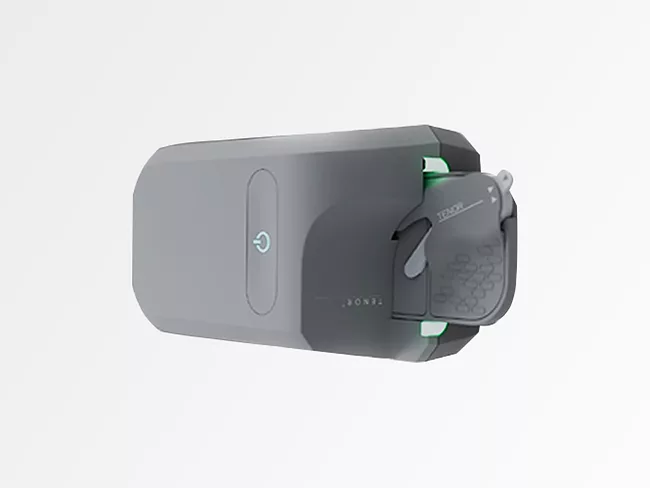
Cardiorenal is advancing a digital solution for chronic kidney disease (CKD) patients with a new seed investment. The Grenoble, France-based startup’s product Tenor attracted $3.7 million from investors to secure regulatory clearance in the U.S. and Europe.
Bringing a new medical device or diagnostic to market has never been a small feat for small companies, and regulatory review is still one of the largest hurdles facing device makers. However, a new report by Boston Consulting Group (BCG) and the UCLA Biodesign program shows that the twin issues of coverage and reimbursement still combine to present the most difficult hurdle to overcome for med-tech companies.
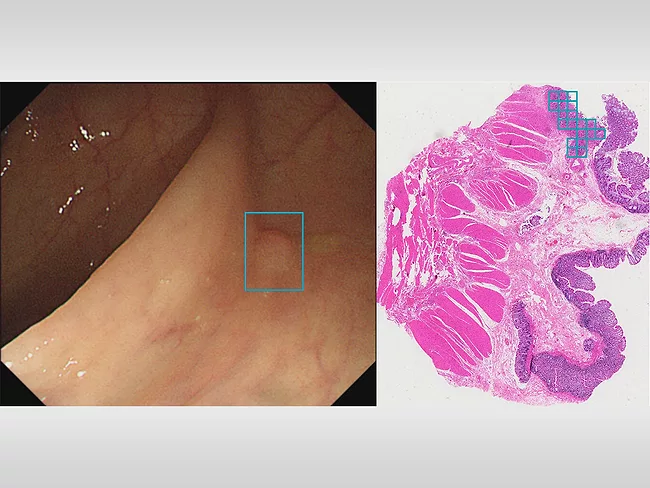
With FDA clearance of its Endoscreener that uses artificial intelligence (AI) to detect polyps during coloscopy procedures, Wision AI Ltd. is expanding its product portfolio to include colorectal histopathology tools.
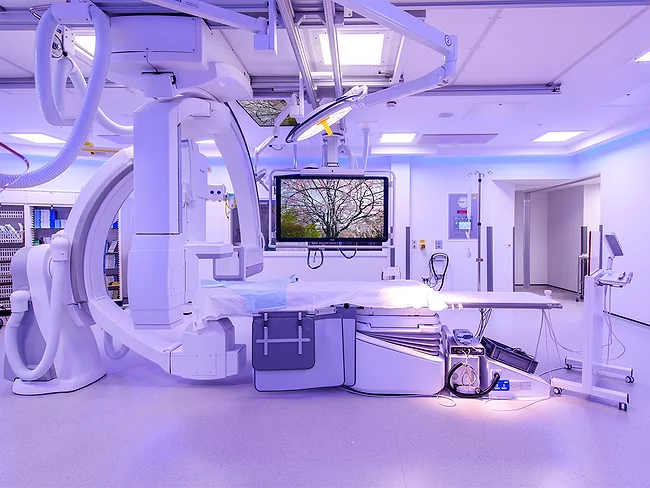
Royal Philips NV launched a new solution, Ambient Experience with Flexvision display, for use in interventional rooms. The system, intended to reduce patient anxiety in the run up to a procedure, is commercially available globally, including in the North American region. According to the company, Ambient Experience connects to its Azurion image-guided therapy system and is designed to enable interventional team members to adapt the room’s ambient lighting and sound to enhance the overall feeling of calm.
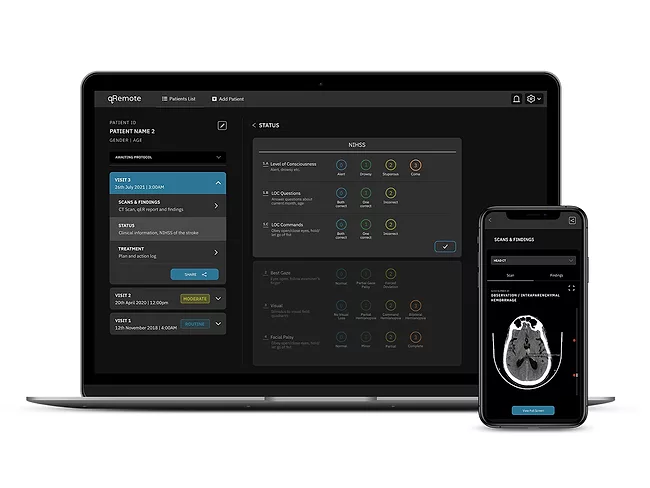
Health tech firm Qure.ai Technologies Private Ltd. has secured a $40 million investment from investors including Novo Holdings and Healthquad to expand its portfolio of automated artificial intelligence (AI)-based imaging diagnostics. The company’s suite of technologies incorporates deep learning and AI to interpret radiology images such as X-rays, CTs, and ultrasounds in less than a minute.
Vivosense Inc. aims to improve clinical trial recruitment and outcomes by developing new digital biomarkers and clinical outcome assessments (COAs) that use data from wearable devices, a goal made a touch easier by its successful completion of a $25 million series A financing round. The company’s platform is designed to detect and rigorously interpret subtle shifts in physiology using body-worn sensors.
Biobeat Technologies Ltd. reported its remote patient monitoring system received FDA clearance to monitor respiratory rate and body temperature. The wireless chest and wrist monitoring device is already cleared for cuffless blood pressure monitoring, blood oxygen saturation and pulse rate. The artificial intelligence platform utilizes a photoplethysmography-based sensor at the surface of the skin that measures volumetric variations of blood circulation.
 RSS
RSS