Sophia Genetics SA shared preliminary findings from its multimodal Deep-Lung-IV clinical study at the 2022 American Society of Clinical Oncology annual meeting. The study is utilizing Sophia’s cloud-based, artificial intelligence diagnostic platform to identify multimodal predictive signatures of response to immunotherapy for patients with advanced lung cancer.
Even as new waves of COVID-19 cause less direct disruption in the delivery of health care, the ongoing pandemic leaves a dramatically altered landscape for medical devices in its wake. The RBC Global Healthcare Conference revealed trends that will continue to reshape the utilization of medical technology and delivery of health care, while industry leaders drilled down into the details in a focused panel discussion. All agreed: the pandemic catapulted telemedicine and remote monitoring ahead five or more years, a hybrid delivery system with greater fluctuations in volume will emerge, devices that facilitate the movement of care out of the hospital to home or outpatient settings will remain in high demand and patient-centered control of health care will continue to attract additional industries into health care markets.
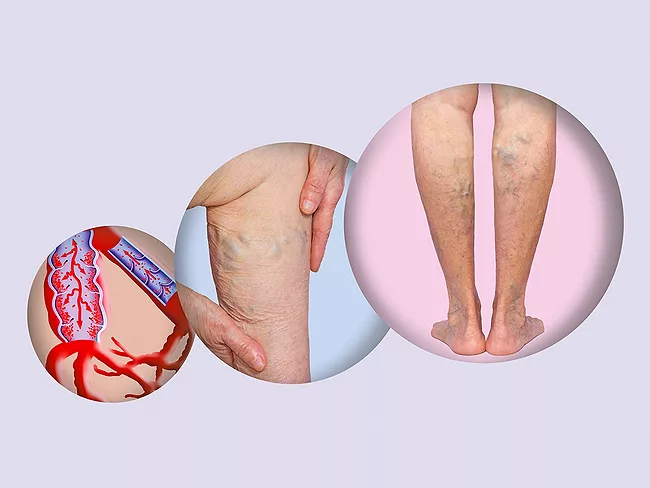
Less than three years after unveiling the first Sonovein device, Theraclion SA is launching its CE-marked, third-generation platform, Sonovein HD. This represents a new generation of robotics platform for noninvasive treatment of varicose veins. The new version integrates the acquisition and analysis of technical data during the procedure.
Otsuka Pharmaceutical Co. Ltd. and Ai-Brainscience Inc. signed an exclusive sales agreement for Japan that will see Otsuka market Ai-Brainscience’s eye-tracking application to test for cognitive function. The eye-tracking app, AiBS-01, could become the first dementia diagnosis application to receive regulatory approval in Japan. Ibaraki, Japan-based Ai-Brainscience (AiBS) is developing devices that use the eye-tracking based cognitive assessment test to detect early dementia beyond the conventional assessment methods performed by specialists.
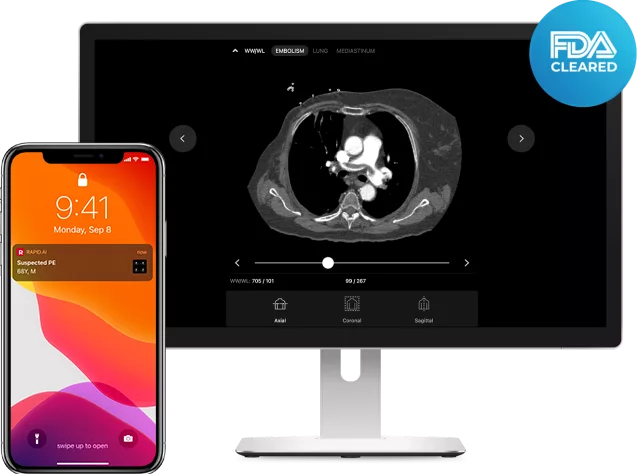
The transformation of cardiology continues with two U.S. FDA actions to promote the use of artificial intelligence (AI): a 510(k) clearance for Rapidai Inc.’s pulmonary embolism (PE) triage and notification product and breakthrough device designation for Anumana Inc.’s pulmonary hypertension (PH) early detection algorithm.
Primary care doctors in England have been told by the National Institute for Health and Care Excellence (NICE) to prescribe a digital therapeutic instead of sleeping tablets for patients suffering with insomnia. Sleepio, an app developed by London-based Big Health Ltd. that uses an algorithm to provide personalized cognitive behavioral therapy (CBT), could benefit up to 800,000 people, according to NICE. It is recommending use of the app as an effective alternative to drugs such as zolpidem and zopiclone, after weighing evidence from 28 studies, including 12 randomized controlled trials.
Sidekick Health AB expanded its partnership with Pfizer Inc., adding an atopic dermatitis offering to its integrated digital therapeutics solution. The app will roll out first in the U.K., followed by Belgium, Norway, Netherlands, Sweden, France, Ireland and Japan this year.
Singapore’s Health Sciences Authority (HSA) recently updated its guidelines for software as medical devices (SaMDs) to broaden its scope on a number of related matters. The new guidelines were finalized after an industry input period when the HSA collected feedback until the middle of August 2021. It marks the second revision of HSA guidelines on SaMDs, the first revision was meted out in April 2020.
 RSS
RSS