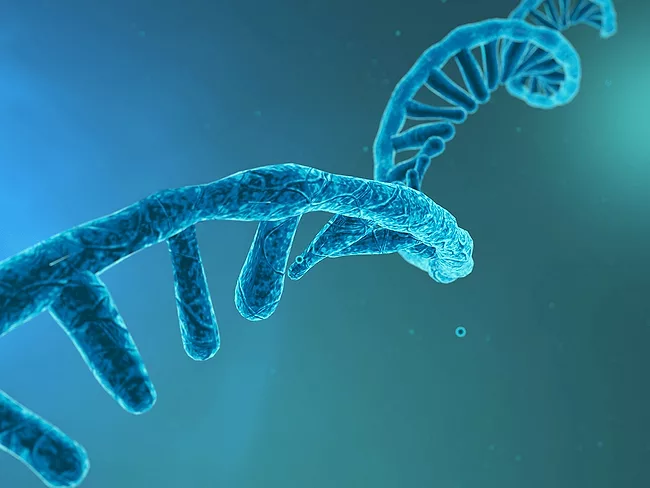
Newco Akribion Therapeutics GmbH has raised €8 million (US$8.3 million) in a seed round to develop a new and potent class of RNA-targeted CRISPR nucleases, which, rather than cleaving specific nucleic acids, can destroy every type of nucleic acid in a cell.
Harness Therapeutics Ltd. has raised fresh financing to further develop its technology for upregulating the translation of mRNA into proteins, and in particular to take on a previously undruggable target in Huntington’s disease.
Newco Linkgevity Ltd. has won backing from the KQ Labs accelerator program at the Francis Crick Institute in London, enabling it to take forward the lead program, an anti-necrotic drug for treating acute kidney injury, and to further develop its AI-driven system for identifying aging-related therapeutic targets. Alongside access to the Crick’s expertise in translational research and in shaping academic science to make it investible, companies joining KQ Labs receive an equity investment.
After raising AU$16.75 million (US$10.4 million) in a series A round, Celosia Therapeutics Pty Ltd. is heading toward the clinic with its novel gene therapy that targets TDP-43, a protein directly linked to amyotrophic lateral sclerosis (ALS) pathology.
Zhongzhi Pharmaceutical Holdings Ltd. made a $3 million investment in a series A financing round of stem cell therapy developer Gabaeron Inc. Dec. 21, expected to help propel Gabaeron’s preclinical Alzheimer’s disease (AD) candidate into phase I testing.
The founding CEO of Alnylam Pharmaceuticals Inc. is now leading the charge with newly launched City Therapeutics Inc., which just completed a $135 million series A financing. City’s executive chair, John Maraganore, will be in familiar territory as the new company plans to develop RNAi-based medicines using next-generation siRNA engineering. He expects dozens of these therapies to reach the market in a relatively short period of time, not just from City Therapeutics but from other companies. It’s a period in the development timeline that he finds reminiscent of the rise and development of monoclonal antibodies.
Booster Therapeutics is ready to open up a new arm of the proteasome after raising $15 million in seed funding to advance small molecules it says can degrade multiple types of harmful proteins. Rather than tagging single disease proteins with a ubiquitin marker for degrading via 26S proteasomes, these compounds directly activate 20S proteasomes that naturally recognize disordered proteins without the need for ubiquitin tagging.
Candid Therapeutics Inc. launched with ex-China control of two bispecific T-cell engager antibodies that it plans to develop for autoimmune diseases. The San Diego-based company will start off with a pocketful of cash, having raised over $370 million for the development of the in-licensed candidates.
Artificial intelligence (AI) drug discovery company Noetik Inc. has closed on an oversubscribed $40 million series A financing round. The company plans to use the money to expand its atlas of human cancer biology with its in vivo CRISPR platform to advance a pipeline of cancer therapeutics to the clinic. In describing its approach, the company said that making a genuine impact on drug discovery requires computational capabilities to understand and simulate disease biology at the patient level, identifying the right targets and matching them with the right therapies.
After sparking further interest from investors after the close of its series A, Vandria SA has extended the round and now has the means to advance its lead mitophagy inducer program as far as phase Ib/IIa development in the treatment of mild cognitive impairment.
 RSS
RSS