Newco Kyron Bio is showing its colors after sealing a research agreement with Servier SA, underpinning a claim that it has overcome one of the longest-running challenges of the biotech industry, and developing technology to precisely control the glycosylation of therapeutic proteins.
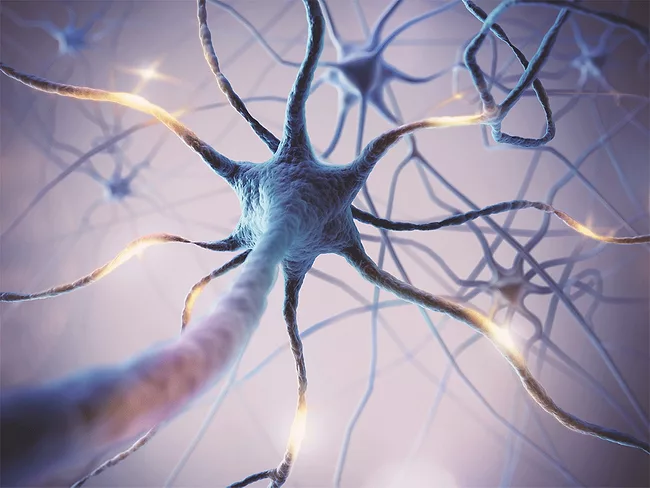
Newco Vesalic Ltd. has formed to take forward research indicating extracellular vesicles secreted by skeletal muscle cells carry toxic payloads that are key drivers of motor neuron diseases, including amyotrophic lateral sclerosis. The discovery of this process, which is largely external to the brain and the central nervous system, has opened up new targeting possibilities, and Vesalic is now working on in vivo studies to demonstrate preclinical proof of concept.
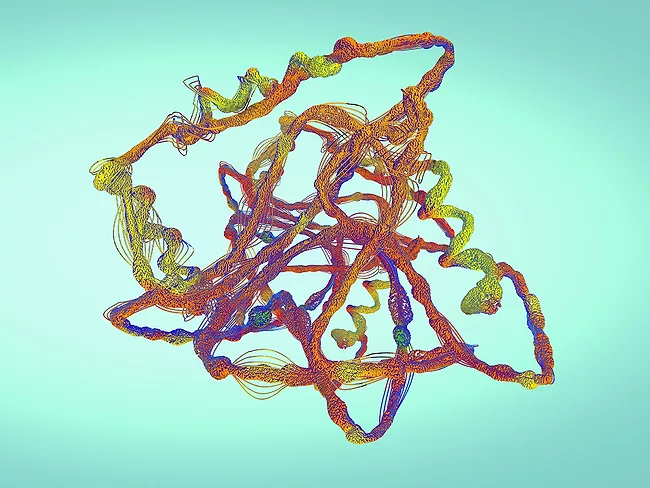
A project that started as a bioreactor to assist astronauts in deep space to keep medications safe in a microgravity environment could help pharma companies model how drugs behave in the human body. Omnigeniq unveiled at the J.P. Morgan Healthcare conference the first computer model of a human protein as it exists in the body, confirming that native protein topology can be calculated directly from physics.
After closing an oversubscribed $85 million series B round, Quantx Biosciences Inc. is gearing up to begin clinical trials of its two lead immunology compounds, a STAT6 oral small-molecule inhibitor and an IL-17 oral small-molecule inhibitor.
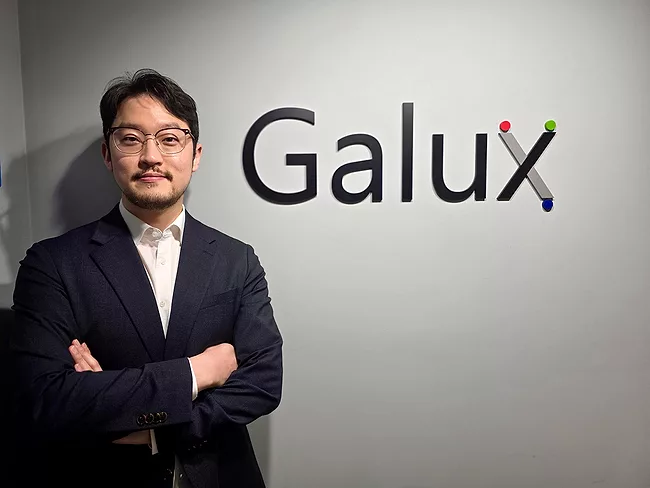
Galux closed a ₩42 billion (US$29 million) series B round Feb. 10, led by Yuanta Investment to bring AI-driven “rational design” to the protein drug development process, already heavily influenced by human engineering.
Newco ALTx Therapeutics Ltd. has launched with a £12.55 million (US$17.1 million) seed round to develop inhibitors of the alternative lengthening of telomeres (ALT) pathway, by which 10% to 15% of cancers become immortal.
After raising AU$29 million (US$19.44 million) in a series A round, Rage Biotech Pty Ltd. is beginning phase I trials of its lead candidate, RB-042, an inhaled splice-switching oligonucleotide for treating chronic obstructive pulmonary disease (COPD) and other inflammatory lung diseases.
Newco Tecregen AG has raised CHF10 million (US$12.5 million) to advance a novel way of regenerating the thymus in order to boost T-cell production and stimulate recovery of the immune system following stem cell transplants and chemo- and radiotherapy.
Bayosthiti AI Pvt Ltd. aims to make RNA sequencing and AI-based preventive health care affordable and accessible for the Indian market, leveraging intellectual property from its parent company, Biostate AI Inc.
Things once done in laboratories can now be done with computers and AI, said Kim Woo-youn, CEO and cofounder of Hits Inc. “We live in the age of ‘digital alchemy,’” Kim told BioWorld, describing how AI is shifting some drug discovery processes from physical to virtual spaces.
 RSS
RSS


.webp?height=488&t=1770931675&width=650 "Interleukin 17 (IL-17)")