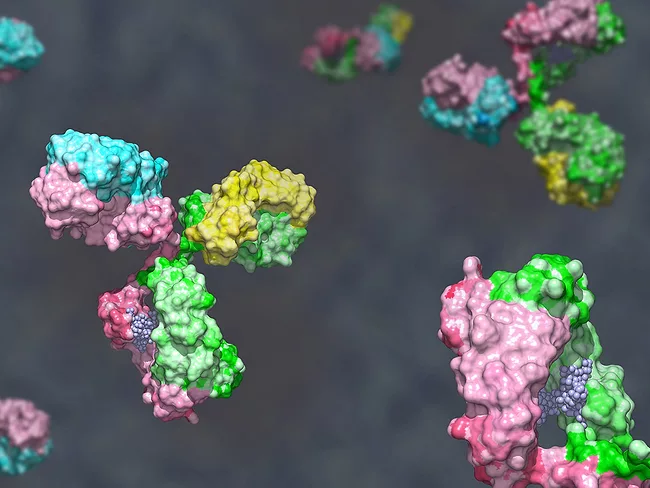
Newco Commit Biologics ApS has arrived on the scene after raising €16 million (US$17.2 million) in a seed round to advance bispecific antibodies that are designed to activate the complement system and direct it to selectively kill cancer cells.
“A white space opportunity.” That’s how Enlaza Therapeutics Inc. co-founder and CEO Sergio Duron described to BioWorld the company’s efforts to develop the first covalent biologics, an endeavor that has gained the backing of an impressive group of investors in a recently closed $100 million series A round.
In one of the biggest startups ever, Xaira Therapeutics has launched with more than $1 billion from investors. The financing, according to BioWorld records, is roughly equivalent to Roivant Sciences Inc.’s $1.1 billion raise in August 2017 and Galderma Inc.’s $1 billion private placement in June 2023. Xaira said it plans to leverage advanced machine learning research and expansive data generation to power new models for developing new therapeutics.
Newco Outrun Therapeutics Ltd. has raised $10 million in a seed round to develop small-molecule E3 ubiquitin ligase inhibitors that prevent programmed protein degradation. The lead program targeting an E3 ligase that tags a tumor suppressor protein for destruction will now advance to preclinical development.
On the heels of a $4.6 million series A round in December 2023, cell therapy company Rxcell Inc. is planning to raise another $15 million in 2024 to take its iPSC-derived photoreceptors to the clinic for retinitis pigmentosa and other degenerative diseases of the retina.
One of the building blocks for newly launched Clasp Therapeutics Corp. is making the right patient choices for treatment. If those who receive the company’s therapy are correctly identified, CEO Robert Ross told BioWorld, it will have a profound effect on outcomes. The missing link in cancer treatment, Ross added, was how to identify a patient, something he said Clasp is able to do.
Asgard Therapeutics AB has raised €30 million (US$32.8 million) in a series A round to advance a novel approach to cancer immunotherapy, in which it is proposed to reprogram cancer cells into functional antigen-presenting dendritic cells in vivo, activating a host immune response against the tumor.
A new spinout from Monash University in Melbourne, Australia, is tackling biology to better understand immune cell function and to find targets that were thought to be undruggable. Onko-innate co-founders Jai Rautela and Nicholas Huntington first worked together at Huntington’s lab at the Walter and Eliza Hall Institute of Medical Research (WEHI) in Melbourne where they studied the role of natural killer (NK) cells in tumor immunology and discovered some interesting regulatory pathways for cytokine responses.
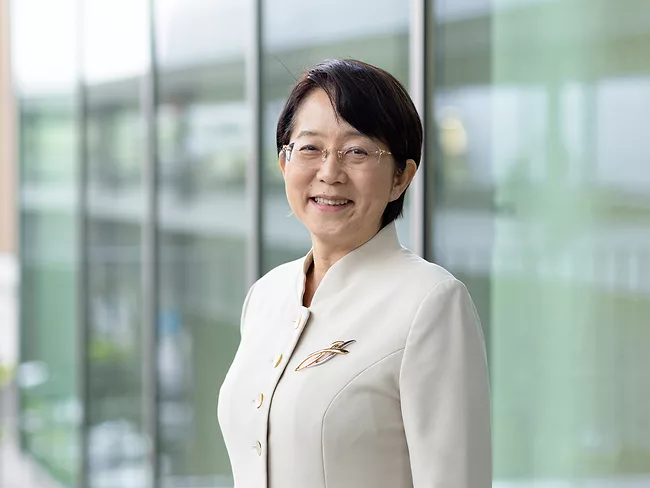
Vision Care Group CEO Masayo Takahashi led the world's first clinical study of a retinal cell transplant derived from induced pluripotent stem cells (iPS cells) in 2014 when she led the Laboratory for Retinal Regeneration at Japan’s Riken Center for Biosystems Dynamics Research. In 2019, she founded Vision Care and subsequently founded two subsidiary companies dedicated to developing cell and gene therapies.
Kynexis BV recently launched with a series A of €57 million (US$62 million) and a lead asset, Kyn-5356, that targets the kynurenine pathway. The company is preparing for clinical trials that will test the compound for the treatment of cognitive impairment associated with schizophrenia.
 RSS
RSS