Actithera A/S is poised to bring small-molecule pharmacokinetics to radiopharmaceuticals after closing a $75.5 million series A that will fund initial clinical development of a candidate targeting the elusive fibroblast activation protein (FAP).
Veritas In Silico Inc. (VIS) entered a joint research agreement with Mitsubishi Gas Chemical Co. Inc. to use VIS’s mRNA structural motif analyzing platform technology, called Ibvis, to develop antisense oligonucleotide drug candidates.
Abvance Therapeutics Inc. secured an undisclosed amount of capital in a seed round led by Zubi Capital to support development of an insulin and glucagon combination product that the company has been in the process of developing for approximately 18 months. “We’re very excited that this round is able to get us positioned for a successful series A once we meet some internal confidential milestones,” Edward Raskin, CEO of Abvance, told BioWorld.
Abvance Therapeutics Inc. secured an undisclosed amount of capital in a seed round led by Zubi Capital to support development of an insulin and glucagon combination product that the company has been in the process of developing for approximately 18 months.
Shanghai Yao Yuan Biotechnology Ltd., also known as Drug Farm, is advancing a portfolio of immune-modulating therapies for various indications including hepatitis B virus, hepatocellular cancer and a relatively new rare genetic disease called ROSAH, an acronym for retinal dystrophy, optic nerve edema, splenomegaly, anhidrosis, and headache.
Shanghai Yao Yuan Biotechnology Ltd., also known as Drug Farm, is advancing a portfolio of immune-modulating therapies for various indications including hepatitis B virus, hepatocellular cancer and a relatively new rare genetic disease called ROSAH, an acronym for retinal dystrophy, optic nerve edema, splenomegaly, anhidrosis, and headache.
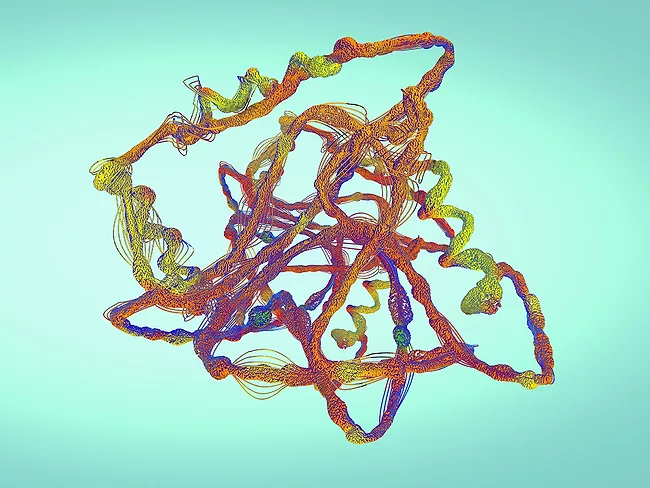
The Alphafold machine learning system for predicting a protein’s structure from its amino acid sequence has been adapted to make it possible to design de novo proteins that fold in a particular way and bind to prespecified target proteins. The sister system, called Alphadesign, works by generating random strings of amino acids, using Alphafold to predict their structure, and then iteratively optimizing the design.
Draig Therapeutics Ltd. launched with a $140 million series A and an AMPA receptor modulator program that has completed phase I and will start a phase II trial in major depressive disorder later in 2025. The series A also will enable the company to advance two small-molecule GABA receptor modulators that have the potential to treat a range of neuropsychiatric disorders, into the clinic in 2026.
The Alphafold machine learning system for predicting a protein’s structure from its amino acid sequence has been adapted to make it possible to design de novo proteins that fold in a particular way and bind to prespecified target proteins. The sister system, called Alphadesign, works by generating random strings of amino acids, using Alphafold to predict their structure, and then iteratively optimizing the design.
Newco Elkedonia SAS has raised €11 million (US$12.7 million) in a seed round, which will fund it to take a potentially first-in-class ELK-1 inhibitor into the clinic in the treatment of refractory depression. ELK-1 plays a pivotal role in neuroplasticity and in reward circuits in the brain, which when disrupted can lead to depression, addiction and post-traumatic stress disorder.

 RSS
RSS