Australia’s Therapeutic Goods Administration (TGA) proposed in July 2023 to develop a framework for audits for premarket device applications, but the Medical Technology Association of Australia (MTAA) registered several concerns about the proposal.
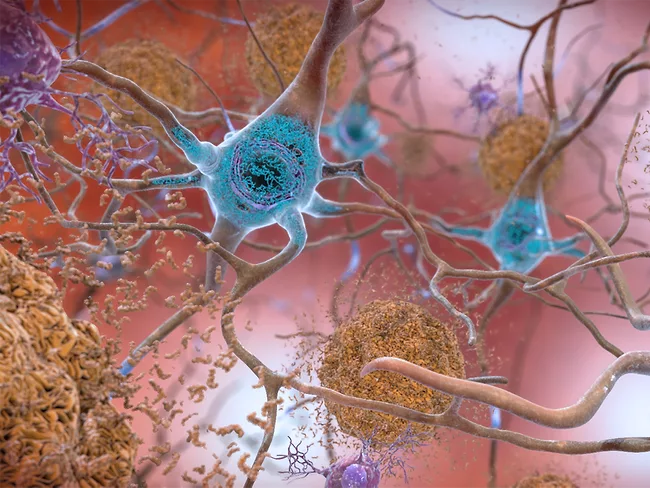
A new cutting-edge blood-based biomarker test developed by researchers at Hong Kong University of Science and Technology can detect early Alzheimer’s disease (AD) and mild cognitive impairment (MCI), with accuracy rates surpassing 96% and 87% respectively, and could be a game changer in detecting and treading early AD.
South Korea’s MFDS gave regulatory clearance to SK Inc. C&C’s artificial intelligence (AI) solution to diagnose cerebral infarction called Medical Insight+ Brain Infarct on Feb. 22, as a class III device.
Sky Labs reported it has more comparative study data to back its ring-type medical device for blood pressure (BP) called CART BP, which CEO Jack Lee noted has the potential to “replace existing blood pressure monitors.” Sky
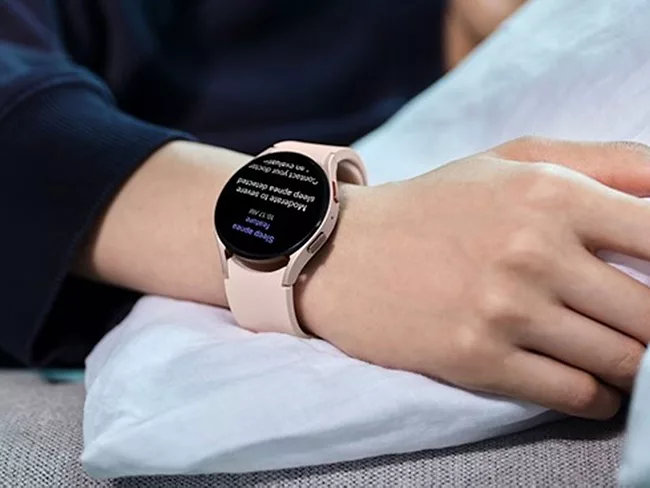
The U.S. FDA approved a new feature for detecting obstructive sleep apnea (OSA) on the Samsung Galaxy watch and smartphone, Samsung Electronics Co. Ltd. said on Feb. 10.
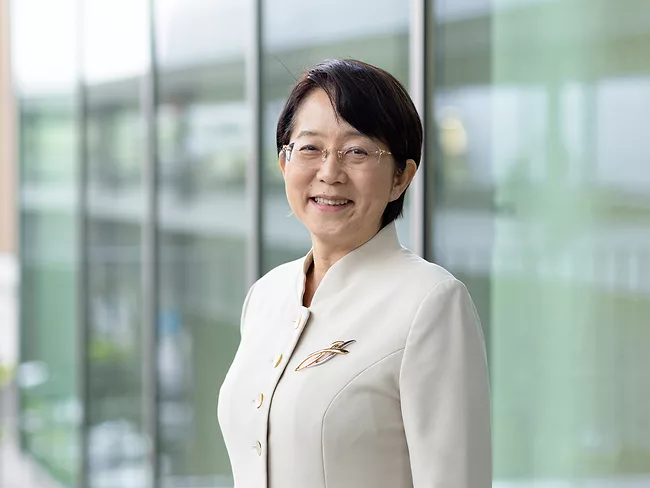
Vision Care Group CEO Masayo Takahashi led the world's first clinical study of a retinal cell transplant derived from induced pluripotent stem cells (iPS cells) in 2014 when she led the Laboratory for Retinal Regeneration at Japan’s Riken Center for Biosystems Dynamics Research. In 2019, she founded Vision Care and subsequently founded two subsidiary companies dedicated to developing cell and gene therapies.
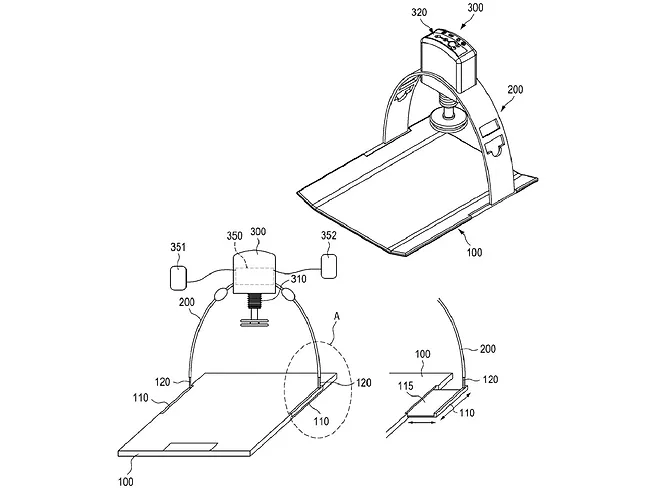
South Korea’s CU Medical Systems Inc. has applied for protection of a system that combines features of a cardiopulmonary resuscitation (CPR) device and an automatic external defibrillator (AED) and uses chest impedance measurements to optimize emergency treatment.
Kakao Healthcare Corp. launched an artificial intelligence (AI)-powered mobile application called PASTA on Feb. 1 for continuous glucose monitoring (CGM)-based diabetes care. PASTA pairs with two types of CGM sensors, either from Seoul-based I-sens Inc.’s Caresens Air or San Diego-based Dexcom Inc.’s G7 system.
The biopharma industry lauded the first steps the Australian government has taken to widen access for drugs and devices via reforms to the current health technology assessment process that has remained unchanged for 30 years.
A new study published by researchers from the Tokyo University of Science (TUS) unveiled a new machine learning-aided, non-invasive imaging framework for rapid liver lipid visualization, which could help diagnose and treat steatotic liver diseases (SLD).
 RSS
RSS