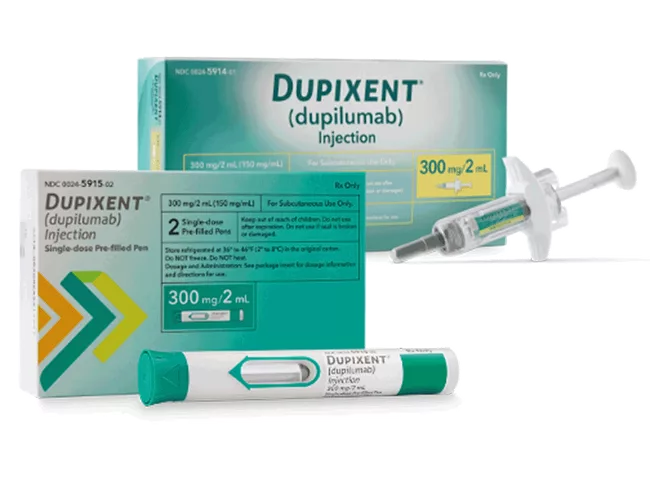
Where European regulatory decisions were concerned, there was good news and bad news for pharma today as Sanofi SA and Regeneron Pharmaceuticals Inc. got the go-ahead for expanded approval of Dupixent (dupilumab) in pediatric atopic dermatitis patients whilst Ipsen SA’s ultra-rare bone disease drug palovarotene was left off the shelf as efficacy data failed to impress.
In the absence of a European framework, industry is stepping up with an initiative to help EU patients cross borders to participate in clinical trials.
Abbvie Inc. and Eli Lilly and Co. Inc. have pulled out of the U.K.’s voluntary pricing scheme for branded drugs in protest at the 26.5% of their revenues they would be required to pay back to the government in 2023.
After years of negotiations, the U.S. FDA and Swissmedic are one step away from recognizing each other’s good manufacturing practice (GMP) inspections of biopharma facilities.
The European Commission is spending €242 million (US$261 million) to create the first rescEU strategic reserve of chemical, biological, radiological and nuclear (CBRN) medical countermeasures.
Biontech SE is piggybacking on the U.K.’s lead in implementing cancer genomics in routine health care to set up a national clinical trial of personalized mRNA cancer vaccines that are based on the mutational landscape of individual tumors.
The EMA will require all new clinical trial applications to be submitted via its clinical trials information system after Jan. 31, 2023, despite pharma companies and other users raising concerns about functionality and technical failures they are experiencing with the system.
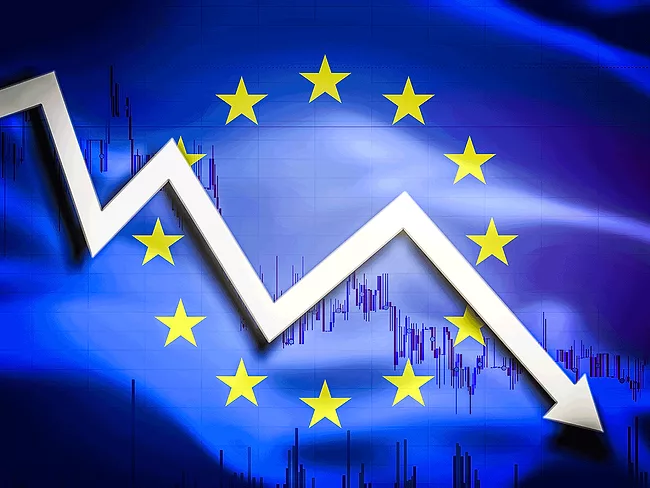
For European biotechnology, 2022 was a year of contraction. Disclosed equity investments in European firms engaged in the discovery and development of therapeutics totaled $6.782 billion, down 55% on the previous year’s record-breaking tally of $15.193 billion. Last year’s tally is the worst performance since 2017 and is well below the totals achieved during the two years immediately preceding the onset of the COVID-19 pandemic, which triggered a boom in biotech investing.
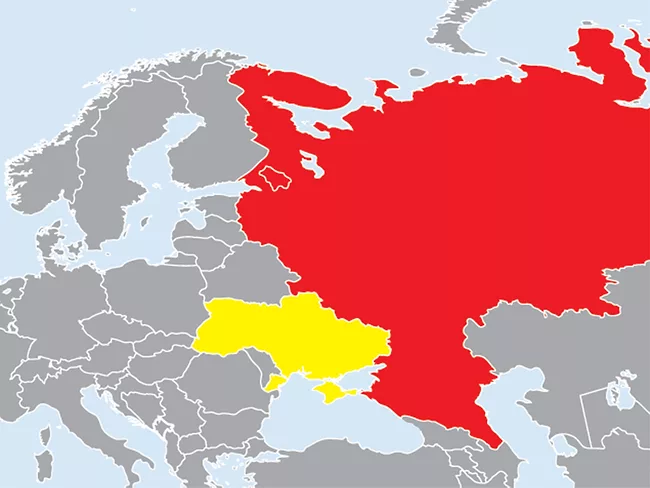
Although the war is still raging in Ukraine, Russia is marching forward with asserting its regulatory framework on health care in the parts of Ukraine it’s claiming as the spoils of the war it started 11 months ago.
It was a year of turmoil in Europe as Russia’s invasion of Ukraine and the fall-out from the COVID-19 pandemic shaped the fortunes of the life sciences industry in 2022. After years of tension, Russia’s attempt to annex Ukraine on Feb. 24 caused outrage and disruption and was unanimously opposed on humanitarian grounds by the life sciences and pharma industry.
 RSS
RSS