In an effort to keep up with the advances being made in manufacturing technologies, the European Commission (EC) is updating its 2007 technical guidance on good manufacturing practices for sterile drugs.
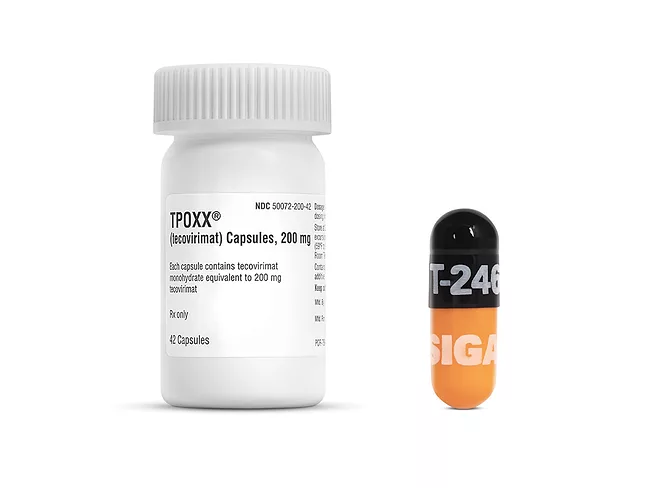
The first randomized placebo-controlled trial assessing the effectiveness of the antiviral drug Tpoxx (tecovirimat) in treating monkeypox has begun in the U.K., with the first patients enrolled on Aug. 21.
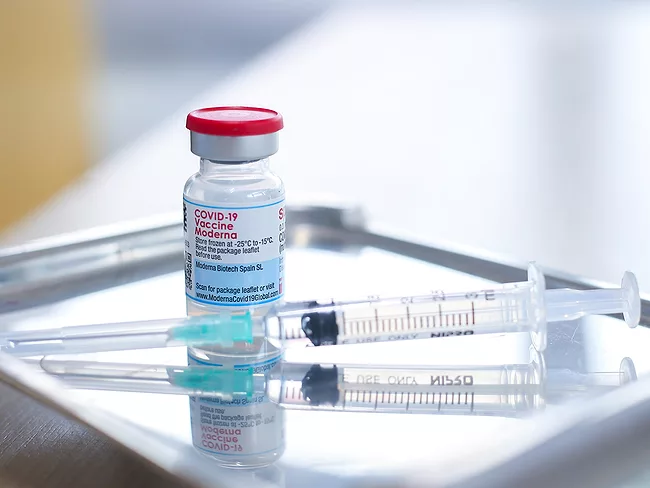
Moderna Inc. has received conditional authorization from the U.K.’s Medicines and Healthcare Products Regulatory Agency for its bivalent COVID-19 booster vaccine mRNA-1273.214 (Spikevax bivalent original/omicron). The conditional approval, which covers adults aged 18 years and older, marks a new phase in the ongoing global effort to curb the COVID-19 pandemic, as the new vaccine represents the first commercial product to incorporate omicron-specific epitopes. It contains 25 micrograms each of the spike proteins of the omicron BA.1 variant and the original Wuhan strain of SARS-CoV-2.
As biopharma and med-tech companies grapple with restrictive data privacy laws in the EU and China while trying to meet the demand for greater diversity reflective of the U.S. population, there’s been more of an interest in conducting clinical trials in the U.S., Stacy Amin, a partner at Morrison & Foerster LLP, told BioWorld.
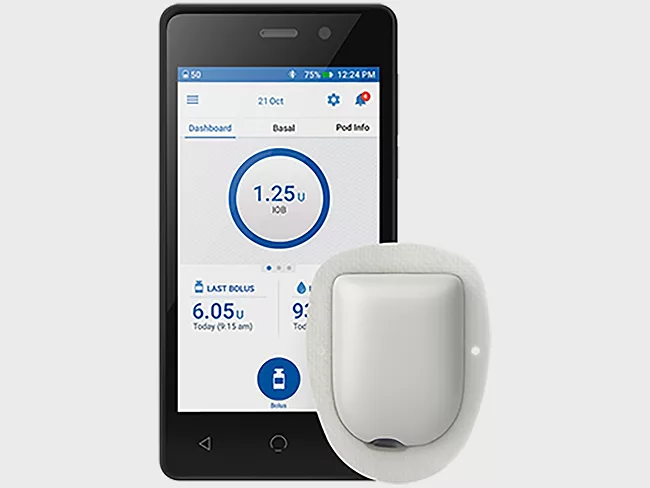
A rash of recent announcements in the diabetes market speak to the brisk pace of developments and keen competition in the field. Dexcom Inc. reported good news in the U.K. and Europe, offset by delays in the U.S., while Insulet Corp. gave investors assurance that it was moving full speed ahead in the release of its Omnipod artificial pancreas system. On the pharma side, Arecor Therapeutics plc signed a contingent agreement to acquire Tetris Pharma Ltd. and commercialize Ogluo in the U.K., E.U. and other countries.
Eurekare SA, a technology commercialization and investment firm, has opened the doors to the first of a number of biotech “studios” it is setting up to hothouse synthetic biology and microbiome companies formed around intellectual property sourced from universities across Europe. It’s the most recent step forward in Eurekare’s ambition of creating a pan-European network for identifying, selecting and nurturing high quality European science in these two fields, which in the opinion of the firm’s founders, is at the same time of very high quality and seriously under-exploited.
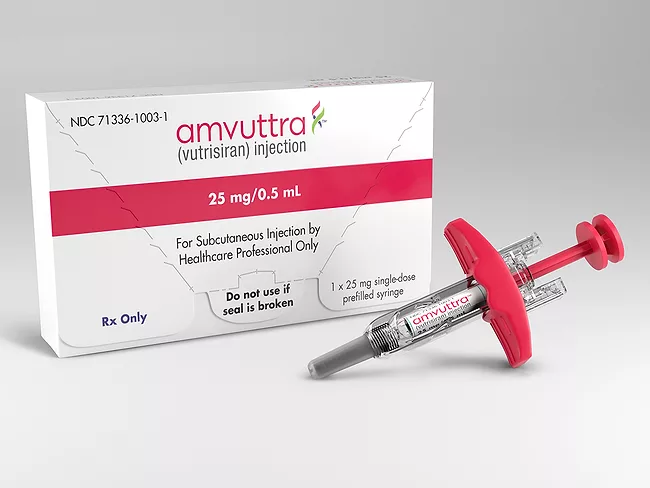
Alnylam Pharmaceuticals Inc.’s Amvuttra (vutrisiran), a treatment for the rare disease hereditary transthyretin-mediated amyloidosis, was among medicines recommended for approval by regulators from Europe’s Committee for Medicinal Products for Human Use (CHMP) in a busy sitting.
The U.K.’s competition watchdog has found that a subsidiary of Pfizer Inc. and a generics firm jacked up the price of a life-saving epilepsy drug by up to 2,600%, fining them a total of £70 million (US$83.72 million). The Competition and Markets Authority’s decision is part of a long-running dispute against subsidiary Pfizer Ltd. and the generics firm Flynn Pharma Ltd.
Oxford Science Enterprises, an independent investor specializing in building companies through its relationship with the U.K.’s University of Oxford, has raised a further £250 million (US$300 million) to translate academic research into commercial products and businesses.
It’s a delicate time in Europe, where the recovery from the pandemic has been stifled by the war on its doorstep in Ukraine. Although the crisis caused by the Russian invasion is dominating the short-term political agenda, there are serious concerns about Europe’s long-term economic prospects and whether its research-led industries are falling by the wayside.
 RSS
RSS