Looking to turn around the decline of clinical trials within its borders, the U.K. government appointed James O’Shaughnessy, a former health minister, board member of Health Data Research UK and a senior partner at Newmarket Strategy, to conduct an independent review of the country’s commercial clinical trial landscape.
The stage is set for a showdown between the pharma industry and national governments and public health experts over which policy the EU should grasp, as it bids to create a pan-European incentive scheme that will encourage innovation and get more antibiotics through to market. At issue is a proposal supported by the industry, under which companies getting approval for a new antibiotic would be given a voucher allowing them to extend market exclusivity of any different drug of their choice for one year.
The U.K.’s medicines and vaccines manufacturing environment needs a complete overhaul, with the worrying decline in exports and investment in the country addressed, if the UK is to beat global competition, the Medicines Manufacturing Industry Partnership believes.
It is a “landmark moment” in the long-awaited upgrade of the management of clinical research in Europe, but the industry has given a lukewarm welcome to a mandate to submit all clinical trial applications via the EMA’s clinical trials information system, as of Jan. 31.
It’s been a tough year for raising biotech money, according to the new U.K. Biotech Financing Report, but there are bright spots in an otherwise dark period. What happened last year in the U.K. basically mirrored what happened with global financings as IPOs are significantly down while venture capital rounds stood strong.
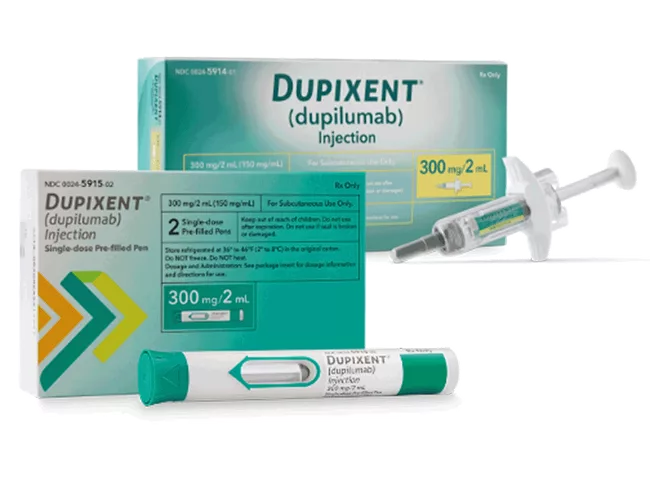
Where European regulatory decisions were concerned, there was good news and bad news for pharma today as Sanofi SA and Regeneron Pharmaceuticals Inc. got the go-ahead for expanded approval of Dupixent (dupilumab) in pediatric atopic dermatitis patients whilst Ipsen SA’s ultra-rare bone disease drug palovarotene was left off the shelf as efficacy data failed to impress.
In the absence of a European framework, industry is stepping up with an initiative to help EU patients cross borders to participate in clinical trials.
Abbvie Inc. and Eli Lilly and Co. Inc. have pulled out of the U.K.’s voluntary pricing scheme for branded drugs in protest at the 26.5% of their revenues they would be required to pay back to the government in 2023.
After years of negotiations, the U.S. FDA and Swissmedic are one step away from recognizing each other’s good manufacturing practice (GMP) inspections of biopharma facilities.
The European Commission is spending €242 million (US$261 million) to create the first rescEU strategic reserve of chemical, biological, radiological and nuclear (CBRN) medical countermeasures.

 RSS
RSS