Biospectal SA has received a CE MDR class IIa medical device certification for its optical fingertip blood pressure monitoring app, Optibp. The device records fingertip blood flow optically and transforms the information into a pulse wave that it analyzes to estimate blood pressure.
Omini SA hopes that the multiplexed blood testing platform it is developing will transform the lives of patients suffering from heart failure. With its multiplex, sensor-based testing strip that simultaneously measures four key biomarkers from a single drop of blood, the company’s technology should increase the chance of a patient’s survival and reduce pressure on health care systems, Joanne Kanaan, CEO and co-founder of Omini, told BioWorld.
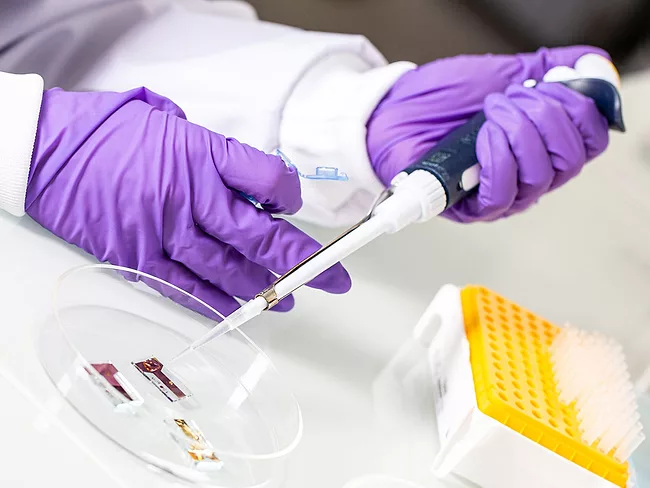
After five years and 350,000 hours of DNA sequencing, the UK Biobank has opened up access Nov. 30 to the whole genome sequences of half a million people who volunteered to give samples 15 years ago.
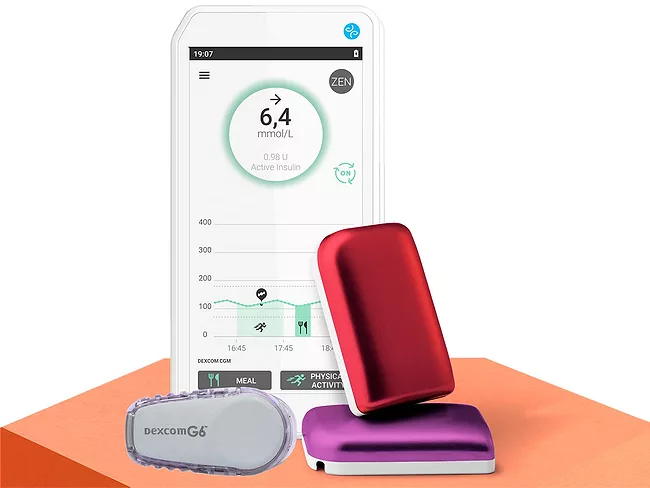
With hybrid closed-loop systems for automated insulin delivery increasingly being seen as life changing for people with diabetes, Vicentra BV has teamed up with Diabeloop SA and Dexcom Inc. to launch a system to help people with type 1 diabetes manage their condition.
In what represents the first Patent Cooperation Treaty filing published in the name of London, U.K.-based Abtrace Ltd., the company’s co-founder and chief executive officer, Umar Naeem Ahmad, collaborates with Xavier Monnet – professor of intensive care at Assistance Publique - Hôpitaux de Paris (APHP) Université Paris-Saclay – on the design of a fluid delivery system for delivering intravenous fluid therapy to a patient.
Gilde Healthcare Partners BV finally closed its Venture & Growth VI fund after raising €740 million (US$803 million) in commitments. The venture capital firm added €140 million to the €600 million unveiled earlier in the year due to strong interest from institutional investors.
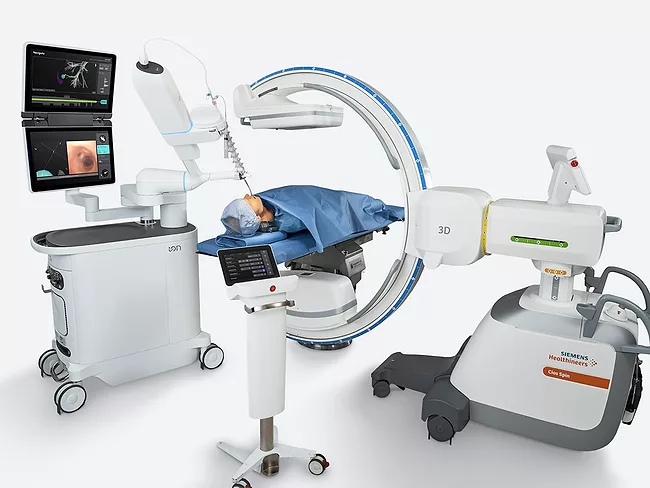
Siemens Healthineers AG appears to be committed to its Diagnostics business after Jochen Schmitz, CFO, pushed back at rumors speculating that the German company was looking at options for the underperforming segment, including a sale.
Senior leaders and investors in the health care sector expect mergers and acquisitions (M&A) activity to continue to pick up next year but this will be corporate led rather than private equity, according to a report by global investment bank Jefferies. At the same time, many executives remained concerned about the lack of funding in the sector as it was identified as the number one threat.
In the following years, 2023 may come to be seen in medical device circles as the year of artificial intelligence (AI), but that doesn’t mean that 2023 will be seen as the year of regulatory clarity for AI.
The funding environment continues to be challenging for companies in the health care sector, and even more so for early-stage med-tech companies, delegates heard at the LSX Investival Showcase in London. Med-tech companies were told that they had to be lean, constantly work on building relationships with investors and not to give up because there is money out there for innovative technologies that can save people’s lives.
 RSS
RSS