After flying high in 2022, digital therapeutics (DTx) companies crashed to Earth in 2023 and scrambled to identify a path to profitability, or at least continued viability.
Carmat SA recently reported a software update for its bioprosthetic total artificial heart Aeson device that will significantly improve its safety profile. In the past, the company had to suspend implantations of its device following issues around quality. With the enhancements, the Aeson software will be able to detect signals of malfunctions in real time and adapt the control of the prosthesis so that its performance is not affected.
To say that 2023 continued to be a difficult fundraising environment for companies in Europe is an understatement. However, there were some green shoots and investors continued to back companies, seeing opportunities across the health tech, med-tech and biotech space.
Regulation of medical devices is always a messy and complicated task, but that has proven to be particularly true of the European Union’s (EU) Medical Device Regulation (MDR). Thanks largely to problems with the capacity of notified bodies (NBs) to review renewals of existing CE marks, patients in the EU may experience a significant dearth of medical devices over the next couple of years, a nightmare scenario that has all stakeholders scrambling for solutions.
Over the past few years, the health care sector has been progressively leveraging artificial intelligence techniques for activities such as end-to-end drug discovery and development, diagnosing patients, improving communication and engagement between physician and participant, transcribing medical documents and remotely treating and monitoring patients.
Carl Zeiss Meditec AG reported it plans to buy Dutch Ophthalmic Research Center BV (DORC) from investment firm Eurazeo SE for approximately €985 million (US$1.08 billion).
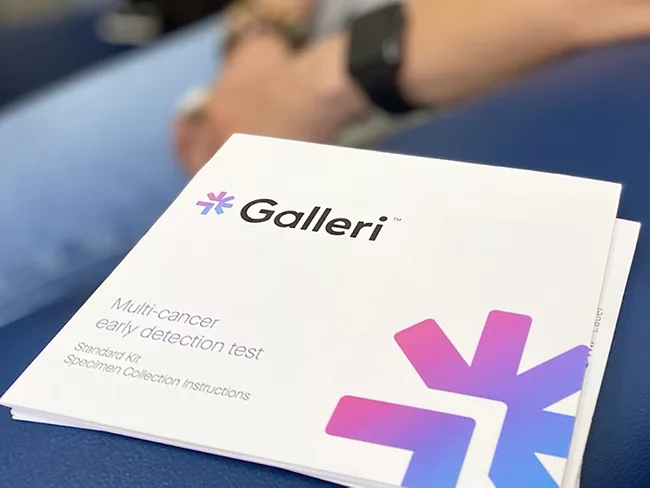
After years of battling to retain its hold on Grail Inc., Illumina Inc. finally announced that it will be unwinding the ill-fated acquisition of the multi-cancer early detection test maker. In addition to stiff opposition from activist investor Carl Icahn that cost Illumina’s previous CEO and board chair their positions, European and U.S. regulators have consistently opposed the deal.
Medtronic plc received CE mark for its Percept RC neurostimulator for deep brain stimulation, which the company hopes will transform brain modulation and empower patients in the E.U. with neurological indications. The device is designed to capture and record brain signals and provide clinicians with insights to enable them to adapt and personalize therapy for patients.
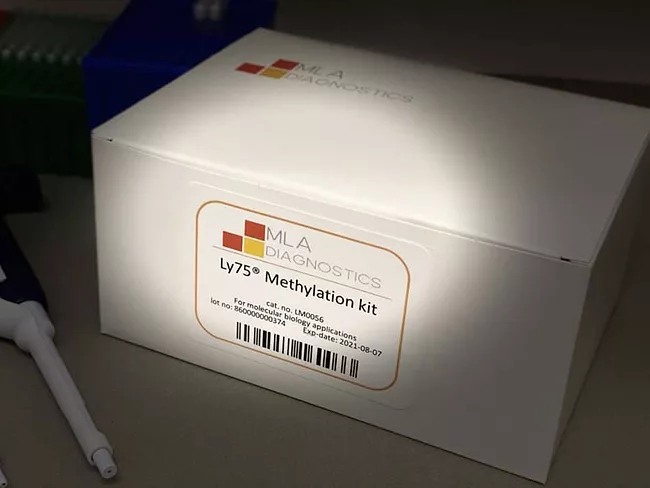
MLA Diagnostics BV secured a strategic seven-figure investment in its recent investment round to support external validation of the company’s melanoma prognosis test. Co-founders NLC Health Ventures and Brightlands Life Sciences Ventures participated in the round along with LIOF, the regional development organization for the Limburg province of the Netherlands.
The European Union’s Artificial Intelligence Act (AI Act) is widely seen as a groundbreaking piece of legislative handiwork, but companies in the life sciences may see it as a groundbreaker with negative consequences. The latest edition of the AI Act continues to treat medical AI software as a high-risk product, which would make these products exceptionally expensive and burdensome to bring to market in the EU and convince some companies in the medical AI business to skip the European market altogether.
 RSS
RSS