B-rayz AG received CE mark for its Data Adaptive Neural Artificial Intelligence (DANAI) technology that helps clinicians with breast cancer detection. The company hopes that DANAI, which introduces a custom AI-based framework that can adapt to clinicians needs and grow smarter in the process, will revolutionize the diagnostic landscape for breast imaging and transform the lives of millions of women.
Genotype assay testing can detect new variants of the COVID-19 virus six days faster than whole genome sequencing (WGS), with results returned in just three days — compared to nine for WGS — according to a study published in the Lancet Microbe.
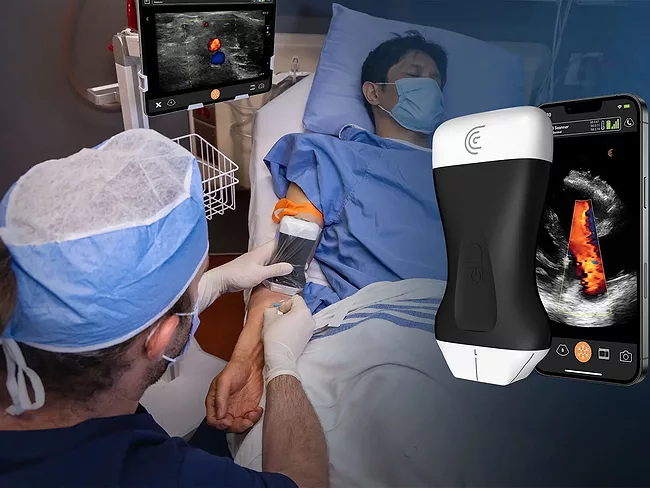
Clarius Mobile Health Inc. received CE mark for its latest wireless hand-held whole-body ultrasound scanner, the Clarius PAL HD3. The scanner combines both phased and linear arrays on a single head which provides high image quality of superficial and deep anatomy allowing for better diagnostic capabilities and patient care.
Researchers at ETH Zurich have identified a proteomic signature that could recognize long COVID six months after acute infection. Biologically, the signature indicated that the complement system remained active in patients with long COVID six months after infection. Translationally, it could lead to a diagnostic test for long COVID, and suggests that targeting the complement system could be a therapeutic approach to prevent or treat the disorder.
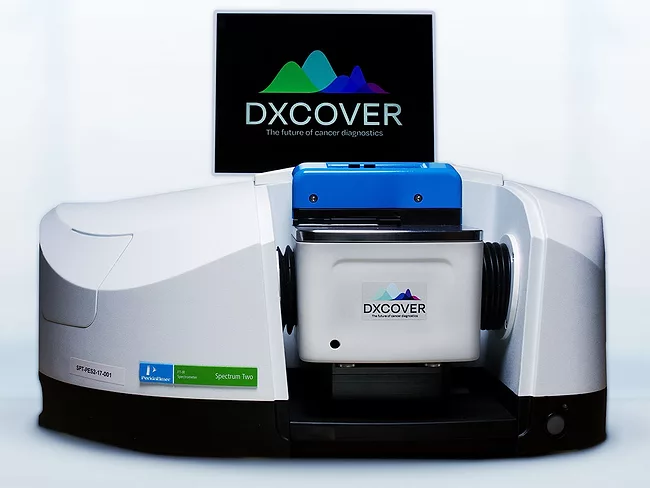
Dxcover Ltd. initiated three pivotal trials to measure the efficacy of its liquid biopsy platform for early detection of brain, colorectal and lung cancers. The company hopes the trials will provide the evidence needed to gain regulatory approval and begin commercial operations of its diagnostic technology in Europe and the U.S.
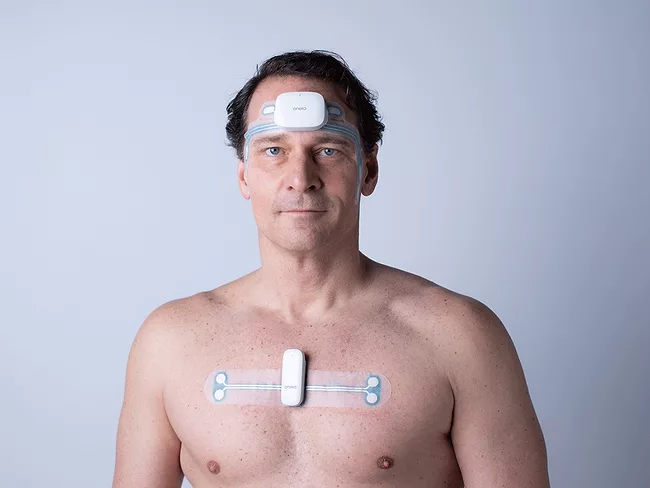
Onera Technologies BV raised €30 million (US$32.7 million) in a series C funding round that will allow the company to accelerate the manufacturing and deployment of its patch-based sleep test system. The funds will also go towards concluding the development of the company’s second-generation polysomnography (PSG) system.
The U.K. Medicines and Healthcare Products Regulatory Agency finalized its plans for an overhaul of its med-tech regulatory system in a comprehensive approach that captures both in vitro diagnostics and artificial intelligence.
Medtronic plc received CE mark for its latest miniature, leadless pacemakers, the Micra AV2 and Micra VR2. According to the company, they are the world's smallest pacemakers, provide a longer battery life, and are easier to program than previous Micra pacemakers, while maintaining the benefits of their predecessors such as reduced complications compared to traditional pacemakers.
Switzerland’s regulatory authority for devices and drugs, Swissmedic, decided to revamp how it organizes its postmarket surveillance work, and is also seeking to stand up its medical product surveillance database.
Roche Holding AG entered into a definitive agreement to buy Lumiradx Ltd.’s point-of-care technology platform for $350 million. The deal is part of Roche’s effort to transform its point-of-care portfolio and enable more patient-centric health care. For Lumiradx, the sale is the end of a journey to restructure and refocus the company and will result in it being delisted from Nasdaq.
 RSS
RSS