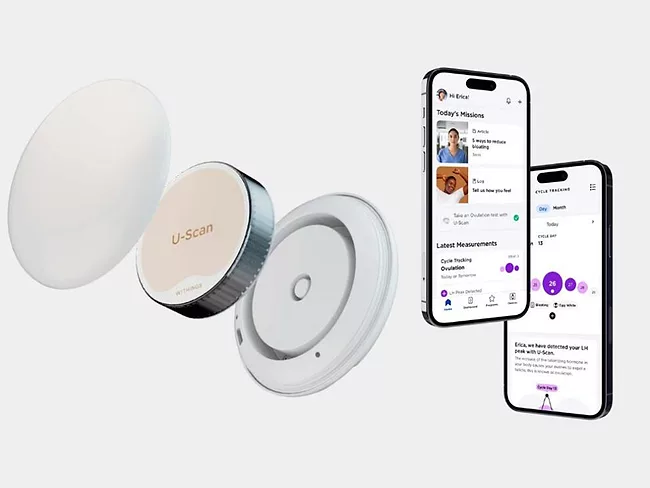
Following on from wireless weighing scales, blood pressure monitors and smartwatches designed to track health indicators, Withings SA is now developing home urine analysis products.
Eurosets Srl reported the first patient treatments using Colibri, which the company asserts is the world’s lightest extracorporeal life support (ECLS) system. This first clinical procedure was performed using an ECLS device weighing less than 9 kg in the ICU department at the Arnaud de Villeneuve University Hospital in Montpellier, France.
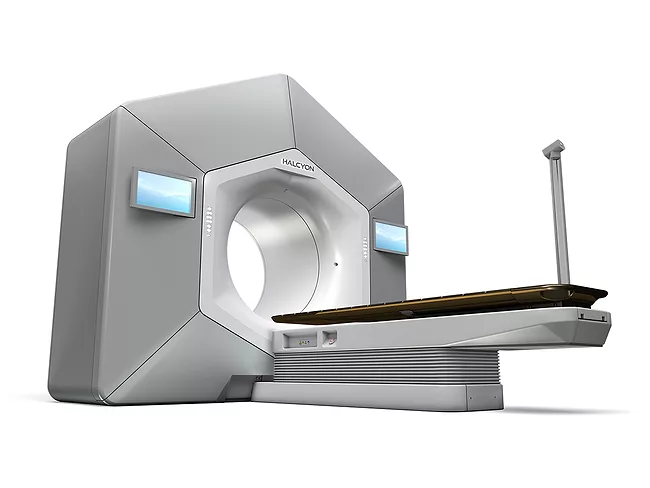
Varian’s Halcyon and Ethos radiotherapy systems received two regulatory nods in short succession, with both U.S. FDA 510(k) clearance and CE marking. In addition, the company reported that the first patient in the world underwent treatment with a Halcyon system with Hypersight last week.
Eyenuk Inc. is significantly extending the scope of its artificial intelligence system for the automatic analysis of retinal images, adding the diagnosis of age-related macular degeneration (AMD) and glaucoma to the EU approved uses of Eyeart AI.
Maela SAS and Nouveal SAS reported plans to merge and become a leading player in the market for remote medical monitoring and patient pathway management.
Royal Philips NV revealed plans to cut a further 6,000 jobs on top of the 4,000 announced in October as it sought to stabilize the business and improve its operational performance going into 2023. In total, the company will reduce its workforce by about 13%. Philip’s fourth quarter results came in ahead of consensus expectations, but the company still posted a loss of €105 million (US$108.2 million).
Real-world evidence (RWE) is all the rage in med-tech circles, given the promised efficiencies, but the U.K. National Institute for Health and Care Excellence is especially dialed in on RWE. The agency recently announced that it will expand its use of RWE to include health technology assessments (HTAs), promising a slightly less drag-filled path to clinical adoption in one of the world’s most robust markets.
Amber Therapeutics Ltd. reported that three patients have been fitted with its closed loop bioelectrical stimulation device, which it says is the first to modulate the pudendal nerve to directly address urinary continence (UI).
A French surgical team has performed a robot-assisted kidney auto-transplantation with ex situ tumorectomies for renal cell cancer. This is the world first use of the fourth generation Da Vinci Xi surgical robot from Sunnyvale, Calif.-based Intuitive Surgical Inc. to perform kidney explanation and autotransplantation with removal of multiple and complex tumors outside of a patient's body.
A U.K. real world nationwide study of the clinical effectiveness of hybrid close loop (HCL) insulin administration systems has found they improve glycemic control in type 1 diabetes compared to the earlier generation of devices.
 RSS
RSS