Carmat SA just completed a flash fundraising of $33 million to increase production of its Aeson total artificial heart and support sales growth in Europe. The operation featured two distinct but concurrent actions: a reserved offer and a public offer. The reserved offer, intended for specialist investors, raised $28.9 million.
The European Union’s efforts to update its regulatory framework for medical devices was heralded as a long-overdue response to the Poly Implant Prothèse (PIP) breast implant scandal, but the COVID-19 pandemic added significant drag to the implementation timelines. Those timelines have proven impracticable for other reasons as well and the problem will bleed into the new year and perhaps beyond to the detriment of patients and manufacturers.
Earlysight SA is developing a novel ophthalmology device that can be used to diagnose certain degenerative eye disorders long before onset of first symptoms. Earlysight and researchers at the Swiss Federal Institute of Technology Lausanne (EPFL) have reported positive results for their first clinical trial of Cellularis in the journal Ophthalmology Science.
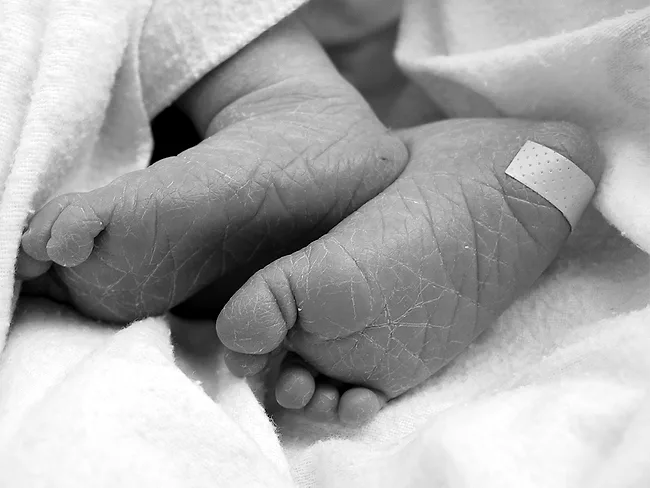
The U.K. is taking the next step in applying genomics to health care with the launch of a £105 million (US$130 million) project that will sequence the whole genomes of 100,000 healthy newborn babies to detect rare genetic conditions.
The U.K. is mulling over whether to recognize U.S. FDA approvals of medical devices as part of moves to accelerate the implementation of its post-Brexit regulatory system.
The European Commission has given in to the increasing pressure and alarm from member states and is moving to extend the deadlines for implementing the 2017 Medical Device Regulation (MDR) and the In Vitro Devices Regulation (IVDR).
Natus Medical Inc. entered into a definitive agreement to acquire EU-based neurophysiology solution provider Micromed Group SpA. The transaction is expected to close in early 2023, subject to regulatory approvals from the Italian Council of Ministers’ Presidency and the French Ministry of Economy and Finance. Full terms of the transaction have not been disclosed. “The idea behind this acquisition is to provide a single portfolio of neurodiagnostic and neuromonitoring products in the EU and the whole world,” Thomas Sullivan, CEO of Natus Medical, told BioWorld.
Mainstay Medical Holdings plc released data from a one-year, real-world, study of patients implanted with a neurostimulation device to treat chronic lower back pain.
Switzerland is making moves to allow the import of U.S. FDA-approved medical devices after losing barrier-free access to the EU market and over rising concerns about the dismal pace of implementation of the EU’s upgraded devices regulations.
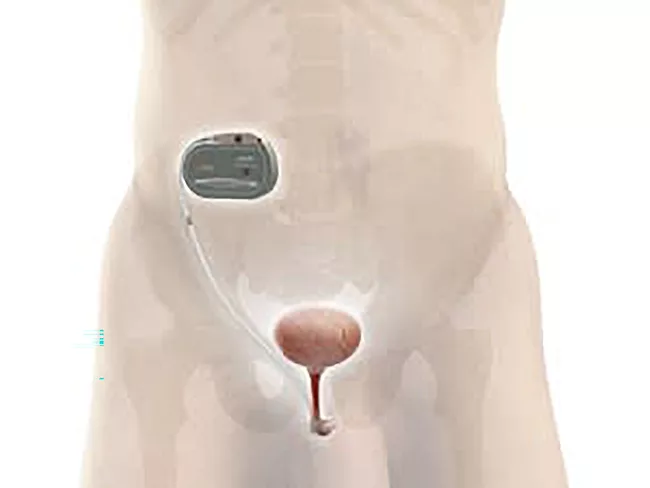
Uromems SAS reported the successful completion of the first-in-human implant of a smart, automated artificial urinary sphincter (AUS) device for treating stress urinary incontinence (SUI). This initial pilot study recently saw the first male patient implanted with the Uroactive System at Paris’s La Pitié-Salpêtrière University Hospital and is considered by the company to be a key milestone in the technology’s development.
 RSS
RSS