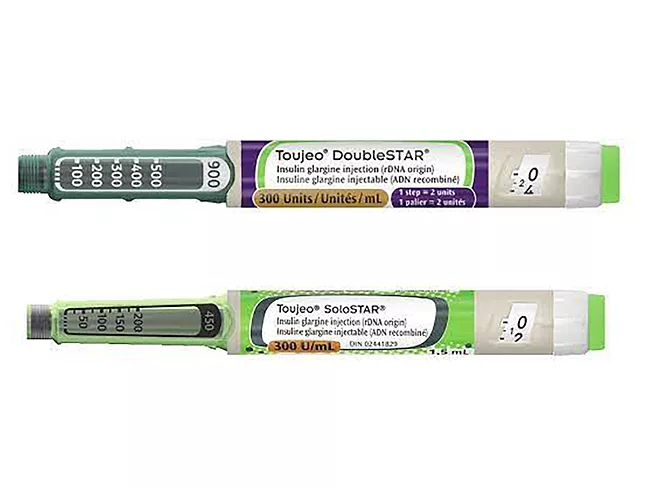
Sanofi SA is launching its first connected data collector for recording insulin injection in real time. The launch was reported at the Francophone Diabetes Society (SFD) congress in Montpellier, France this week. Distribution will begin via the network of 21,000 pharmacies throughout France. The new Solosmart data sensor can be adapted to all Sanofi pre-filled insulin pens.
Early-stage venture capital firm Karista SAS reported the third edition of its European digital health funds mapping report. This mapping included all funds with global headquarters in France, Germany, Spain, Italy, the U.K., Netherlands, Austria, Luxembourg, Belgium and the Nordics.
The dominoes are falling on European clinical trials as the unintended consequences of the EU’s In Vitro Diagnostics Regulation take hold. Last year’s implementation of the regulation has resulted in the delay of up to 160 drug trials to date, with as many as 420 trials expected to be delayed over the next three years, according to an EFPIA member survey.
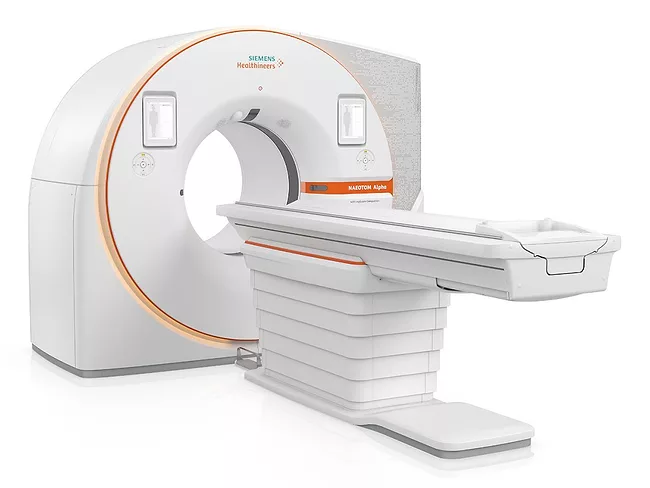
At the European Congress of Radiology 2023 in Vienna, a session was devoted to photon-counting CT (PCCT). A team of five clinical researchers from Germany, Ireland, Norway, the Czech Republic and Slovakia spent an hour presenting an update on the latest clinical progress for this new medical imaging technology.
Device makers doing business in the EU finally have official word that the new implementation dates for the Medical Device Regulation (MDR) are in force, offering some vital breathing room for products already on the market. However, manufacturers that wish to obtain a new certificate for their legacy devices still have a lot of work to do as they must file at least a preliminary application for these devices with a notified body (NB) by May 26, 2024, not a mean feat given the crunch on notified bodies operating in the EU.
Medtronic plc has scored a CE mark for its Affera mapping and ablation system for atrial arrhythmias, mere months after acquiring the technology from cardiac solutions company Affera Inc. The dual-use system, which includes the Sphere-9 catheter and Affera Prism-1 mapping software, will be available in Europe beginning in the first half of 2023.
Perspectum Ltd. raised $19 million in the second close of its series C funding round bringing the total amount raised in the round to $55 million. The fundraising was led by Oppenheimer & Co. Inc., which sees the potential for long-term growth in Perspectum’s imaging and diagnostic technologies and invested $27 million.
Just three months after raising $12.9 million, Remedee Labs SAS reported it has signed a partnership with pharmaceutical group Upsa SAS to ramp commercialization of its smart bracelet for chronic pain. “We are going to rapidly deploy our non-invasive chronic pain relief technology throughout France and Europe,” David Crouzier, co-founder and CEO of Remedee Labs, told BioWorld.
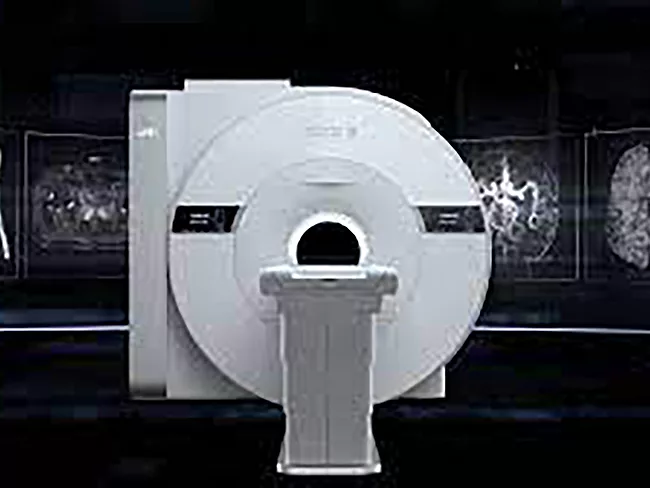
United Imaging Healthcare Co. Ltd. (UIH) presented its Umr Jupiter 5.0T scanner at the European Congress of Radiology in Vienna. This new ultra-high-field 5 Tesla MRI scanner supports exclusive whole-body clinical and research applications.
 RSS
RSS