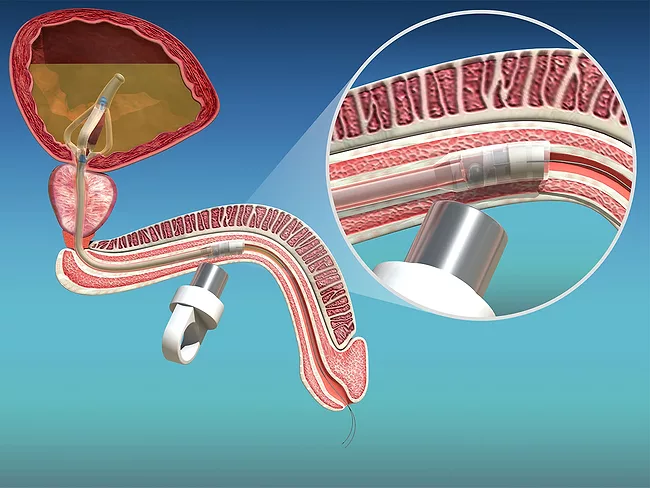
Ingenion Medical Ltd. received a CE mark for its Cymactive 2.0R urinary catheter, a device to treat men suffering from chronic, non-neurogenic urinary retention. The technology, designed to mimic natural urination, will “transform” the lives of men currently struggling with the challenges of using Foley-type catheters, Edward Cappabianca, CEO of Ingenion Medical told BioWorld.
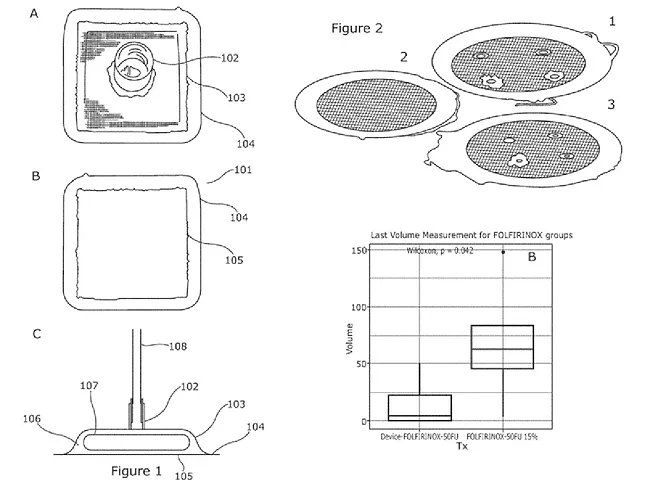
Researchers from the U.K.’s University of Birmingham have filed for protection of an implantable device for targeted drug delivery in patients who have undergone surgery, particularly surgery to remove one or more tumors.
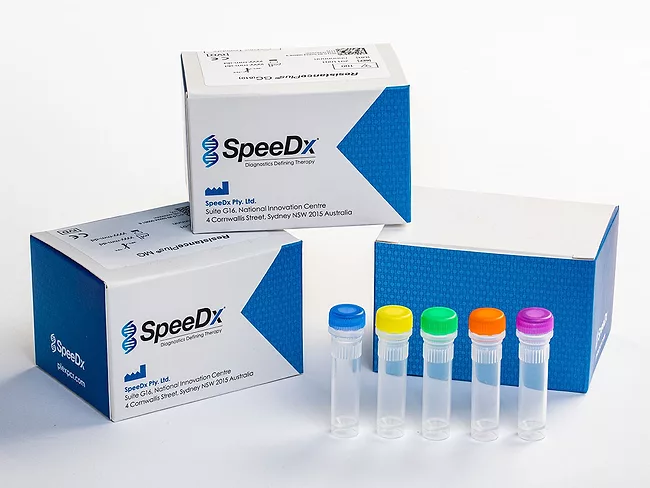
Australia’s Speedx Pty Ltd. is launching a new rapid polymerase chain reaction (qPCR) test for 14 different respiratory viruses in a single test that works on almost every commercial PCR platform in half the time and at a fraction of the cost of what its competitors charge.
Essential Pharma Ltd. is paying up to £70 million (US$88.7 million) to acquire Renaissance Pharma Ltd., taking ownership of Hu14.18, a treatment for high-risk neuroblastoma. The antibody has completed a 64-patient phase II trial conducted by St Jude’s Children’s Research Hospital, in which it showed an improvement in overall survival of around 50% compared to currently available therapies.
A day after investing $40 million in China’s D3 Bio Inc., London-based venture capital firm Medicxi is investing $25 million to co-found a new U.K.-based company called Petalion Therapeutics Ltd. that will focus on an early stage oncology asset from Australia’s Starpharma Holdings Ltd. to develop novel dendrimer-based treatments.
The U.S. FDA accepted for review Daiichi Sankyo Co. Ltd.’s and Astrazeneca plc’s BLA for datopotamab deruxtecan to treat adults with unresectable or metastatic hormone receptor-positive, HER2-negative breast cancer who have received prior systemic therapy for unresectable or metastatic disease.
Medicxi has made its first ever investment in China – and its biggest single commitment to date – putting $40 million into D3 Bio Inc. The investment by the London-based venture capital firm will accelerate development of D3’s lead program D3S-001, a second generation KRAS G12C inhibitor, which is in phase II development in advanced solid tumors.
Medicxi has made its first ever investment in China – and its biggest single commitment to date – putting $40 million into D3 Bio Inc. The investment by the London-based venture capital firm will accelerate development of D3’s lead program D3S-001, a second generation KRAS G12C inhibitor, which is in phase II development in advanced solid tumors.
With nine months to go before their introduction, the industry is flagging many uncertainties around the proposed guidelines for implementing joint clinical assessments.
Microbiome specialist Enterobiotix Ltd. has raised £27 million (US$34.2 million) in a series B round as it starts a phase II trial of EBX-102-02 in the treatment of irritable bowel syndrome.
 RSS
RSS