Google Deepmind is shedding light on the dark genome with its latest AI model, which is trained to decipher the 98% of DNA that does not code for proteins. Alphagenome is designed to predict how variants in the regulatory genome exert their effects on the expression of the genes they control.
Genentech Inc. is paying $200 million up front and up to $1.5 billion in milestone payments to license one of Suzhou Sanegene Bio Inc.’s RNAi programs. Metabolic and autoimmune-focused Sanegene did not disclose specifics around the licensed candidate, except that it was derived from its LEAD (Ligand and Enhancer Assisted Delivery) platform.
An AI-based software developed by Screenpoint Medical BV could help detect breast cancers earlier and reduce the number of cancers that appear between routine screenings. In a trial of over 100,000 women, the use of the company’s Transpara Detection system resulted in a 12% reduction in the rate of interval cancers, compared to standard mammography screening. The results from the Mammography Screening with Artificial Intelligence study was published in the Lancet.
The EMA has started a review of Amgen Inc.’s Tavneos (avacopan) after questions were raised about the integrity of the data in the Advocate study that the agency assessed when granting approval of the vasculitis treatment in January 2022.
Astrazeneca plc is investing $15 billion in China through 2030 to expand R&D and manufacturing, marking one of the largest long-term investments by a multinational pharma company in the country. The U.K.-based company also struck a deal worth up to $3.5 billion with China’s CSPC Pharmaceuticals Group Ltd. to accelerate the development of next-generation therapies for obesity and type 2 diabetes.
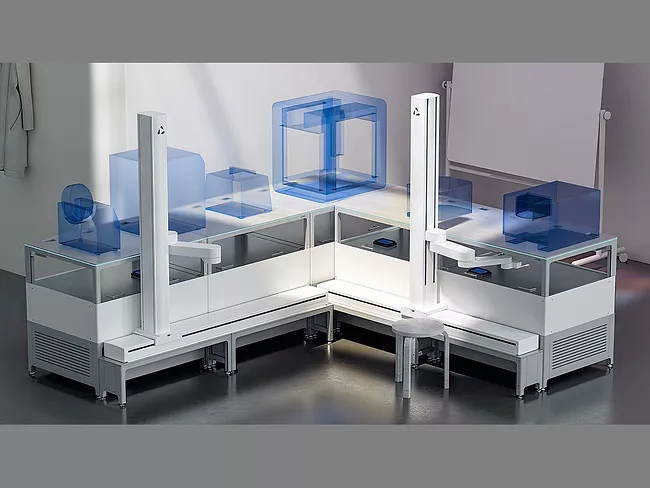
Automata Technologies Ltd. raised $45 million in a series C funding round that included a strategic investment partnership with Danaher Corp. The funds will be used to support the scaling of customer deployments, the building of the next generation of Automata’s data and closed-loop experimentation software platform and the expansion of its global operations.
Google Deepmind is shedding light on the dark genome with its latest AI model, which is trained to decipher the 98% of DNA that does not code for proteins. Alphagenome is designed to predict how variants in the regulatory genome exert their effects on the expression of the genes they control.
En Carta Diagnostics SA's EC Pocket Lyme received FDA breakthrough device designation for its rapid, molecular diagnostic test for the early detection of Borrelia bacteria, which causes Lyme disease. The designation marks a pivotal step for the French startup as it will enable closer interaction with the agency, accelerating its route to market, and getting it to patients sooner.
Seamless Therapeutics has received big pharma endorsement of its proprietary recombinase gene editing platform, sealing a potential $1.12 billion deal with Eli Lilly and Co. to apply the technology in hearing loss.
Google Deepmind is shedding light on the dark genome with its latest AI model, which is trained to decipher the 98% of DNA that does not code for proteins. Alphagenome is designed to predict how variants in the regulatory genome exert their effects on the expression of the genes they control.
 RSS
RSS


.webp?height=488&t=1750428815&width=650 "Interfering RNA (RNAi)")