Comphya SA raised CHF 7.5 million (US$ 8.4 million) in a series A round for its implantable neurostimulation therapy, Caverstim, which treats men with erectile dysfunction who do not respond to medication.
Plasmacure B.V. secured €6 million (US$7 million) in series A funding for its Plasoma cold plasma system to treat complex wounds. The round was led by Venture Medical LLC, a U.S.-based provider of solutions for wound care, which also committed to spend over $10 million to support regulatory approval, reimbursement and U.S. market expansion of the Plasoma technology.
Nuclidium AG is poised to circumvent the complex production and supply issues that have held back access to radiopharmaceuticals after closing a CHF79 million (US$99.3 million) series B, to advance the clinical development of its copper isotopes and extend the global manufacturing network.
The National Institutes of Health has opened another front in its cost cutting drive, saying it will cap the fees science journals charge for publishing papers authored by researchers it funds.
Actithera A/S is poised to bring small-molecule pharmacokinetics to radiopharmaceuticals after closing a $75.5 million series A that will fund initial clinical development of a candidate targeting the elusive fibroblast activation protein (FAP).
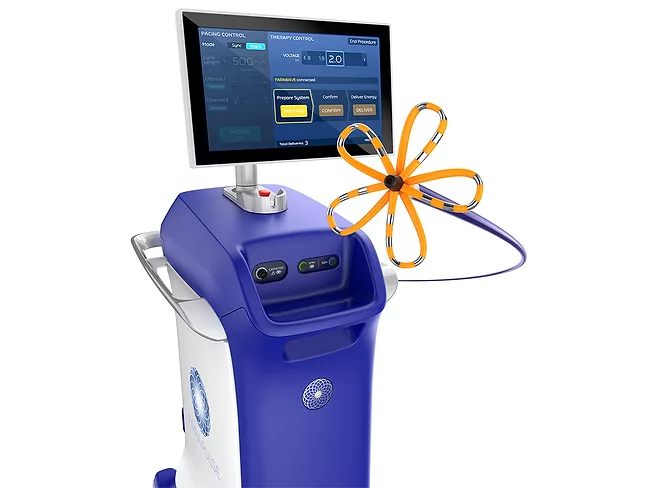
The U.K.’s National Institute for Health and Care Excellence (NICE) recommends the use of pulsed field ablation as an option to treat NHS patients with atrial fibrillation. NICE said evidence shows the procedure reduces atrial fibrillation and its symptoms, increases quality of life in the short term and raises no major safety concerns.
Actithera A/S is poised to bring small-molecule pharmacokinetics to radiopharmaceuticals after closing a $75.5 million series A that will fund initial clinical development of a candidate targeting the elusive fibroblast activation protein (FAP).
Nuclidium AG is poised to circumvent the complex production and supply issues that have held back access to radiopharmaceuticals after closing a CHF79 million (US$99.3 million) series B, to advance the clinical development of its copper isotopes and extend the global manufacturing network.
Alcon AG plans to acquire Lumithera Inc., adding its photobiomodulation (PBM) device designed to treat early and intermediate dry age-related macular degeneration (AMD) to the Alcon portfolio. The financial terms of the deal were not disclosed.
The move continues Alcon’s strategic expansion in eye care, following on its recent acquisitions of Aurion Biotech Inc. and Lensar Inc.
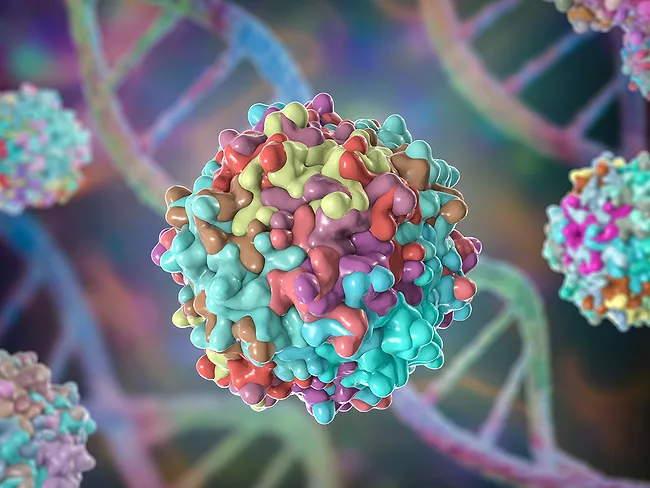
Under a new licensing deal announced July 8, JCR Pharmaceuticals Co. Ltd. granted Alexion Pharmaceuticals Inc. rights to its adeno-associated virus (AAV) capsids for use in up to five of Alexion’s genomic medicines programs.
 RSS
RSS