Oral peptide delivery specialist Cyprumed GmbH is about to find out if the high bioavailability of its tablet formulations seen in animal models will translate across to humans, after signing a $493 million license and option agreement with Merck & Co. Inc.
Receipt of EU MDR CE mark may not be a magic potion, but Elixir Medical Corp. is certainly feeling a boost from the regulatory nod for its mechanical Lithix hertz contact intravascular lithotripsy system for treatment of moderate to severely calcified coronary artery lesions. Simultaneously, the company reported the launch of Lithix and completion of first cases in Italy, France and Germany.
Oral peptide delivery specialist Cyprumed GmbH is about to find out if the high bioavailability of its tablet formulations seen in animal models will translate across to humans, after signing a $493 million license and option agreement with Merck & Co. Inc.
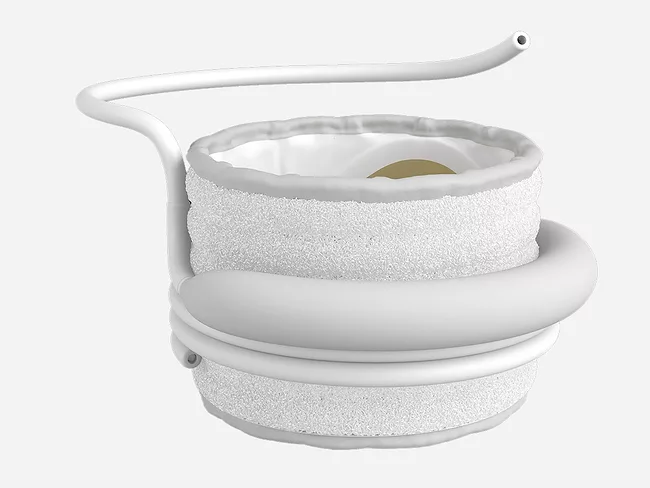
Edwards Lifesciences Corp.’s Sapien M3 secured CE mark for its Sapien M3 mitral valve replacement system for transfemoral treatment of patients with mitral valve disease who are ineligible for surgery or transcatheter edge-to-edge repair. Sapien M3 is indicated for individuals with symptomatic moderate-to-severe or severe mitral valve regurgitation.
As new clinical trials regulations were signed into law in the U.K., an analysis of 4,616 submissions to conduct studies has highlighted what is required for the updated law to translate into a more efficient, streamlined and adaptable regulatory framework.
Two days after pharma companies sounded an alarm that their investments were headed out of Europe, Novartis AG has announced plans to increase investment in the U.S. by $23 billion, bringing the total it invests over the next five years to nearly $50 billion.
U.K. scientists developed a saliva-based test which better predicts the risk of prostate cancer than current prostate-specific antigen (PSA) blood tests by analyzing DNA to look for genetic variants linked to prostate cancer and calculating a polygenic risk score.
The U.K. government is to invest £500 million (US$645 million) in a health data research service that will provide a single point of access to national-scale anonymized patient records, ending the need to navigate different systems or make multiple applications to use information.
Medicud Srl received over €1.3 million (US$1.4 million) in seed funding to support clinical trials and secure regulatory approval of Dryum, its incisional negative pressure wound therapy system.
The EU’s Medical Devices Coordination Group (MDCG) issued another revision of its guidance for risk classification for in vitro diagnostics — the fourth such rewrite of a guidance that came out in 2020.

 RSS
RSS