The economic and societal implications of the underfunding of women’s health finally reached the agenda of the World Economic Forum (WEF), with the launch at the 2026 annual meeting in Davos, Switzerland, this week of the inaugural Women’s Health Investment Outlook. The neglect of women’s health is not only a public health issue, but also “a market inefficiency on a global scale,” the WEF report said.
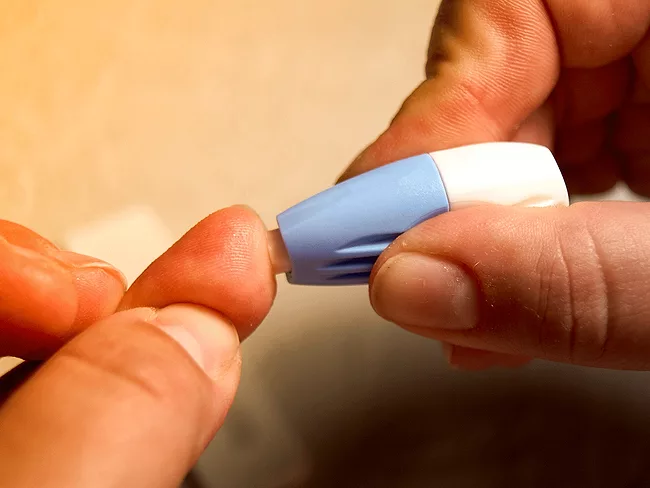
A team of international researchers is investigating whether a finger-prick blood test could be used to help diagnose Alzheimer’s disease before symptoms appear. With current diagnostic methods relying on expensive brain scans and invasive lumbar punctures, the trial is exploring whether the simple test could offer a faster, cheaper, and more accessible route to identifying the disease.
The European Commission recently published the results of a study of the impact of the EU regulatory environment, which confirmed the worst fears of some observers about the situation in the EU. The report said that the associated challenges are prompting small and medium companies to pull at least one product out of inventory for the EU market, with some companies abandoning the EU altogether.
A trio of European cancer vaccine specialists have filed progress reports, with advances in technology and targeting, fresh infusions of cash, and off-the-shelf products moving into the clinic. Six years on from its formation, Ervimmune closed a series A at €17 million (US$19.9 million) to drive forward clinical development of lead program Ervac-01. Accession Therapeutics Ltd. raised a further £30.5 million (US$40.4 million) from its existing investors, following dosing of four patients with Trocept-01. And Infinitopes Ltd. added $15.4 million to its seed round, as it finalizes preparations for a phase I/IIa trial of the lead product ITOP-1.
Boston Scientific Corp.’s intent to acquire Penumbra Inc. for $14.5 billion will not only allow it to expand its minimal invasive care portfolio in areas such as embolization and peripheral vascular disease, but to also reenter the neurovascular space, Kathleen Van Vlierberghe, vice president of Peripheral Interventions EMEA, told BioWorld.
The U.K.’s National Institute for Health and Care Excellence is revisiting its policy for osteoporosis and may recommend that clinicians include vertebral fracture assessment with dual energy X-ray absorptiometry procedures.
Neuropsychiatry specialist, Exciva GmbH raised €51 million (US$59.9 million) in a series B round to fund a phase II/III trial of Deraphan, a combination therapy for treating agitation in patients with Alzheimer’s disease.
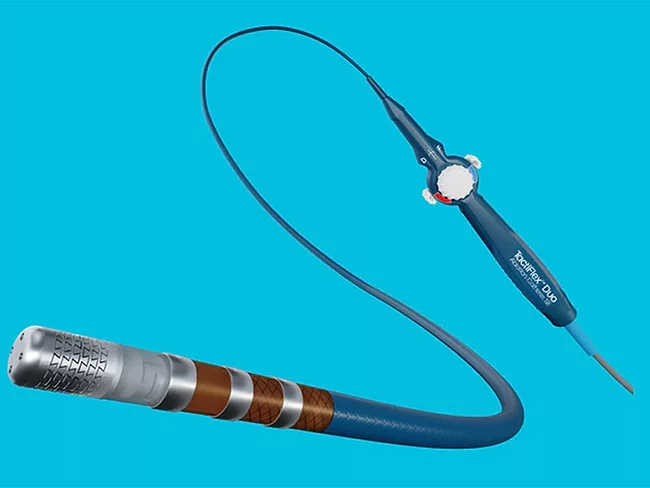
Abbott Laboratories received CE mark in Europe for the Tactiflex Duo ablation catheter to treat patients with atrial fibrillation. The first commercial cases using Tactiflex Duo, a dual energy device, were completed in the EU this week.
Investors continue to pour capital into AI-driven health care technologies, from drug discovery and diagnostics to personalized medicine and clinical decision-support tools. However, there remain issues with the quality and reliability of the data underpinning these systems, as well as the viability of their business model.
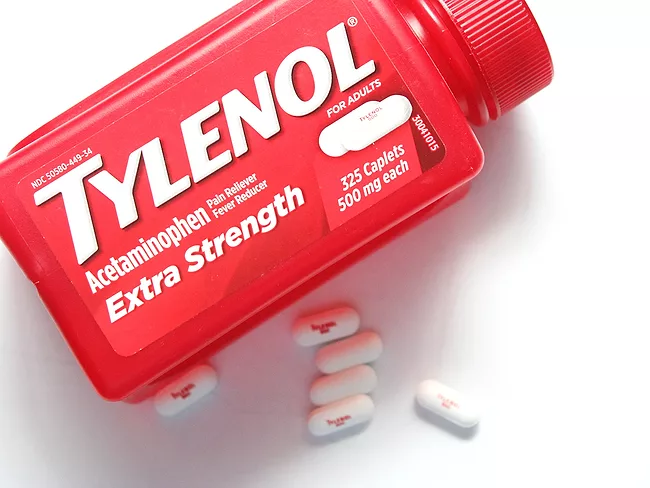
A new systematic review and meta-analysis of studies looking at a possible association between Tylenol (acetaminophen) use in pregnancy and neurodevelopmental disorders in children concludes there is no evidence of any meaningful risk. The study was carried out by researchers in the U.K., Italy, Sweden and Norway, in response to U.S. Secretary of Health and Human Services Robert Kennedy saying last September that there is a link. Unless medically necessary, it is “irresponsible” to take Tylenol during pregnancy, Kennedy said.
 RSS
RSS