Shanghai Fosun Pharmaceutical (Group) Co. Ltd.’s subsidiary, Shanghai Fosun Pharma Industrial, signed off ex-China rights to a phase II small-molecule inhibitor, FXS-6837, to Sitala Bio Ltd. in a potential $675 million deal.
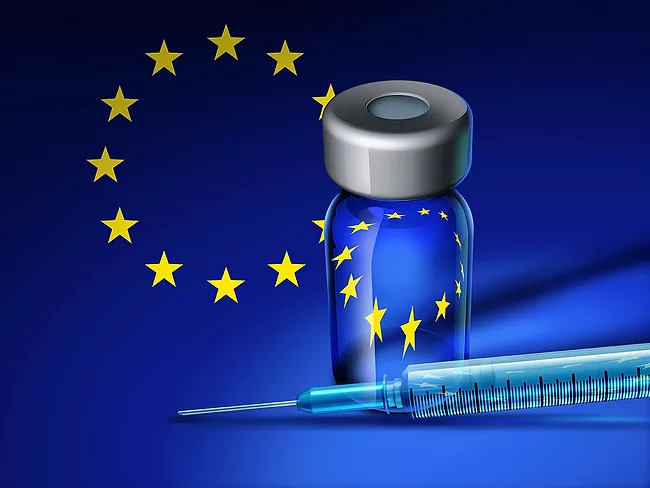
Bio-Thera Solutions Inc. announced Aug. 26 that the European Commission cleared Usymro (BAT-2206) as a biosimilar to Janssen Pharmaceuticals Inc.’s Stelara (ustekinumab). The EMA issued marketing authorization for Usymro on Aug. 14, following the EMA’s Committee for Medicinal Products for Human Use adopting a positive opinion on June 19.
Charm Therapeutics Ltd. is heading to the clinic after closing an oversubscribed series B, which will fund initial development of a menin inhibitor that is AI-designed to circumvent shortcomings of first-generation molecules.
Seluna Ltd. launched a clinical study to validate its sleep diagnostic software, designed to support doctors to rapidly diagnose childhood sleep disorders and prioritize treatment for those who urgently need it. The study follows Seluna’s recent securing of nearly £650,000 (US$875,000) in funding.
Mitochondrial transfer is known to occur from the tumor microenvironment into cancer cells, but now, Swiss researchers have shown a possible precursor to this is that cancer cells smuggle their mitochondria into healthy connective tissue cells, prompting their reprogramming to cancer-associated fibroblasts.
Shanghai Fosun Pharmaceutical (Group) Co. Ltd.’s subsidiary, Shanghai Fosun Pharma Industrial, signed off ex-China rights to a phase II small-molecule inhibitor, FXS-6837, to Sitala Bio Ltd. in a potential $675 million deal.
Twenty-two years since its formation, Bioarctic AB expects to become profitable in 2025, as milestones for marketing approvals and royalties on sales of the Alzheimer’s drug Leqembi (lecanemab) roll in, and partners sign up to use its proprietary Braintransporter drug delivery technology.
New research has filled in missing links between gene variants that have been implicated in disease through genome-wide association studies and how the variants drive disease pathology. The research involved using induced pluripotent stem cells derived from healthy donors and transforming them into macrophages. These were then exposed to 24 different stimuli mimicking infection and inflammation, and the gene expression profiles assessed six and 24 hours later, to see which genes were turned on or off in response.
Bio-Thera Solutions Inc. announced Aug. 26 that the European Commission cleared Usymro (BAT-2206) as a biosimilar to Janssen Pharmaceuticals Inc.’s Stelara (ustekinumab). The EMA issued marketing authorization for Usymro on Aug. 14, following the EMA’s Committee for Medicinal Products for Human Use adopting a positive opinion on June 19.
New research has filled in missing links between gene variants that have been implicated in disease through genome-wide association studies and how the variants drive disease pathology. The research involved using induced pluripotent stem cells derived from healthy donors and transforming them into macrophages. These were then exposed to 24 different stimuli mimicking infection and inflammation, and the gene expression profiles assessed six and 24 hours later, to see which genes were turned on or off in response.

 RSS
RSS