The U.S. FDA, Health Canada, and the U.K. Medicines and Healthcare Products Regulatory Agency have once again sidestepped the usual mechanisms for international regulatory cooperation to strike a blow for harmonization.
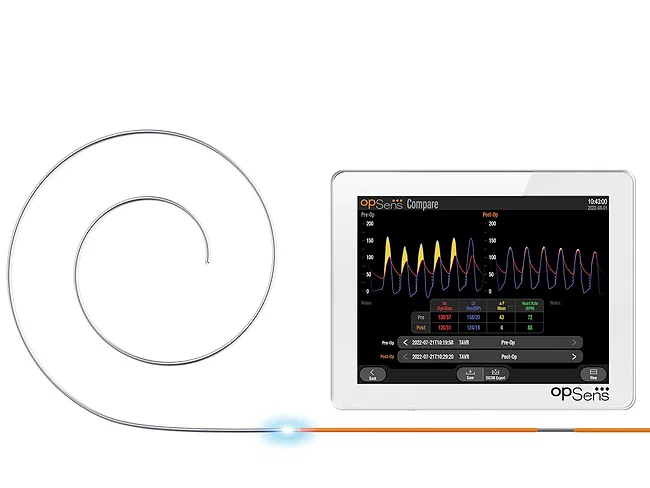
Haemonetics Corp. returned to the M&A trail with an agreement to buy Opsens Inc., a cardiology-focused medical device company, for CA$2.90 (US$2.13) per share for a total of CA$345 million (US$253 million). The all-cash transaction, its third significant purchase in five years, is expected to close by late January 2024, pending the approval of regulators and 66.66% of voting shareholders. Haemonetics expects the deal to be immediately accretive to adjusted earnings per share (EPS).
Hoping to find a niche where it can be a pacesetter in biopharma development, the Canadian government is investing CA$49 million (US$36 million) in the new Conscience Open Science Drug Discovery Network. The investment will be used to accelerate drug R&D “by leveraging Canadian strengths in artificial intelligence and employing open science principles to drive efficiencies in building Canadian innovation capacity and delivering the medicines that Canadians need,” François-Philippe Champagne, minister of Innovation, Science and Industry, said in announcing the funding Oct. 5.
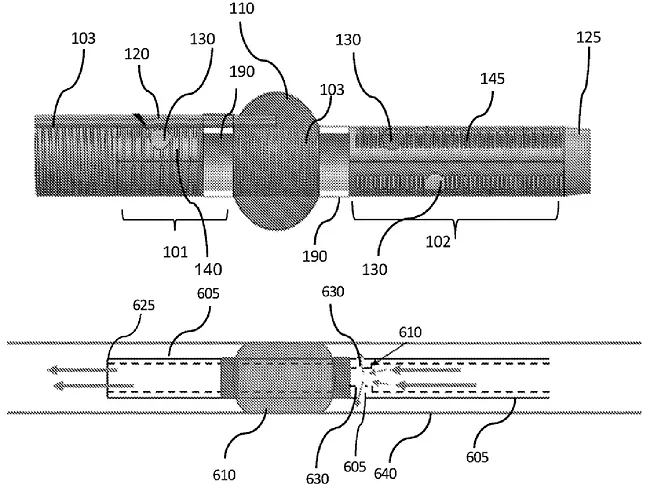
The co-founder and CEO of Total Flow Medical Ltd, Hilary Pierce, reported the filing of a patent for bidirectional flow cannulas configured and designed to replace conventional femoral arterial cannulas for extracorporeal circulation during cardiopulmonary bypass procedures and that provide an optional dedicated blood flow to the ipsilateral limb.
Aiming to provide additional utility and information to its continuous glucose monitors (CGMs), Dexcom Inc. is tying in the nutrition information provided by Rxfood Corp.’s app for customers in Canada. Clinics, hospitals, pharmacies, health plans, employers and others can make the app available to the beneficiaries and patients who use the Dexcom G6 or G7 systems, once the program is rolled out.
Pepgen Inc. has received a no objection letter from Health Canada for its clinical trial application (CTA) to initiate a phase I study of PGN-EDODM1 in patients with myotonic dystrophy type 1 (DM1). Initial data from the study are expected next year.
People who can’t verbalize their pain often end up being under medicated, and Painchek Ltd. uses artificial intelligence (AI) to identify the presence of pain even when it may not be obvious. This gives a voice to those who cannot verbalize pain, while also driving objectivity and consistency in pain assessments.
Recruitment underway for Toronto-based Vielight Inc. has commenced recruitment for a clinical trial in the U.S. to study how brain stimulation photobiomodulation (PBM) might mitigate long-term cognitive impairment from long Covid. The study intervention comes on the heels of Canadian approval of a device to treat the acute version of Covid, involving light emitting diodes (LEDs) placed inside the nasal cavity and on the chest to deliver near infrared (NIR) light to the body.
Theralase Technologies Inc. has pioneered technology said to selectively infiltrate and kill non-muscle invasive bladder cancer (NMIBC) at the cellular level. Bladder cancer generally is the 10th most common cancer in the world (6th in men and 17th in women), and gradually showing up in greater numbers in other patient groups.
High levels of bilirubin exacerbated damage to neurons in the brain caused by a stroke by binding to the TRPM2 channel, which helped regulate cell death among other processes. The research, published March 14, 2023, in Neuron, showed that blocking the binding site for bilirubin in a mouse model led to improvements in neurotoxicity suggesting some potential for the development of new stroke therapeutics.
 RSS
RSS