GSK plc is paying $950 million cash to acquire 100% of 35Pharma Inc.’s equity and pipeline, including phase II-ready candidate HS-235 for pulmonary hypertension. The acquisition agreement comes a day after GSK added two small interfering RNA assets from Nanjing, China-based Frontier Biotechnologies Inc. through a license deal reaching up to $1 billion.
GSK plc is paying $950 million cash to acquire 100% of 35Pharma Inc.’s equity and pipeline, including phase II-ready candidate HS-235 for pulmonary hypertension. The acquisition agreement comes a day after GSK added two small interfering RNA assets from Nanjing, China-based Frontier Biotechnologies Inc. through a license deal reaching up to $1 billion.
While the discussions and votes at the past two meetings of the U.S. CDC Advisory Committee for Immunization Practices (ACIP) have generated a lot of controversy and resulted in some states and medical groups issuing their own vaccine schedules, the truth is that the newly reconstituted committee’s recommendations to date are still in line with, or more generous in some instances than, global norms.
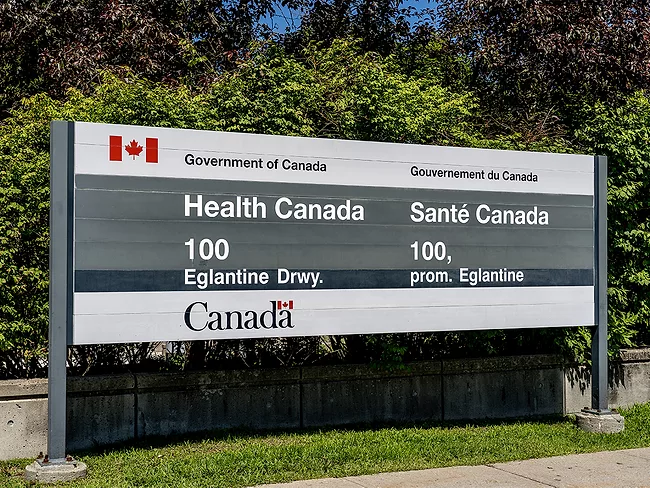
Health Canada posted a report on reduction of red tape, which includes a proposal for mutual recognition of other regulators’ inspections of device and drug manufacturing facilities.
It’s been nearly five years since the U.S. FDA, under the first Trump administration, issued a final rule and guidance on state importation plans (SIP) for importing less expensive prescription drugs from Canada. Yet only one state, Florida, has an approved SIP. In hopes of adding to that number, the FDA is enhancing its drug importation program to ease the way for states and tribes to bring prescription medicines in from Canada, at Canadian prices.
While the U.S. has historically led the global pharmaceutical industry by pursuing both continual innovation and high quality, those strengths could become areas of weakness in times of political uncertainty, according to PA Consulting expert Andy Prinz.
While the U.S. has historically led the global pharmaceutical industry by pursuing both continual innovation and high quality, those strengths could become areas of weakness in times of political uncertainty, according to PA Consulting expert Andy Prinz.
For the pharmaceutical industry caught in the crosshairs of a potential trade war, the consequences of U.S. tariffs on China or Europe remain largely speculative, although both would be detrimental, according to a Korea Biotechnology Industry Organization (KoreaBIO) issue briefing Feb. 7.
For the pharmaceutical industry caught in the crosshairs of a potential trade war, the consequences of U.S. tariffs on China or Europe remain largely speculative, although both would be detrimental, according to a Korea Biotechnology Industry Organization (KoreaBIO) issue briefing Feb. 7.
As more Asia biotechs turn to regenerative medicine to address disorders without a cure, Medipost Inc. is continuing global expansion with Cartistem, its allogeneic human umbilical cord blood-derived mesenchymal stem cell product that gained clearance in South Korea in 2012 to treat knee osteoarthritis.
 RSS
RSS