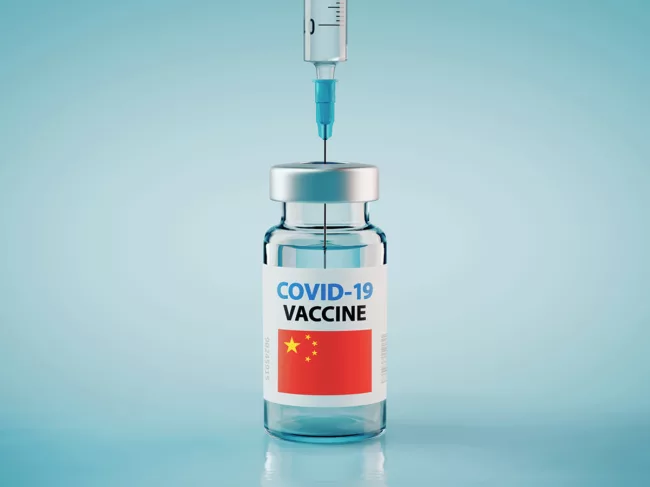
As the COVID-19 pandemic slowly starts to ease globally, efforts are already gearing up to predict the next potential pandemic. One institute researching the increasing number of diseases transmitted from animals to humans is Canada’s Vaccine and Infectious Disease Organization, part of the University of Saskatchewan. Now, together with collaborators including the Canadian government, it’s sponsoring a phase II trial of COVAC-2, a squalene-in-water adjuvanted microsphere peptide-based protein subunit vaccine that contains a portion of the SARS-CoV-2 spike protein.
Canada’s federally-funded Digital Technology Supercluster is joining with industry to invest CA$17.8 million (US$13.9 million) in an artificial intelligence (AI)-powered technologies program to advance personalized treatment for patients with cancer.
Links to electronic information may become a more common feature in Canadian prescription drug labeling, but electronic labeling is not expected to replace paper labels anytime soon.
After several delays due to COVID-19, Canada is on track to implement, within a few months, its first major changes to its Patented Medicines Regulations in more than 30 years. One change coming July 1 is a new basket of comparator countries that will be used to determine whether a drug’s Canadian price is excessive.
Much of the question of FDA regulation of artificial intelligence (AI) and machine learning (ML) is seen as revolving around changes to the statute, but that does not mean the FDA and other agencies are in wait-and-see mode. Representatives of both the FDA and Health Canada said on a March 22 webinar that guidances related to these algorithms will be posted later this year, thus opening the door to a more predictable premarket path for these products.
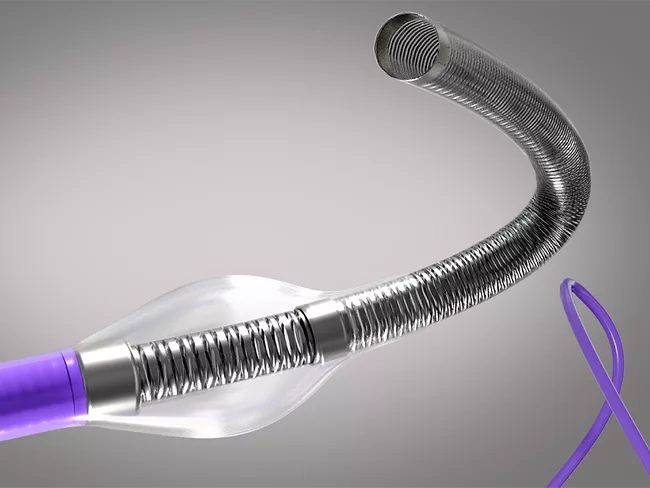
Vena Medical Inc. received Health Canada approval for a device that combines two neurovascular catheters that typically work separately to remove clots from the brains of people who have suffered stroke.
New drug and device regulations going into effect in Canada are serving as a reminder of the extended life of the COVID-19 pandemic. After two years of interim orders regulating the importation and sale of drugs and devices for COVID-19 clinical trials and the conduct of those trials, Canada is issuing long-term regulations that will incorporate most of the provisions of the temporary orders.
With the first global approval by Health Canada in hand, Medicago Inc. aims to provide 20 million doses this year of Covifenz – which itself represents another first, as a plant-originated, virus-like particle, recombinant, adjuvanted COVID-19 vaccine. “Hopefully, if all goes well, we’ll be able to do it faster than the last day of the last month” of the year, said Brian Ward, medical officer of Quebec City-based Medicago, a unit of Mitsubishi Tanabe Pharma Corp., which partnered on Covifenz with Glaxosmithkline plc (GSK).
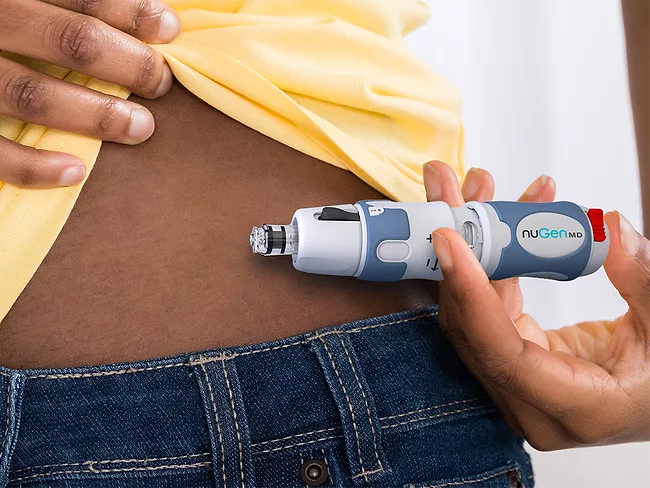
A needle-free injection system for patients with diabetes developed by Nugen Medical Devices Inc. has been approved for use in 40 countries but until now has yet to crack the North American market. Nugen said it is now gearing up for FDA and Mexican approval of the Nugen MD needle-free injector following Health Canada’s approval of the system less than a month after the Toronto med tech went public in late 2021.
With the first global approval by Health Canada in hand, Medicago Inc. aims to provide 20 million doses this year of Covifenz – which itself represents another first, as a plant-originated, virus-like particle, recombinant, adjuvanted COVID-19 vaccine. “Hopefully, if all goes well, we’ll be able to do it faster than the last day of the last month” of the year, said Brian Ward, medical officer of Quebec City-based Medicago, a unit of Mitsubishi Tanabe Pharma Corp., which partnered on Covifenz with Glaxosmithkline plc (GSK).

 RSS
RSS