As more Asia biotechs turn to regenerative medicine to address disorders without a cure, Medipost Inc. is continuing global expansion with Cartistem, its allogeneic human umbilical cord blood-derived mesenchymal stem cell product that gained clearance in South Korea in 2012 to treat knee osteoarthritis.
The U.S. FDA has approved the second hemophilia drug in nearly six months from Pfizer Inc. This one, Hympavzi (marstacimab), is for preventing or reducing bleeding in those age 12 and older with hemophilia A and B. Hympavzi heralds a couple of market boundary breakers: it’s the first and only anti-tissue factor pathway inhibitor approved in the U.S. for hemophilia A or B and the first hemophilia medicine approved in the U.S. to be administered using a pre-filled, auto-injector pen.
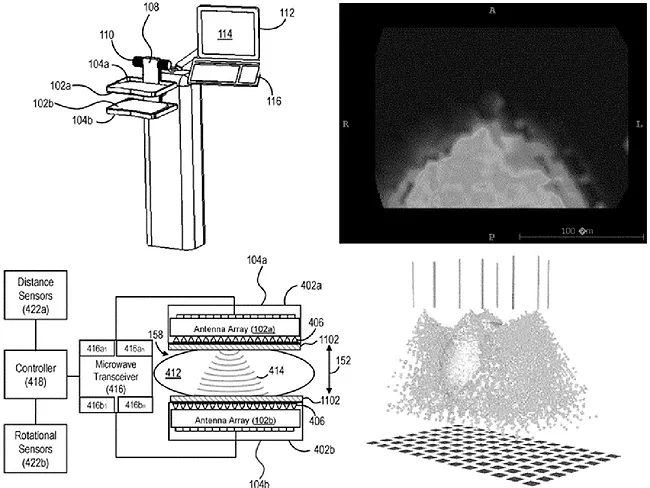
The first patenting to be published in the name of Wave View Imaging Inc. sees its co-founders file for additional protection of their imaging technology which can be used to monitor breast cancer treatment.
For the third time in as many years, Health Canada, the U.S. FDA and the UK Medicines and Health Care Products Regulatory Agency have teamed up to issue a set of recommendations for artificial intelligence used in or as a medical device.
The U.S. Trade Representative (USTR) once again called out the usual cast of characters in this year’s Special 301 Report for not playing by the rules when it comes to protecting intellectual property. And once again, industry asked the USTR to go further by placing new players on the list.
While the notion of a medical device single review program is still more aspirational than respirational, a number of nations are shifting incrementally toward mutual recognition for medical devices.
Less than a month after disclosing that its confirmatory phase III trial of Relyvrio (sodium phenylbutyrate plus taurursodiol) fell short of its endpoint, Amylyx Pharmaceuticals Inc. is withdrawing the amyotrophic lateral sclerosis (ALS) drug from the market.
The U.S. FDA’s Jan. 5 approval of Florida’s plan to import prescription drugs from Canada to take advantage of their lower price triggered ongoing communication between senior U.S. officials and Canada’s Ministry of Health over Canadian concerns about maintaining sufficient drug supplies.
With its approval Jan. 5 of Florida’s drug importation program, the U.S. FDA ended a 23-year wait for the government to implement a 2000 provision allowing certain prescription drug imports from Canada.
In an effort to standardize prescription practices across Canada, help Canadians afford their medicines and improve access to health data, the government is investing an additional $89.5 million over the next five years to establish the Canadian Drug Agency.
 RSS
RSS