The latest in a spate of draft and final guidances released recently by the U.S. FDA could help sponsors developing drugs to treat early stage solid tumor malignancies.
A quartet of companies on May 2 announced three complete response letters (CRLs) that left them scrambling to get back on the path to approval. Hutchmed Ltd.'s surufatinib met with word from the U.S. FDA that two positive phase III studies in China and a bridging study in the U.S. would not support approval of the drug for pancreatic and extra-pancreatic neuroendocrine tumors. A multi-regional clinical trial in the U.S. is needed, the regulator said, brushing aside China-only studies when seeking a U.S. approval.
Not satisfied with the findings of a World Trade Organization (WTO) dispute panel, Turkey informed the WTO April 28 that it has initiated arbitration proceedings to review those findings, which involve an EU complaint about measures Turkey employs concerning the production, importation and marketing of prescription drugs.
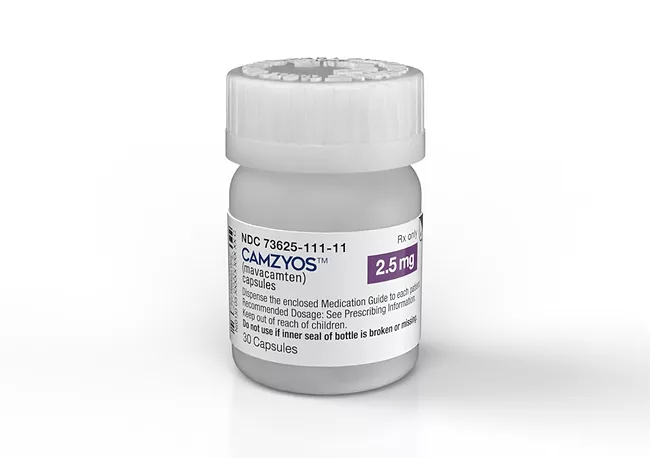
Bristol Myers Squibb Co.’s audacious $13.1 billion 2020 takeover of Myokardia Inc. appears to have paid off with U.S. FDA approval of the drug at the heart of the deal, mavacamten. The medicine, a cardiac myosin inhibitor for treating adults with obstructive hypertrophic cardiomyopathy (HCM), will be marketed under the brand name Camzyos.
In his second stint as U.S. FDA commissioner, Robert Califf discussed the challenges in leading a massive agency that has seen seven commissioners come and go over the past 10 years.
Eli Lilly and Co.'s tirzepatide, a high-profile entrant in the global anti-obesity race, hit a key milestone, becoming the first investigational medicine to deliver more than 20% weight loss on average for non-diabetics in a phase III study, said Jeff Emmick, vice president of product development at the company.
Making his first in-person appearance April 27 before the House Energy and Commerce Subcommittee on Health, U.S. Health and Human Services Secretary Xavier Becerra was prepared to answer questions about President Joe Biden’s fiscal 2023 budget that would increase HHS’ discretionary budget to $127 billion, nearly a 27% increase over the 2021 enacted level.
In the second of two hearings before the U.S. Senate Health, Education, Labor and Pensions Committee on the next iteration of the FDA drug and device user fee agreements, the focus was supposed to be on advancing regulation and innovation. But Ranking Member Richard Burr (R-N.C.) shifted the spotlight April 26 to accountability in his opening remarks and subsequent questioning.
There may be no COVID-19 vaccines authorized yet in the U.S. for the youngest children, but there’s now an approved treatment for some children who are already sick with an infection.
Recognizing that patient views about the tradeoffs of using one drug over another may differ from those of doctors, the U.S. FDA’s Office of Prescription Drug Promotion is proposing to examine those tradeoffs in an analysis involving fictitious prescription drugs for type 2 diabetes and psoriasis.
 RSS
RSS